The short version
- Darline Graham won the Republican primary runoff with 52.4% of the vote, defeating five-term Congressman Ralph Norman.
- President Trump’s endorsement and financial support from his super PAC were pivotal in overcoming concerns about Graham’s lack of legislative experience.
- Graham will face Democrat Annie Andrews in November, continuing a long streak of Republican dominance in statewide South Carolina elections.
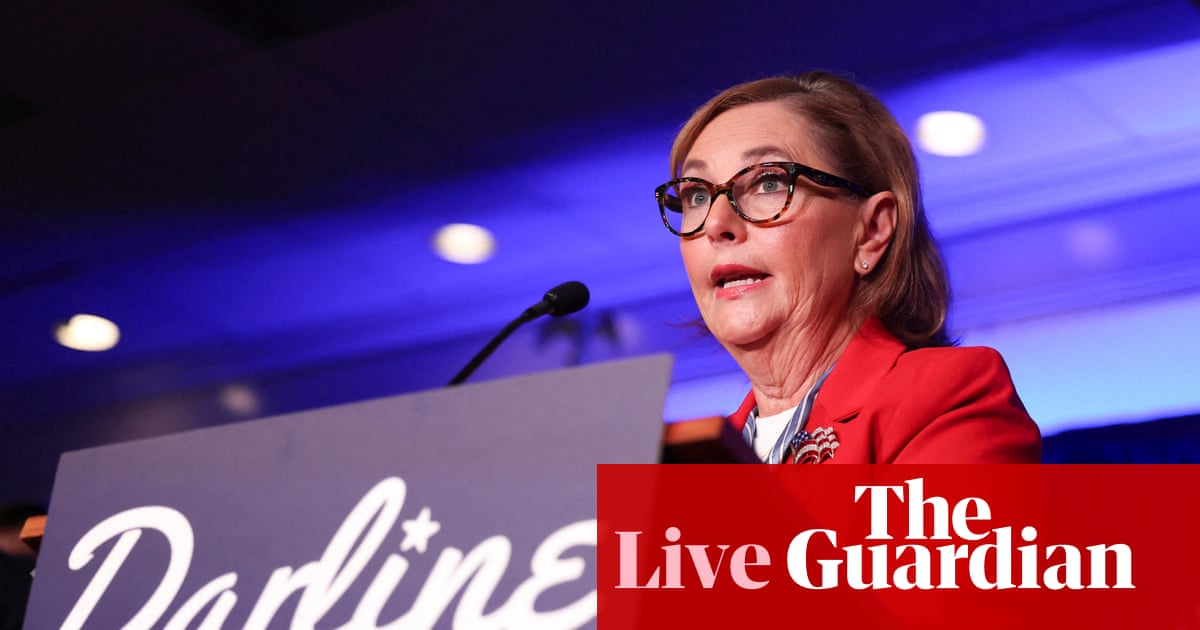
Darline Graham has secured the Republican nomination for the United States Senate seat in South Carolina, defeating five-term U.S. Representative Ralph Norman in Tuesday’s special primary runoff. With nearly all ballots counted, Graham captured 52.4 percent of the vote compared to Norman’s 47.6 percent, according to Associated Press projections. The victory solidifies her position on the general election ballot for a seat previously held by her late brother, Senator Lindsey Graham, who won the party’s primary in June before passing away the following month.
Graham was appointed to serve out the remainder of her brother’s term shortly after his death, a move recommended by President Donald Trump. The president subsequently encouraged her to run for a full term, effectively ending a chaotic scramble among Republican candidates to fill the vacancy. Graham, a career civil servant who previously led South Carolina’s Commission for the Blind, entered the race as a political novice. She acknowledged this lack of traditional experience during a recent rally, embracing criticism by stating she was guilty of not being a politician.
The primary contest featured ten candidates initially, including two congressmen and a former governor, before narrowing to a runoff between Graham and Norman. Trump’s support proved decisive in the final stretch. His Maga Inc Super PAC contributed more than $800,000 to Graham’s campaign efforts. At a rally in Myrtle Beach, Trump urged voters to treat the primary as if it were the general election, emphasizing loyalty to his leadership over other considerations. This backing helped neutralize doubts among some Republican voters regarding her preparedness for the Senate role.
Graham faced scrutiny during the brief campaign period, particularly after a debate exchange in which she admitted limited knowledge on specific national security issues such as Taiwan and the South China Sea. While some conservatives viewed this as evidence of unpreparedness, others dismissed it as media exaggeration. Her campaign strategy focused on aligning closely with Trump’s agenda rather than highlighting policy expertise. Voters who prioritized loyalty to the president appeared willing to overlook her legislative inexperience, viewing her appointment and subsequent candidacy as a direct extension of Trump’s influence.
Ralph Norman, a member of the House Freedom Caucus, positioned himself as the more conservative alternative and a true heir to the state’s MAGA movement. He is ranked by conservative groups as one of Congress’s most right-leaning members. Norman campaigned on hard-right themes, including calls for the imprisonment of former National Institutes of Health Director Anthony Fauci. His campaign also sought to portray Graham as a Washington elite creation, contrasting her with his own image as a grassroots conservative.
However, Norman faced headwinds due to his past political actions. In 2023, he endorsed former Governor Nikki Haley over Trump in the Republican presidential primary, a decision that lingered among ardent Trump supporters. Additionally, negative advertising highlighted his previous holdout stance on border security legislation, specifically regarding subsidies for electric vehicles and renewable energy. Norman defended his position, stating he would make the same choice again and did not apologize for his legislative independence.
Geographic voting patterns played a crucial role in the outcome. Norman performed strongly in northern counties, which form his political base. However, he could not overcome Graham’s dominance in Horry County and other coastal communities near Myrtle Beach. These areas have experienced significant population growth and exhibit less loyalty to the state’s traditional political establishment compared to their alignment with Trump. The surge in support from these regions provided Graham with the margin needed to win.
Graham will now face Annie Andrews, a Charleston-area pediatrician, in the November general election. Andrews confronts substantial historical challenges; no Democrat has won a statewide race in South Carolina since 2006, when Jim Rex was elected state superintendent. The upcoming contest will test whether Graham’s appointment-based legitimacy and Trump’s endorsement can translate into broader voter appeal beyond the primary electorate.
The resolution of this primary marks another significant victory for President Trump in shaping the Republican field during the midterm cycle. By installing a loyalist who defeated an established conservative figure, Trump demonstrated continued influence over party dynamics even in states with strong independent political cultures. The result underscores the growing importance of presidential endorsement in determining nominee success, particularly in special elections where institutional loyalty may outweigh traditional qualifications.
As the campaign shifts to the general election, attention will turn to whether Graham can consolidate support among moderate Republicans and independents who may have been hesitant about her lack of experience. Norman’s defeat suggests that overt conservatism without presidential backing is insufficient in this political environment. The coming months will reveal if the dynamics that propelled Graham to victory in the primary can sustain her against a Democratic challenger in a historically red state.
Sources behind this briefing
Go to the original reporting
- The Guardian World↗Darline Graham wins South Carolina GOP nomination to replace her late brother in US Senate – US politics live
- The Guardian US Politics↗South Carolina chooses Darline Graham as Republican nominee for US Senate

