The short version
- The Danish Supreme Court will hear arguments on whether evicting residents based on non-western backgrounds constitutes racial discrimination.
- International bodies including the UN and European institutions have criticized the legislation for its discriminatory impact on ethnic minorities.
- A ruling in favor of displaced tenants could force the government to abolish the controversial categorization system entirely.
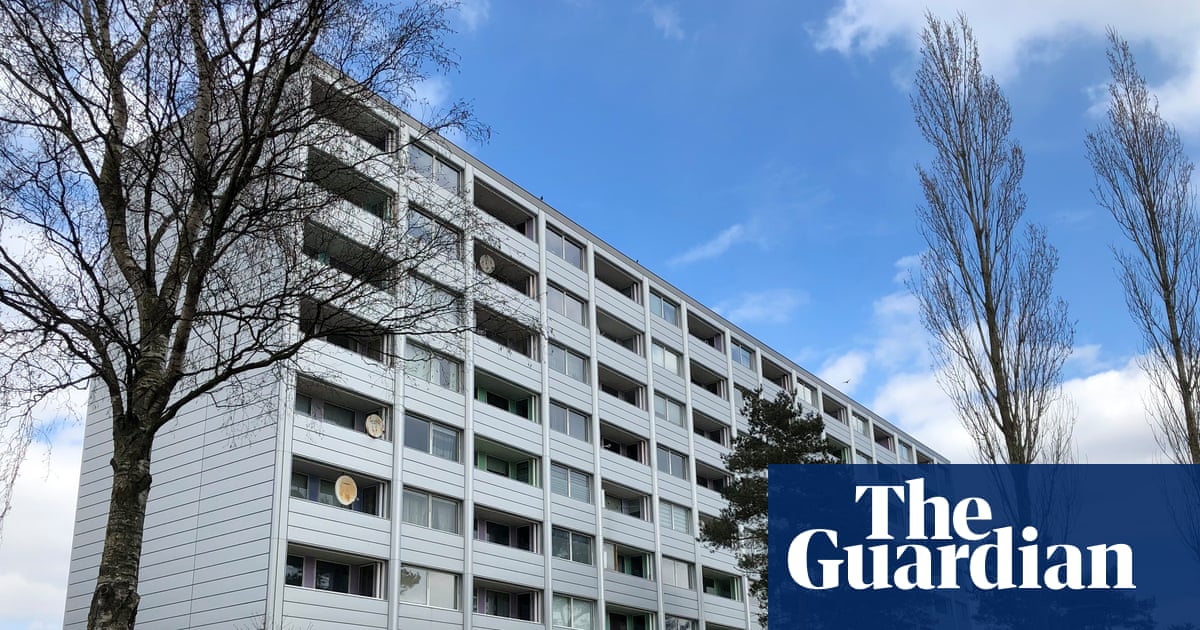
The highest judicial body in Denmark is set to issue a decisive ruling on whether the state’s practice of classifying residents by non-western backgrounds violates racial discrimination statutes. This legal challenge stems from the forced removal of tenants from a housing complex in Helsingør, located north of Copenhagen. The outcome carries significant weight for thousands of individuals who have been displaced under legislation previously known as the ghetto law, which the government now refers to as measures targeting parallel societies.
Residents evicted from the Nøjsomhed-Sydvej complex argue that their displacement was not merely a matter of housing management but a deliberate effort to reduce the population of those with non-western origins. They contend that these actions were designed to prevent the neighborhood from being officially designated as a ghetto, thereby avoiding stricter regulatory oversight. The housing association responsible for the evictions has maintained that its decisions were unrelated to ethnicity, a stance supported by government officials who insist that the classification system does not equate to racial profiling.
The controversy centers on laws requiring housing associations in specific areas to reduce their stock of non-profit housing by forty percent by 2030. These measures include selling properties, demolishing buildings, or terminating leases. The regulations specifically target neighborhoods where at least half the residents are identified as having a non-western background. Critics point out that other areas facing similar socioeconomic challenges, such as high unemployment or crime rates, are not subjected to these stringent requirements, suggesting a disparate impact based on origin rather than economic need.
International scrutiny of Denmark’s approach has intensified in recent months. In December, the European Court of Justice ruled that the legislation may be unlawful. This decision followed widespread criticism from human rights organizations, including Amnesty International, which have long opposed the policy. The European Commission Against Racism and Intolerance recently published a report stating that authorities have failed to improve their approach to using the non-western category across various administrative practices. The report highlighted a lack of positive change in how these classifications are applied.
United Nations bodies have also expressed serious concerns regarding the Danish government’s terminology and policies. The UN Committee on the Elimination of Racial Discrimination has called for an end to the use of western and non-western distinctions in law and policy. The committee warned that the parallel societies legislation has a discriminatory impact on ethnic minorities. These international pressures add urgency to the domestic legal proceedings, as the Supreme Court’s interpretation will likely influence how Denmark aligns its internal laws with international human rights standards.
The case involving Nøjsomhed-Sydvej residents is particularly significant because it may establish a precedent for other pending lawsuits. A separate group of residents from the Mjølnerparken estate in central Copenhagen filed a suit in 2020 arguing that using ethnicity to determine housing eligibility was illegal. While their case has not yet been returned to domestic courts following the European Court’s verdict, legal experts suggest that the Supreme Court’s upcoming decision could have far-reaching implications for their situation as well.
Legal analysts note that if the court determines that non-western background is linked to ethnic origin and thus covered by racial discrimination law, it would raise fundamental questions about the Danish state’s policies. Susheela Math, head of legal at the NGO Systemic Justice, indicated that such a ruling could force the government to abolish the categorization entirely. This would have ramifications across society, challenging the administrative framework that has relied on these distinctions for years.
The practical consequences of a victory for the evicted residents vary depending on the specific case. Tenants from Nøjsomhed-Sydvej may be allowed to return to their homes if they win, as the properties have not been permanently altered or sold in the same manner as other estates. However, residents of Mjølnerparken face a more difficult path to reinstatement because many of their units have already been sold. More than one thousand people were forced to move out due to the law, creating a complex logistical and legal landscape for any potential reversal.
The Danish Ministry of Children, Senior Citizens, and Housing has been contacted for comment regarding the impending ruling. The government’s position remains that the classification is unrelated to ethnicity, despite mounting evidence and expert opinion suggesting otherwise. As the Supreme Court prepares to hear arguments later this month, the decision will not only affect the immediate parties involved but also set a critical precedent for how Denmark addresses housing policy and ethnic classification in the future.
This legal battle highlights the tension between national security narratives regarding social cohesion and international human rights obligations. The term parallel societies has replaced ghetto law in official discourse, yet the underlying mechanisms of displacement remain largely unchanged. The Supreme Court’s ruling will determine whether these measures can continue under current legal frameworks or if they must be reformed to comply with anti-discrimination principles.
Sources behind this briefing
Go to the original reporting
- The Guardian US↗Denmark’s top court to rule on ‘parallel societies’ after ‘non-western’ people evicted


