The short version
- Refrigeration systems in supermarkets across seven European countries malfunctioned after hackers remotely increased thermostat settings.
- The incident mirrors a similar attack on French retailers three weeks prior and follows mysterious failures at US military bases earlier this year.
- Experts suggest state actors may be behind the disruptions to demonstrate capability, though lone-wolf hackers remain a plausible alternative.
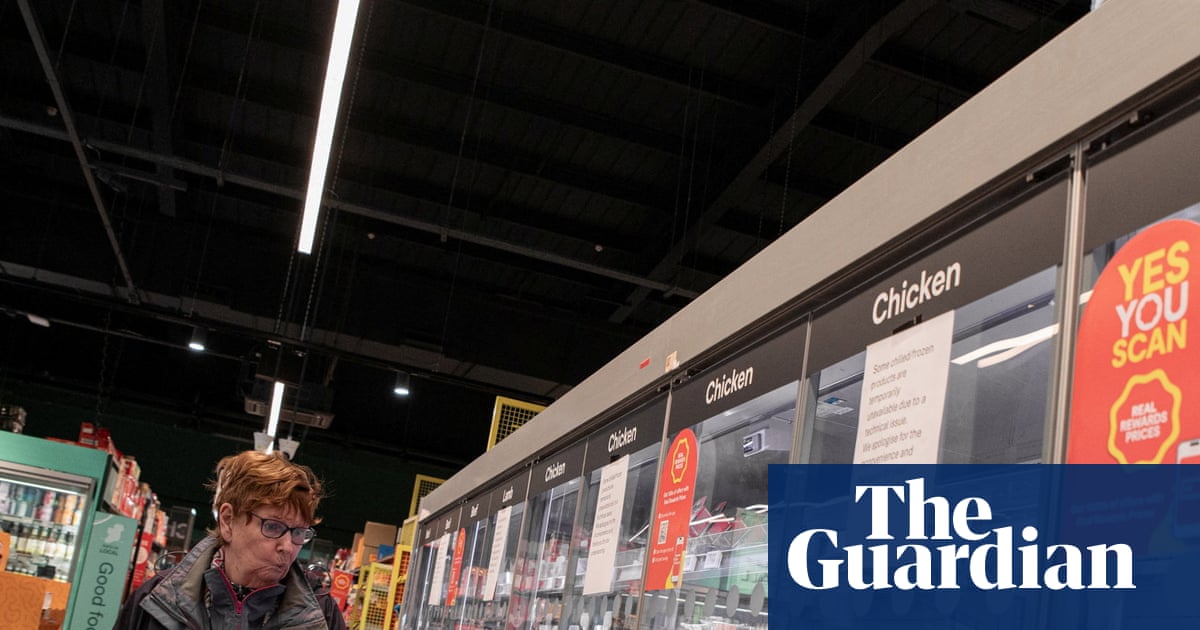
A fresh wave of suspected cyberattacks has disrupted supermarket operations across Europe, targeting the digital controls of commercial refrigerators and freezers. The incidents affected retail branches in Belgium, Sweden, Luxembourg, Finland, Ireland, and Estonia, with thermostats in some units remotely adjusted to extreme temperatures reaching 50 degrees Celsius. This development marks a second major disruption in as many weeks, following a similar breach that forced French retailers to discard large quantities of spoiled food after their cooling systems overheated due to unauthorized access.
European Union officials have condemned the actions as a deliberate effort to destabilize food supply chains and erode public trust in essential services. The attacks highlight a growing vulnerability in the Internet of Things, where everyday appliances are increasingly connected to online networks for remote management. While commercial refrigeration units are the current focus, experts warn that other household devices, including ovens, washing machines, and heating systems, share similar exposure risks if their software remains unpatched.
The pattern of these disruptions bears resemblance to mysterious equipment failures reported in early August at six US military bases, where commissary refrigerators malfunctioned under unclear circumstances. The Pentagon is currently investigating those incidents as potential cyber intrusions. If a connection exists between the European and American events, it would signal a coordinated escalation in tactics aimed at critical infrastructure rather than traditional data theft or financial extortion.
Attributing responsibility for these attacks remains difficult due to the simplicity of the methods employed. Unlike complex malware campaigns that leave digital footprints, these breaches involved direct manipulation of exposed software interfaces without leaving significant traces. Cybersecurity analysts describe the technique as akin to physically tampering with switches while wearing gloves, making forensic analysis challenging. No hacktivist groups or ransomware syndicates have claimed responsibility, which is consistent with the nature of the damage; once food spoils, monetary demands become less effective.
Two primary theories dominate expert assessments regarding the perpetrators. One scenario points to state-sponsored actors seeking to demonstrate technical capability and create psychological impact through visible disruption of daily life. Russia and China are frequently cited in such contexts, with Western intelligence agencies noting an intensifying campaign of sabotage by Moscow across Europe. Alternatively, a lone-wolf hacker acting for personal reasons could be responsible, exploiting known vulnerabilities without broader political coordination.
The vulnerability stems from the fact that many commercial refrigeration systems run on software that is rarely updated. Unlike personal computers or smartphones, where users receive frequent prompts to install security patches, industrial appliance management systems often operate for long periods without maintenance. Retailers may delay updates because the installation process requires taking equipment offline, which poses logistical challenges for businesses dealing with perishable goods. In some cases, operators may simply be unaware of the security risks associated with their connected devices.
Specific technical details have emerged regarding the affected networks. In Sweden, Coop reported that some refrigerators were connected via 4G mobile networks, increasing their exposure to external threats. ICA noted that its systems were managed by Danfoss, a Danish company whose software was implicated in the earlier French incidents. The Belgian refrigerator group Sabcobel indicated that the impact of the recent attacks might have been more severe had retailers not begun patching systems following the October breach.
The United Kingdom has so far avoided direct involvement in these specific incidents, though officials are taking preventive measures. Retailers there are collaborating with the National Cyber Security Centre to harden their refrigeration infrastructure against potential threats. Data from cybersecurity firm Forescout suggests that internet-exposed refrigeration systems are less prevalent in the UK compared to countries like France, Italy, Greece, and Belgium. While the risk is not considered negligible, experts do not view the immediate threat level as critically high for British retailers.
Looking ahead, the focus shifts to mitigating future risks through improved software maintenance and network security protocols. The incidents underscore the need for regular updates in industrial IoT devices, even when operational downtime is a concern. As cyber tactics evolve to target physical infrastructure, governments and businesses must balance convenience with security to prevent similar disruptions from undermining public confidence in essential supply chains.
Sources behind this briefing
Go to the original reporting
- The Guardian World↗Who is hacking Europe’s supermarket fridges and freezers, and why?