The short version
- Supermarket chains across four European countries reported disruptions to refrigeration units linked to apparent cyber intrusions.
- The incidents involve attackers remotely adjusting temperatures, leading to food spoilage and limited product availability in affected locations.
- This wave of attacks follows a larger breach in France last month, suggesting a coordinated campaign targeting legacy cooling systems.
Supermarket operations across several European nations faced significant disruptions on Monday after apparent cyberattacks targeted the refrigeration and freezing systems used to preserve perishable goods. The incidents affected retail locations in Sweden, Belgium, Luxembourg, and Estonia, forcing staff at some outlets to discard ruined food products. These events mark a continuation of digital intrusions targeting physical infrastructure, following a widespread case last month where attackers remotely controlled cooling units in hundreds of stores across France, causing temperatures to rise dangerously high.
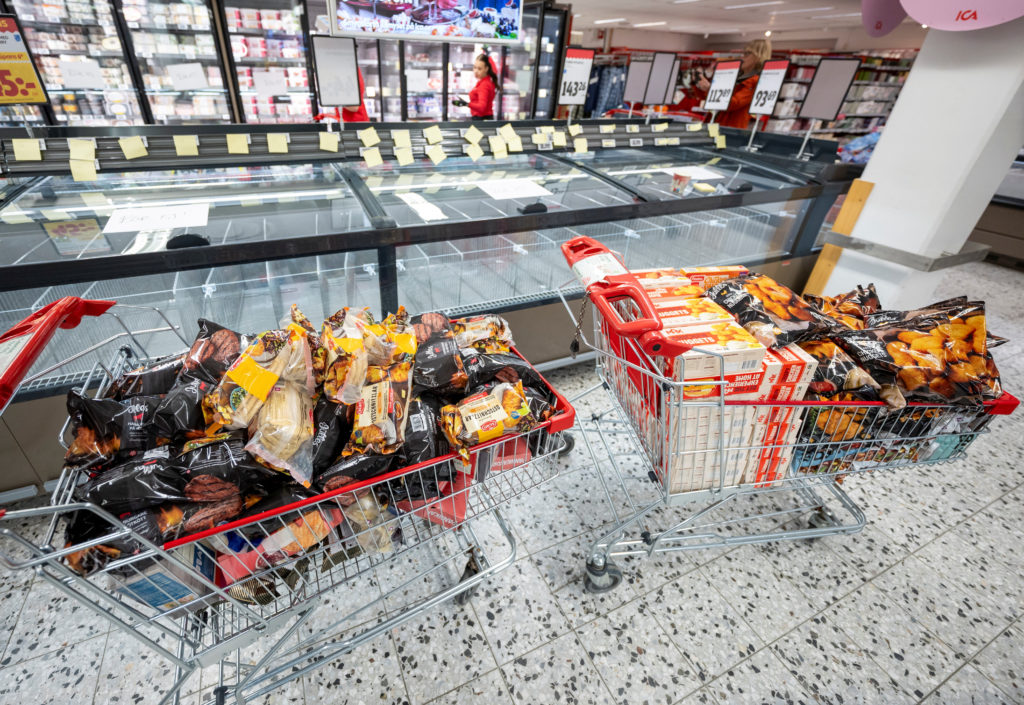
In Sweden, the ICA Group confirmed that a limited number of its locations experienced issues with their temperature control systems overnight. A spokesperson for the chain declined to specify exactly how many stores were impacted by the incident. However, one specific branch, the ICA Kvantum in Sjöbo, provided more detailed information via social media. The store reported that its freezers and refrigerators had been hacked, with settings manually altered to reach 50 degrees Celsius, or approximately 122 degrees Fahrenheit. Staff at this location stated they were actively working to dispose of items that could no longer be safely sold due to the temperature spike.
Other Swedish retailers also reported difficulties. The Coop chain indicated that six of its stores in central Sweden encountered problems with their cooling equipment. While the company acknowledged the technical issues, it did not immediately provide further details regarding the cause or the extent of food loss. These isolated reports within Sweden suggest that while the impact may be geographically dispersed, the nature of the attack remains consistent across different retail operators.
In neighboring Belgium and Luxembourg, the Delhaize supermarket chain reported an IT incident that compromised refrigeration systems in several dozen stores. The majority of these affected locations were situated in Belgium, with a smaller number impacted in Luxembourg. A company spokesperson noted that while the range of fresh and frozen products was temporarily reduced in the compromised stores, the broader supply chain remained intact. Distribution centers continued to operate normally, ensuring that deliveries to unaffected stores proceeded without interruption.
Carrefour, another major retailer operating in Belgium, described the impact as extremely limited. The company stated that a cyberattack specifically targeting refrigeration installations affected only 15 of its more than 700 stores in the country. This minimal footprint suggests that while the threat is real, the success rate of these intrusions varies significantly depending on the specific security measures and system configurations of individual retail chains.
In Estonia, the attack vector appeared to involve a third-party technology provider. A company that manufactures the cooling systems used by local retailers reported that one of its clients had been breached. Attackers gained access to a computer controlling the refrigeration unit and increased the temperature to 50 degrees Celsius. Jann Mutso, the CEO of Kitman Coldtech, declined to identify the specific store involved but emphasized that the response was swift. He stated that the issue was addressed within minutes, resulting in no significant damage to the inventory.
The Selver supermarket chain in Estonia confirmed that one of its outlets was affected by this incident. The involvement of a technology vendor highlights the complex supply chain dependencies inherent in modern retail infrastructure. When a single software or hardware provider is compromised, multiple downstream clients can be exposed to similar risks, even if their own internal security protocols are robust.
Analysts note that the previous cyberattacks in France appeared to target older, legacy systems that may lack modern security patches or monitoring capabilities. The recurrence of similar tactics across different countries suggests that threat actors are systematically identifying and exploiting vulnerabilities in aging refrigeration technology. As retailers continue to upgrade their infrastructure, the intersection of digital security and physical supply chain resilience remains a critical concern for industry leaders.
The immediate practical significance of these attacks lies in the waste of food resources and the temporary inconvenience to consumers seeking fresh products. While no major disruptions to national food supplies have been reported, the incidents underscore the fragility of interconnected systems. Retailers are likely to review their vendor security practices and accelerate the replacement of outdated cooling equipment to mitigate future risks.
What comes next involves ongoing investigations into the source of these attacks and the methods used to bypass existing security measures. Authorities in the affected countries are expected to collaborate to determine if a single group is responsible for the coordinated intrusions. Until more information is available, supermarkets will continue to monitor their systems closely, balancing operational continuity with the need to protect perishable inventory from digital threats.
Sources behind this briefing
Go to the original reporting
- PBS NewsHour↗Freezers at supermarkets in several European countries hit by apparent cyberattacks, ruining food