The short version
- Residents sleep on Havana's Malecón and other outdoor spaces to escape stifling heat during prolonged islandwide blackouts.
- The frequency of grid collapses has increased significantly since January, coinciding with reduced access to oil supplies.
- Essential services including hospitals and public transit face severe disruptions as the energy infrastructure continues to deteriorate.
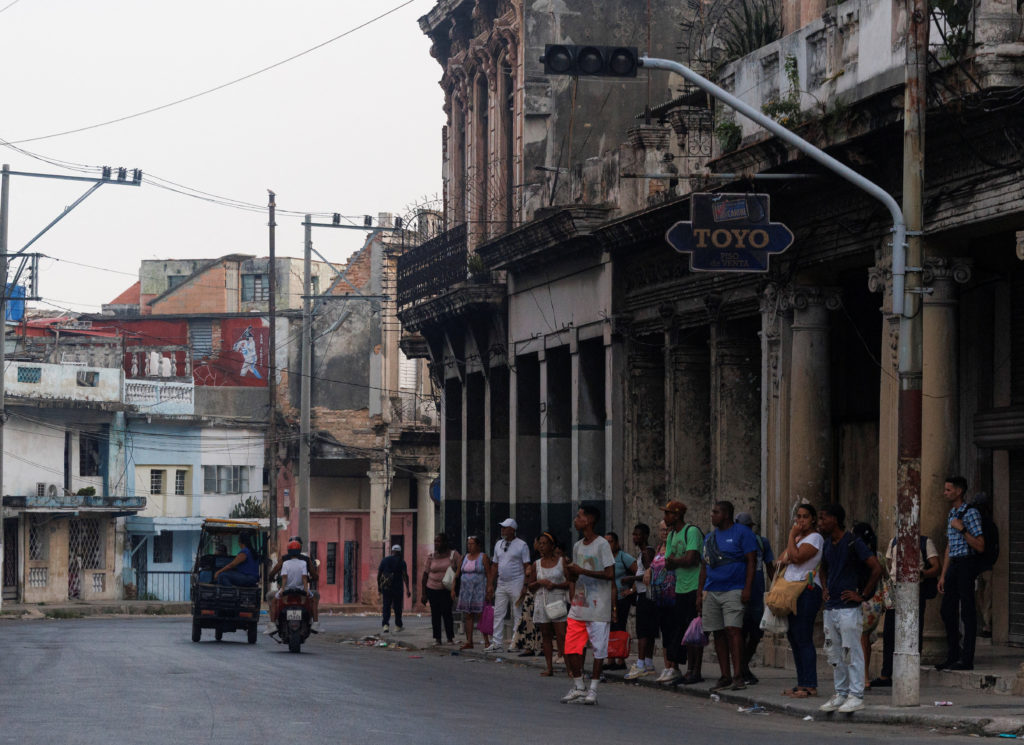
Residents in Havana and across Cuba are increasingly forced to sleep outdoors on seawalls, balconies, and porches to escape the intense summer heat during recurring power outages. The latest islandwide blackout, which began Sunday night, marks the sixth total grid collapse since January. This event follows a pattern of escalating energy failures that have left much of the country without electricity for extended periods. Authorities indicated efforts to restore power were underway on Monday, but widespread darkness persisted through the day.
The frequency of these disruptions has accelerated in recent months. Energy officials reported two nationwide grid failures in March and three in July, alongside numerous partial outages. Rolling blackouts now frequently exceed twenty hours daily. The combination of high temperatures, which reached 93 degrees Fahrenheit with humidity making it feel like 106 degrees, and the lack of cooling has created widespread sleep deprivation and discomfort among the population.
The energy crisis is linked to a significant reduction in oil availability, Cuba's primary fuel source. This shortage follows measures taken by the U.S. administration in January that effectively restricted oil access. The move has exacerbated an existing economic downturn, compounding decades of trade restrictions. As fuel reserves dwindle and the aging electrical infrastructure fails to cope with demand, the reliability of power supply has plummeted.
The impact extends beyond residential discomfort to critical public services and the economy. Public transportation in Havana has largely ceased operations due to fuel scarcity. Hospitals are struggling to maintain operations, with some facilities attempting to install solar panels to ensure basic lighting. The tourism industry, a key source of income for many, has seen a sharp decline. Residents report growing difficulty in obtaining basic goods and preserving food, contributing to a sense of hopelessness despite historical resilience.
Sources behind this briefing
Go to the original reporting
- PBS NewsHour↗Cubans sleep on Havana's seaside boulevard to seek relief from crippling blackouts and summer heat

