The short version
- Tens of thousands protested in Zagreb demanding immediate remediation of a major toxic waste site in Gospić that has remained uncleared for years.
- Health reports confirm the presence of PFAS and heavy metals in local soil and groundwater, eroding public trust in official safety assurances.
- The case exposes systemic vulnerabilities in EU waste management, with criminal networks profiting from illegal cross-border shipments.
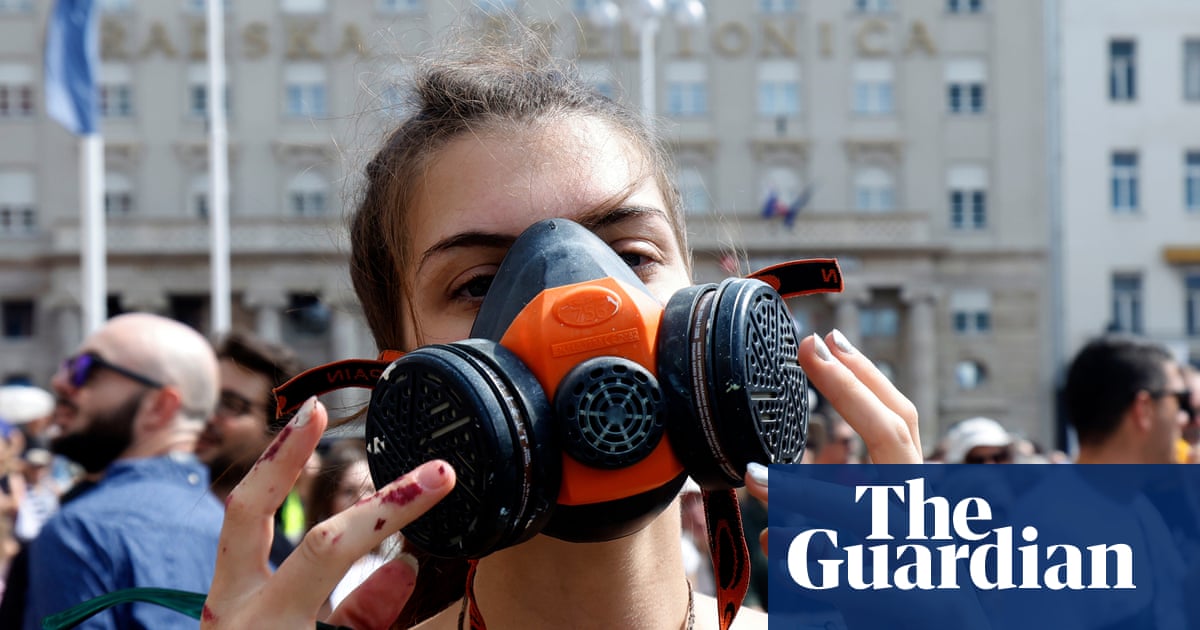
A massive demonstration in Zagreb on September 5 marked a turning point in the ongoing environmental crisis facing Gospić, a town in central Croatia’s Lika region. An estimated 40,000 people filled the capital’s streets to demand urgent government action regarding the illegal dumping of hazardous waste that has plagued their community since 2022. The protest was organized by local residents who have grown increasingly frustrated with what they perceive as a lack of accountability and delayed remediation efforts from authorities.
The core of the dispute centers on an industrial site near Gospić where approximately 35,000 tonnes of waste were illegally abandoned between 2022 and 2024. Much of this material was buried just fifty meters from residential homes. Local residents, including campaigner Željka Šikić, reported that lorries operated under cover of darkness to transport the debris. Because official oversight appeared insufficient, community members organized night watches to document the vehicles entering and exiting the site, feeling compelled to monitor environmental safety themselves.
Health concerns have intensified as scientific data reveals significant contamination. A report from the Croatian Institute of Public Health detected PFAS, known as forever chemicals due to their persistence in the environment, in groundwater samples near the dump site. Elevated levels of copper and lead were also found in the soil. Although officials have maintained that drinking water remains safe, many residents no longer trust these assurances and have switched to bottled water. The potential health risks associated with PFAS exposure, including links to various cancers, have fueled deep anxiety within the community.
Law enforcement action did occur, but it has not resolved the physical presence of the waste. In February 2025, police arrested thirteen individuals suspected of operating an environmental criminal network. Two Croatian nationals were identified as key figures who allegedly orchestrated the import of hazardous materials from Italy, Slovenia, and Germany. Investigators believe the operation generated profits exceeding €4 million by falsifying documents to classify dangerous waste as recyclable, thereby avoiding proper disposal fees.
Despite these arrests, the contaminated site remains largely untouched eighteen months later. This delay has galvanized local activism into a broader national movement. Šikić and sixteen other residents formed the 'Gospić is our home' campaign group, recruiting professionals from diverse fields to address the complex legal and environmental challenges. The group argues that their situation is not an isolated incident but rather a symptom of widespread waste mismanagement across Croatia.
The issue extends beyond national borders, reflecting significant gaps in European Union waste regulation. United Nations estimates suggest that between 15% and 30% of waste shipments within the EU are illegal. Criminal organizations exploit the high costs of legitimate disposal by using fraudulent paperwork to divert hazardous materials to cheaper, unregulated destinations. Investigations have revealed similar contamination issues in other countries, including microplastic pollution in Turkish irrigation canals linked to UK exports.
Protesters are calling for a comprehensive national waste strategy that addresses all known hotspots in Croatia, not just Gospić. They demand clear deadlines and transparent information regarding the cleanup process. While the government has initiated two public procurement procedures for waste removal, activists argue that bureaucratic steps are insufficient given the health risks involved. The campaign group plans to escalate their efforts by protesting at the European Parliament in Brussels.
The situation in Gospić highlights the tension between regulatory enforcement and actual environmental protection. Residents feel betrayed by the slow response and uncertain about the long-term impact on their property values and health. With the waste still present four years after the illegal activity began, the community is pushing for decisive action rather than further promises. The Croatian government has not yet provided a detailed timeline for remediation or responded to requests for comment regarding the current status of the cleanup operations.
Sources behind this briefing
Go to the original reporting
- The Guardian World↗How the illegal dumping of toxic waste in a Croatian town sparked national calls for clean-up

