The short version
- One death and dozens of injuries were confirmed after a severe wildfire swept through coastal Croatia, forcing the evacuation of over a thousand residents and tourists.
- The blaze destroyed homes and vehicles in minutes, with officials describing it as one of the worst in recent history due to its speed and intensity.
- Emergency services across Europe are facing unprecedented pressure as simultaneous fires rage in Greece, France, Germany, and the United Kingdom.
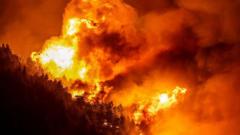
A catastrophic wildfire on Croatia’s Adriatic coast has resulted in at least one fatality and dozens of injuries, marking a significant escalation in the region’s summer fire crisis. The blaze erupted late Thursday near the village of Lokva Rogoznica and rapidly advanced toward the tourist hub of Omis, covering approximately six kilometers in a short period. Emergency services confirmed that around 1,200 people, including a mix of local residents and international visitors, were evacuated from their homes and hotels as flames engulfed pine forests and residential areas.
The speed and ferocity of the fire have drawn sharp comparisons to historical disasters in the country. Croatian officials described the event as one of the most severe blazes in recent memory, noting that gale-force winds propelled the flames at what authorities termed lightning speed. Within just four hours, the fire consumed roughly 1,000 hectares of land, leaving a trail of destruction that included burnt-out homes and vehicles. The intensity of the heat was such that some individuals were forced to abandon their cars directly in the path of the fire, creating obstacles for emergency responders attempting to navigate the zone.
Medical reports indicate that approximately 40 people sustained injuries during the incident, with a subset requiring intensive care. Fourteen individuals were hospitalized, and seven remained in life-threatening condition as of Friday afternoon. Some of the most critical patients were transported to specialist facilities in Zagreb for advanced treatment. The discovery of a body in a burnt area later on Friday confirmed the first death associated with the blaze, while search and rescue operations continued in affected zones to ensure no other victims remained trapped.
Prime Minister Andrej Plenkovic visited the scene on Friday, praising the efforts of emergency crews who managed to contain parts of the fire despite overwhelming odds. He characterized the survival of many residents as a miracle, given the rapid spread of the flames. Local fire commanders echoed these sentiments, noting that crews were occasionally forced to retreat as the fire advanced faster than they could suppress it. The situation was exacerbated by strong winds that fanned the flames, turning the sky red and filling the air with thick smoke visible from miles away.
The Croatian disaster is part of a wider pattern of extreme weather events affecting Europe this summer. Prolonged heatwaves and dry conditions have created tinderbox environments across multiple nations, straining firefighting resources to their limits. In Greece, more than 200 people were evacuated by boat from a beach resort in Agios Vasileios as wildfires raged nearby. Similarly, over 500 residents fled their homes in France’s Landes region, an area already scarred by previous fires. These simultaneous emergencies have created a logistical nightmare for emergency services trying to allocate personnel and equipment effectively.
Further north, the crisis has reached Germany and the United Kingdom. In western Germany, more than 2,000 people were evacuated from the village of Gey after a forest fire spread toward the Belgian border. Meanwhile, millions of residents in England and Wales received emergency alerts warning of a very high risk of wildfires. Firefighters in the West Midlands are battling multiple blazes, highlighting the widespread nature of the threat. The concurrent outbreaks have raised concerns about the sustainability of current emergency response capabilities across the continent.
The human toll extends beyond immediate physical injuries to include significant disruption for tourists and locals alike. Reports indicate that citizens from Czechia and Hungary were among those evacuated in Croatia, underscoring the international impact of the disaster. Emergency shelters were opened in several coastal towns to accommodate displaced individuals, but the sheer volume of evacuees has tested local infrastructure. The psychological impact on communities witnessing their homes and livelihoods destroyed is expected to be profound, with long-term recovery efforts likely to follow.
As authorities work to contain the remaining hotspots, questions remain about the adequacy of preparedness for such extreme events. The combination of climate-driven heatwaves and traditional firefighting limitations has exposed vulnerabilities in regional disaster management systems. While immediate relief efforts continue, policymakers are facing increased pressure to address the root causes of these recurring crises. The coming weeks will likely see a focus on both rebuilding affected areas and reassessing strategies for preventing future disasters in an increasingly volatile climate.
The situation remains fluid as firefighters work through the night to prevent further spread. With resources stretched thin across multiple countries, the ability to respond effectively to new outbreaks is compromised. International cooperation may become necessary to share equipment and personnel, but logistical challenges persist. For now, the priority remains saving lives and protecting property in the most severely affected areas, while the broader implications of this summer’s fire season continue to unfold.
Sources behind this briefing
Go to the original reporting
- BBC World↗Dozens injured and thousands evacuated in Croatia wildfire
- The Guardian World↗One dead, dozens injured and thousands evacuated in Croatian wildfires – as it happened

