The short version
- The Crown Prosecution Service director has apologized for failing to disclose ongoing investigations into Simon Levy during his bail hearings.
- Levy murdered two women while on bail after previously assaulting a prison officer, leading to a whole-life sentence.
- Prosecutors cite staffing shortages and busy schedules as factors in the oversight, promising increased recruitment to prevent recurrence.
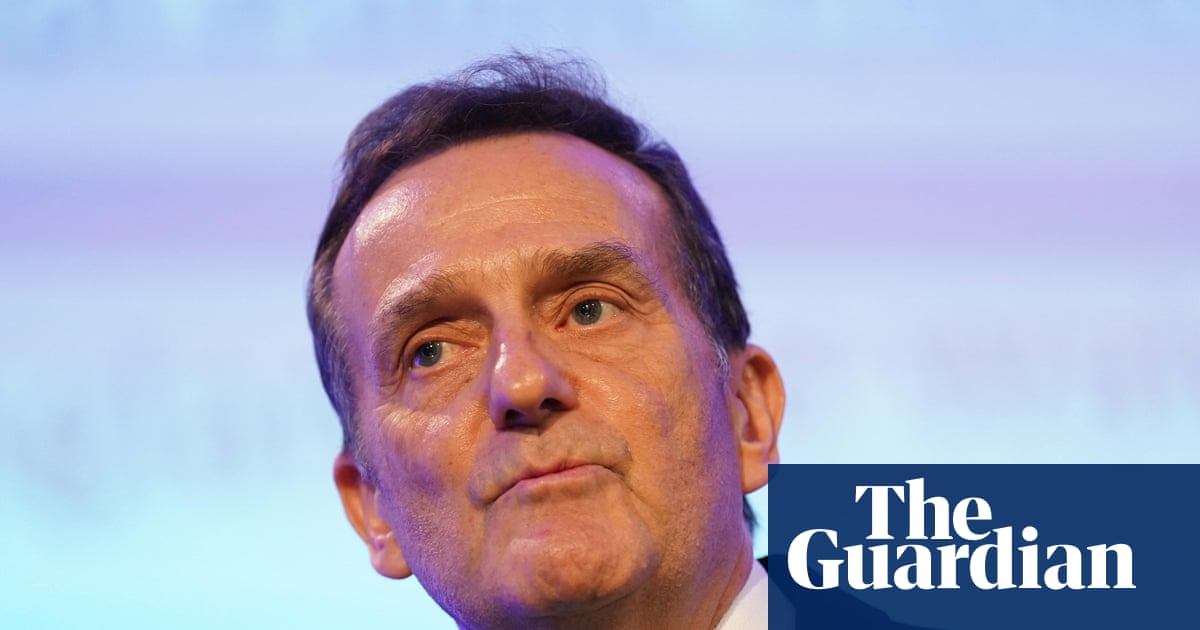
The director of the Crown Prosecution Service has issued a formal apology regarding significant procedural failures in the case of Simon Levy, a convicted sex offender who murdered two women while released on bail. Stephen Parkinson, the head of the agency responsible for prosecuting criminal cases in England and Wales, conceded that the judiciary was not provided with critical information during Levy’s release proceedings. Specifically, prosecutors failed to inform the court that Levy was under active investigation for rape and murder at the time his bail was granted.
Levy, aged 40, recently received a whole-life term for the killings of Carmenza Valencia-Trujillo and Sheryl Wilkins, as well as the rape of another victim. The timeline of these crimes highlights the severity of the oversight. Valencia-Trujillo, 53, was murdered in March 2025 while Levy was on bail and under police monitoring. Five months later, he killed Wilkins, who was found with eighty-three injuries or marks on her body. Her death occurred just one day before what would have been her fortieth birthday.
Parkinson stated that the details of these ongoing investigations were recorded within the system but were not brought to the attention of the prosecutors handling Levy’s bail hearings. He expressed deep regret, noting that the court should have possessed this information to make an informed decision regarding his release. Although Parkinson acknowledged uncertainty about whether disclosing the charges would have altered the outcome, he emphasized that transparency with the judiciary is a fundamental requirement of the prosecution service.
The two bail hearings in question took place on Saturdays following the first murder. Parkinson explained that prosecutors were managing an exceptionally heavy caseload during these sessions. This operational pressure contributed to the failure to identify and present the additional serious allegations against Levy. The admission underscores challenges within the legal system regarding resource allocation and the management of complex, high-risk cases during periods of intense demand.
Reflecting on the consequences of the oversight, Parkinson acknowledged that had Levy been remanded in custody rather than released, he would not have had the opportunity to commit the subsequent murder. This statement implicitly accepts that the failure to disclose information directly impacted public safety. The director emphasized that the primary concern now is ensuring that such lapses do not recur, rather than assigning blame across different branches of the criminal justice system.
In response to the incident, the CPS is implementing measures to strengthen its capacity. Parkinson announced that offer letters would be issued this week to recruit additional staff members. The goal is to provide prosecutors with more resources to minimize the risk of similar oversights in the future. This expansion aims to address the staffing gaps that contributed to the failure to review all available information during Levy’s critical bail hearings.
The case has drawn scrutiny from other officials, including Metropolitan Police Commissioner Sir Mark Rowley, who questioned why Levy was released despite having assaulted a female prison officer while incarcerated. That assault was not charged until October 2025, by which time Levy had attacked thirteen more women and killed two. Parkinson urged against inter-agency conflict, stating that the public expects lessons to be learned and concrete actions to be taken rather than seeing different parts of the system criticize one another.
The apology marks a significant moment of accountability for the CPS, highlighting the human cost of administrative failures in high-stakes legal proceedings. As the service moves forward with recruitment and procedural reviews, the focus remains on restoring confidence in the justice system’s ability to protect vulnerable individuals from known threats. The case serves as a stark reminder of the importance of thorough information sharing between investigative bodies and prosecutors.
Levy’s whole-life sentence ensures he will never be released, but the tragedy of Valencia-Trujillo and Wilkins cannot be undone. Their deaths stand as a grim testament to the consequences when critical intelligence is not communicated effectively within the legal framework. The CPS has committed to learning from this failure, aiming to prevent future victims by ensuring that all relevant risks are presented to the courts before decisions on bail are made.
The broader implications of this case extend beyond individual accountability, pointing to systemic issues in how risk assessments are conducted and communicated. While Parkinson’s apology addresses the immediate failure, the long-term solution lies in sustained investment in personnel and improved protocols for handling cases involving serious sexual offenses. The justice system faces the ongoing challenge of balancing operational efficiency with the rigorous scrutiny required for dangerous offenders.
Sources behind this briefing
Go to the original reporting
- The Guardian World↗CPS director apologises for failings in case of rapist-murderer Simon Levy

