The short version
- Duane Davis told detectives in 2008 that his nephew Orlando Anderson killed Tupac Shakur, a claim central to the current prosecution.
- Defense attorneys argue Davis’s prior denials and the context of the interview render his admissions unreliable and legally inadmissible.
- The trial highlights the enduring mystery surrounding the 1996 shooting, with prosecutors alleging it was retaliation for an earlier altercation.
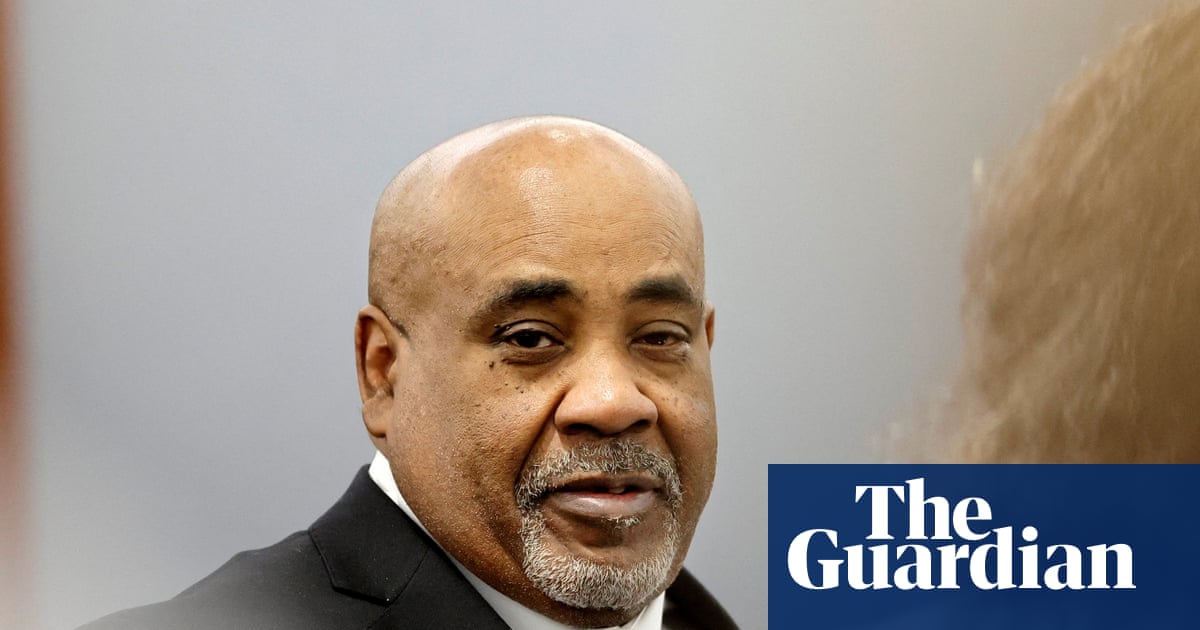
Jurors in the ongoing trial of Duane “Keffe D” Davis heard testimony Thursday regarding a pivotal 2008 interview in which the former gang leader implicated his nephew in the fatal shooting of rapper Tupac Shakur. The state’s case relies heavily on this recorded conversation, in which Davis described being present in the vehicle during the drive-by attack that killed the hip-hop star in Las Vegas nearly three decades ago. This marks the first time Davis has directly discussed his specific role in the killing with law enforcement in a manner that prosecutors argue constitutes an admission of guilt.
According to the transcript presented in court, Davis told detectives that he and his nephew, Orlando “Baby Lane” Anderson, were riding in a white Cadillac alongside two other men when they encountered Shakur’s vehicle. Davis stated that Anderson took a firearm from another passenger and opened fire on the car containing Shakur and Death Row Records executive Marion “Suge” Knight. The prosecution contends that this account is essential evidence linking Davis to the orchestration of the murder, despite his formal plea of not guilty.
The defense has vigorously challenged the credibility of these admissions. Davis’s legal team argues that the prosecution’s narrative is fabricated and that Davis was unreliable when he made these statements. They point out that Davis had previously told the Federal Bureau of Investigation that his nephew was not involved in the 1996 shooting, instead speculating that Knight or Sean “Diddy” Combs might have been responsible. The defense maintains that authorities were aware of Davis’s tendency to exaggerate or fabricate stories at the time.
A significant point of contention involves the circumstances under which the 2008 interview was conducted. Detectives testified that they had brought Davis in for questioning regarding the unsolved 1997 murder of The Notorious B.I.G., Shakur’s arch-rival, not specifically for the Tupac case. During the interview, detectives assured Davis that the conversation was confidential and that nothing he said could be used against him. This assurance is central to the defense’s argument that any subsequent use of these statements violates the spirit of the agreement.
Prosecutors, however, argue that this confidentiality agreement was nullified by Davis’s own actions in the years following the interview. They note that Davis later discussed the shooting extensively in podcast interviews and in his 2019 co-authored memoir, “Compton Street Legend.” By going public with these stories, prosecutors contend that Davis broke the implicit understanding of privacy, thereby allowing the state to use his earlier admissions as evidence in court.
The alleged motive for the killing, as presented by the prosecution, stems from a violent altercation hours before the shooting. Prosecutors allege that Shakur and his entourage attacked Anderson at the MGM Grand hotel following a Mike Tyson boxing match. Davis was present at the fight but not involved in the brawl itself. Later that evening, Davis claimed he saw Shakur hanging out of a black BMW while people shouted his name, prompting the retaliatory attack.
The courtroom atmosphere remained somber as the audio recording played. Members of Shakur’s family sat quietly, occasionally looking at the screen or down at the floor, while jurors took notes. The gravity of the moment was underscored by the fact that Anderson had been dead for a decade before Davis gave this interview, meaning the primary alleged shooter cannot testify to corroborate or refute Davis’s account.
Tupac Shakur remains one of the most influential figures in music history, with his legend growing since his death at age 25. His popularity was peaking, and his acting career was beginning to take shape when he was killed. The trial has reignited public interest in the unresolved details of his death, highlighting the complex web of gang affiliations, personal rivalries, and legal ambiguities that have persisted for over twenty years.
As the trial continues, the focus remains on whether Davis’s 2008 statements can be trusted as factual admissions or if they are merely part of a pattern of inconsistent storytelling. The outcome may hinge on how jurors weigh the detectives’ assurances of confidentiality against Davis’s later public disclosures. The case underscores the difficulties of prosecuting crimes from decades past, where memories fade, witnesses die, and legal agreements become contested terrain.
The proceedings offer a rare glimpse into the inner workings of one of hip-hop’s most notorious tragedies. While the cultural impact of Shakur’s music is undeniable, the legal resolution of his death remains elusive. The trial serves as both a judicial process and a historical reckoning, forcing a re-examination of events that have long been shrouded in speculation and conflicting narratives.
Sources behind this briefing
Go to the original reporting
- The Guardian World↗Tupac Shakur trial: ‘Keffe D’ told detectives years ago his nephew fired the shots

