The short version
- Newly disclosed court records indicate that Department of Homeland Security investigators targeted anti-ICE demonstrators, labor unions, and left-leaning advocacy organizations.
- Undercover operatives infiltrated community gatherings and private digital communications while administrative subpoenas were used to obtain financial data from non-profits.
- Critics argue the surveillance campaign represents an effort to intimidate political dissenters and suppress lawful organizing activities.
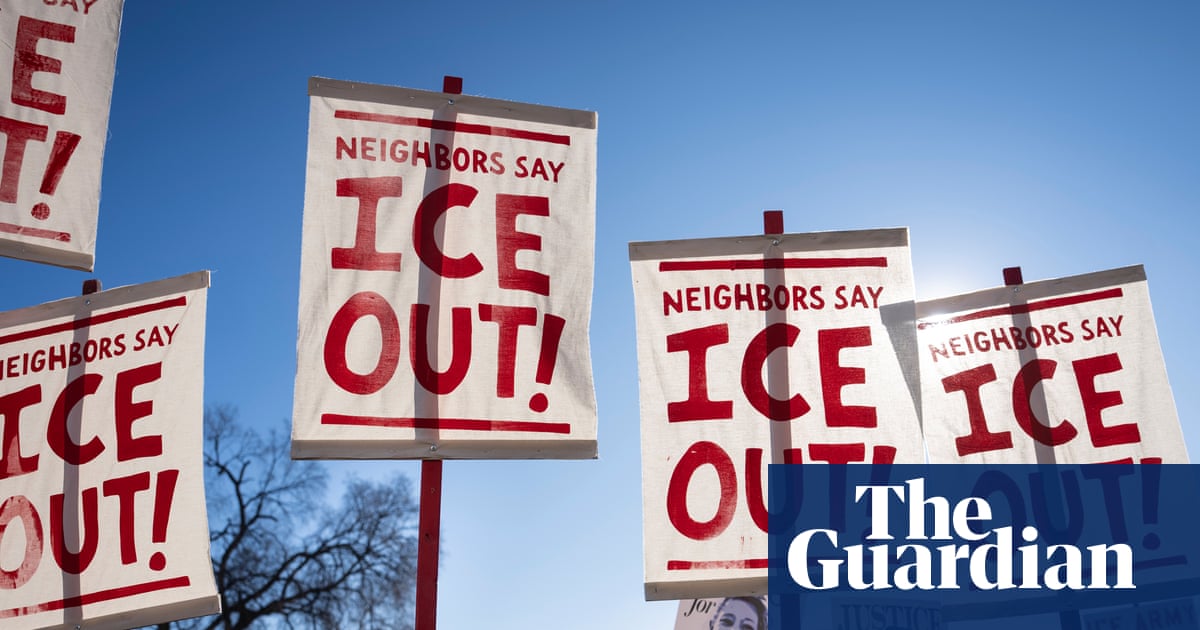
Newly unsealed court documents have exposed a broad surveillance initiative conducted by federal law enforcement against individuals and groups opposing immigration enforcement policies. The internal investigative files reveal that the Department of Homeland Security directed resources toward monitoring anti-ICE protesters, major labor unions, and various left-leaning advocacy organizations. This disclosure marks a significant development in understanding the extent to which federal agencies have engaged with domestic political activism.
The records detail specific methods employed by investigators to gather intelligence on these groups. Undercover agents were deployed to infiltrate community meetings and join private activist chat groups on encrypted messaging platforms. In some instances, operatives surreptitiously recorded audio at local events, including a session described as resistance skills training held at a public library and a physical sparring exercise conducted in a church gymnasium. During one such event, an agent reportedly dropped his recording device, highlighting the covert nature of these operations.
Beyond physical infiltration, the documents show that DHS investigators utilized administrative subpoenas to seize financial records from unions and non-profit organizations. These actions were part of a wider inquiry framed around investigating domestic terrorist financing. The scope of this financial scrutiny suggests an attempt to trace funding sources for groups deemed suspicious by federal authorities, raising questions about the criteria used to designate certain political activities as potential security threats.
Agents posing as activists actively engaged with participants during these infiltrations. Reports indicate that operatives offered assistance with direct-action protests, thereby embedding themselves within the planning stages of various demonstrations. This level of involvement goes beyond passive observation and suggests an intent to understand or potentially influence the direction of protest activities. The blending of undercover work with active participation blurs the line between intelligence gathering and operational interference.
Reaction from the targeted organizations has been swift and critical. Emilia González Avalos, executive director of Unidos MN, a Minneapolis-based social justice non-profit, characterized the surveillance as an attempt to intimidate and punish political disagreement. She emphasized that such tactics contradict the democratic principles she believes are foundational to American society. Her comments reflect a broader concern among civil liberties advocates regarding the use of national security tools against domestic political opponents.
The timing of these disclosures adds weight to ongoing debates about government overreach and the protection of First Amendment rights. While the documents do not specify whether any criminal charges resulted from this surveillance, the mere act of monitoring peaceful organizers has sparked outrage. Critics argue that labeling legitimate political dissent as potential terrorism undermines public trust in law enforcement institutions.
Legal experts note that while federal agencies have broad powers to investigate national security threats, the application of these powers to domestic political groups remains contentious. The use of administrative subpoenas to access financial records without traditional judicial oversight raises particular concerns about due process. Advocacy groups are likely to call for greater transparency and accountability in how such investigative tools are deployed.
As more details emerge from these court files, it becomes increasingly clear that the boundary between counter-terrorism efforts and political surveillance is porous. The incident underscores the need for robust safeguards to prevent the misuse of federal resources against lawful political expression. Future developments may include legislative hearings or further legal challenges aimed at curbing such practices.
The broader implications extend beyond the immediate targets of this surveillance campaign. If unchecked, similar tactics could be applied to other forms of dissent, chilling free speech and assembly rights across the country. Public scrutiny will likely intensify as citizens demand answers about who authorized these operations and what standards guided their execution.
In light of these revelations, calls for reform within federal law enforcement agencies are expected to grow louder. Lawmakers may consider introducing new regulations to limit the scope of domestic surveillance activities. Meanwhile, affected organizations continue to organize and advocate for their rights, demonstrating resilience in the face of perceived governmental intimidation.
Sources behind this briefing
Go to the original reporting
- The Guardian World↗First Thing: Court files show how federal agents spied on anti-ICE protesters | Martin Belam

