The short version
- A private investigator testified that he surveilled a Liberal minister and provided covert recording devices to a fugitive property developer and his lawyer.
- The Independent Commission Against Corruption is examining allegations that politicians accepted two million dollars in exchange for damaging the careers of officials who opposed the developer's projects.
- The investigator admitted to installing unauthorized cameras and conducting surveillance on multiple public figures, including a former building commissioner and a radio host.
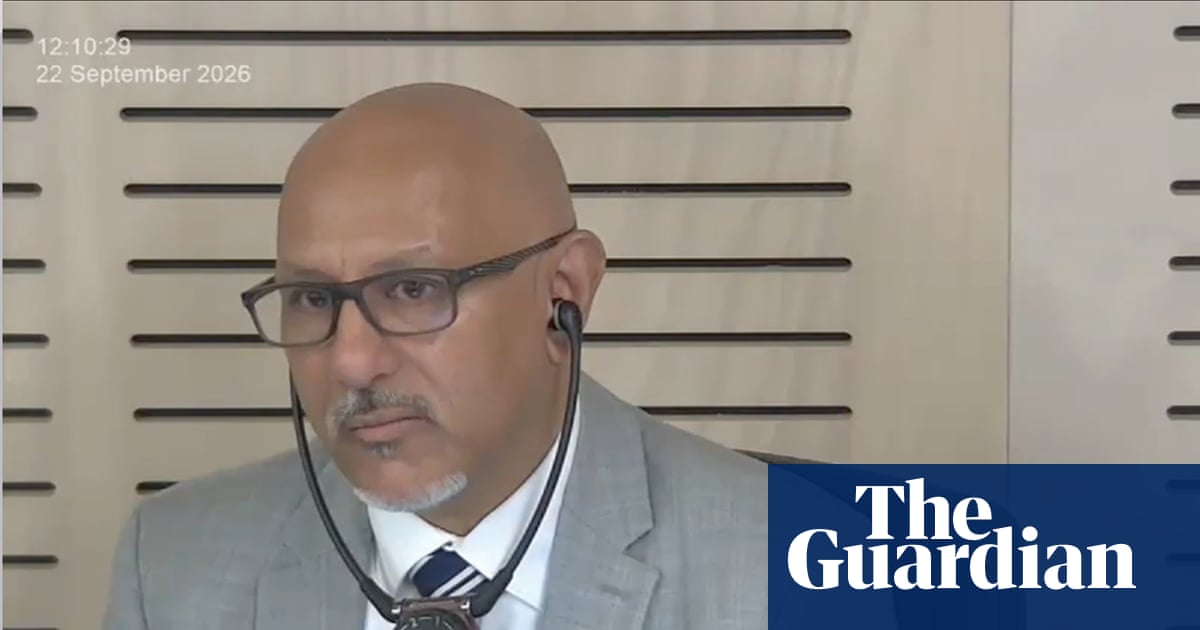
The New South Wales Independent Commission Against Corruption heard testimony from a private investigator who admitted to surveilling a Liberal minister and supplying secret recording devices to a fugitive property developer. Shane De Kauwe, a former federal police officer, told the inquiry that he acted on instructions from Sharangan Maheswaran, a lawyer for the developer Jean Nassif and his company Toplace. The testimony sheds light on the methods used to gather information on political figures who were perceived as obstacles to Nassif’s business interests.
De Kauwe described installing a static camera on an apartment building in 2022 to monitor a car park, aiming to capture images of a woman linked to former veterans minister David Elliott. He invoiced Toplace $15,000 for this work. The presiding commissioner, Fabian Gleeson, questioned De Kauwe about the legality of the installation, and the investigator acknowledged he had no authority to place the camera on the building. Elliott, who is not accused of wrongdoing, previously mocked De Kauwe’s competence during his own appearance at the commission.
The surveillance efforts extended beyond Elliott. De Kauwe testified that he was asked to investigate unsubstantiated claims that Elliott had breached pandemic restrictions in 2020. This included identifying a woman Elliott allegedly met with, information Maheswaran reportedly intended to provide to a journalist. Despite these efforts, De Kauwe stated that his surveillance of Elliott at an Anzac Day parade yielded no significant findings, noting that the minister appeared to be conducting official duties before losing sight of him.
Nassif, who fled Australia for Lebanon in 2022, remained involved in directing surveillance activities from abroad. De Kauwe reported that Nassif expressed strong animosity toward David Chandler, a former building commissioner who had scrutinized defects in Toplace apartments. The investigator provided covert recording devices to Maheswaran, Nassif, and Jeremy Greenwood, another Liberal figure under investigation. These devices included voice recorder pens and small, keychain-style recorders widely available online.
One specific incident involved Nassif requesting a second recording device because he struggled to operate the first one. He intended to use it to record a conversation with two men who allegedly demanded $5 million on Chandler’s behalf in exchange for providing occupancy certificates for Toplace developments. De Kauwe believed these men were attempting to defraud Nassif rather than acting for Chandler. He reported the incident to NSW police, though the commission noted the allegations remain unsubstantiated and Chandler faces no accusations of wrongdoing.
The broader inquiry focuses on allegations that Christian Ellis, Jeremy Greenwood, and Charles Perrottet accepted $2 million in illegal donations from Nassif or Toplace. In return, these politicians allegedly facilitated outcomes that harmed Elliott’s political career and contributed to the removal of Chandler. Greenwood and Perrottet have denied that any payments were made in exchange for political favors. Ellis has moved overseas and is not expected to testify. Nassif, appearing remotely from Beirut, insisted he was not corrupt.
De Kauwe’s relationship with Maheswaran extended beyond professional transactions. He described the lawyer as one of his best friends, noting they became close after meeting in 2019. This personal connection raised questions about legal advice De Kauwe received regarding surveillance laws. The commission learned that De Kauwe often sought guidance from Maheswaran, who was simultaneously his client, creating a potential conflict of interest in determining the legality of his investigative methods.
The investigation also touches on conduct involving Strathfield Labor councillors Maheswaran and Karen Pensabene. They are being examined for possible blackmail and breaches of the Surveillance Devices Act regarding their interactions with fellow councillor Matthew Blackmore. Blackmore reportedly reneged on a deal to resign as mayor, which had been arranged to allow another Labor councillor to complete the term. De Kauwe’s testimony provides insight into the network of surveillance and political maneuvering that characterized this period.
De Kauwe admitted to making covert recordings of a Sydney mayor after overheating what he described as a corrupt conversation in a cafe. He later expressed concern that these recordings might have been illegal. The commission is still determining the full scope of these activities and their impact on local governance. The testimony highlights the lengths to which private actors went to influence political outcomes and protect business interests during this contentious period.
As the inquiry continues, the focus remains on establishing whether illegal donations were exchanged for specific political actions. The detailed accounts of surveillance operations provide a glimpse into the covert tactics employed by those involved. While some allegations remain unsubstantiated, the testimony underscores the complex web of relationships between politicians, developers, and private investigators in New South Wales.
Sources behind this briefing
Go to the original reporting
- The Guardian World↗Private investigator surveilled Liberal minister and supplied Jean Nassif with recording devices, Icac hears

