The short version
- A coroner ruled that the UK Treasury’s handling of a disciplinary meeting materially contributed to the death of employee Chloe Moffat.
- Moffat was blindsided by anonymous complaints and denied standard procedural rights, including the ability to bring a supporter or know likely outcomes.
- Her parents are considering a wrongful death lawsuit after receiving no apology from the department, while officials must respond to prevention recommendations.
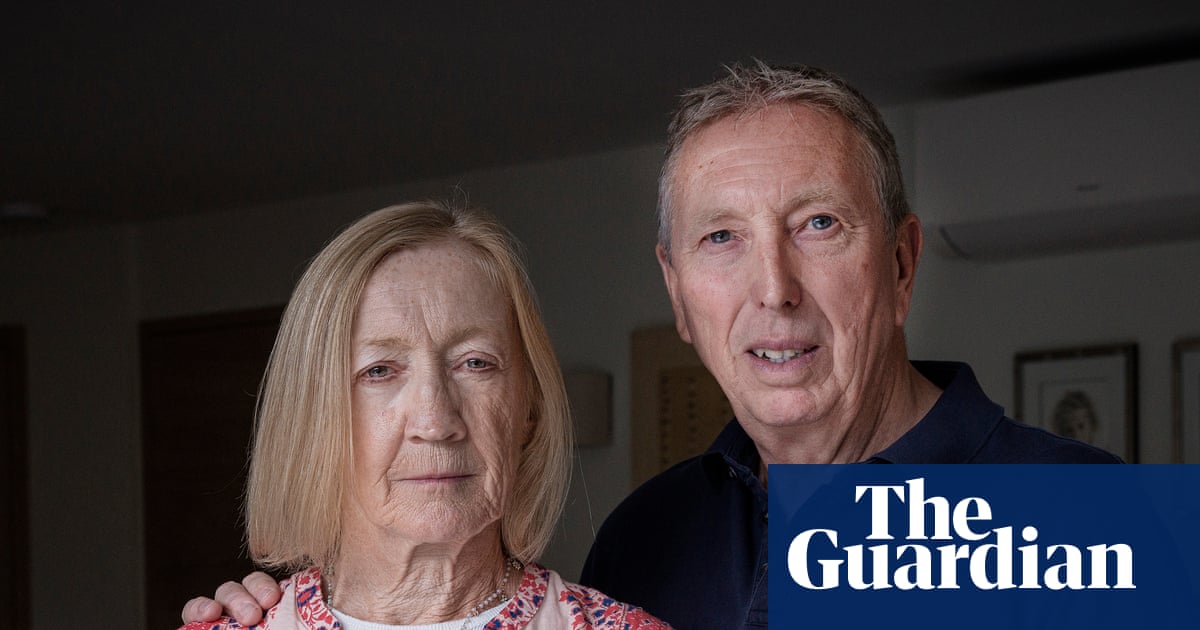
A coroner has determined that the United Kingdom’s Treasury materially contributed to the death of Chloe Moffat, a twenty-six-year-old personal assistant who took her own life in May. The ruling marks a significant departure from standard suicide classifications, as the official narrative explicitly links the department’s disciplinary procedures to the tragic outcome. This finding emerges after a grueling investigation led by Moffat’s parents, David and Anne, who spent a year examining their daughter’s final days to understand why she ended her life.
Moffat arrived at work on a Monday morning in high spirits, having recently enjoyed a weekend she described as perfect. She was planning upcoming holidays with family and hosting friends for dinner, appearing to be living what her father characterized as the best phase of her young adult life. However, that afternoon, she was summoned to an unexpected disciplinary meeting with two managers. The coroner found that this encounter left her deeply distressed and convinced she was about to lose her position, a belief that proved fatal.
The investigation revealed that Moffat was presented with anonymous allegations that she had shared confidential information at work, accusations she firmly denied. Crucially, the coroner noted that standard workplace protections were ignored during the meeting. Moffat was not informed of the likely outcome, which would have been a written warning rather than dismissal, nor was she offered the opportunity to bring a support person or advisor. Instead, she felt ambushed and unsupported, leading to a rapid psychological decline.
Her parents described a harrowing period of uncertainty following her death, during which they initially questioned whether criminal activity, debt, or substance abuse might have driven her actions. Only after meticulously reviewing emails and interviewing colleagues did they uncover the sequence of events at the Treasury. Anne Moffat noted that her daughter, a bright and confident perfectionist, was particularly vulnerable to shocking professional setbacks. The lack of procedural fairness transformed a manageable workplace issue into an insurmountable crisis.
The coroner’s narrative finding places partial blame on the Treasury for failing to adhere to basic employment rights. This decision contrasts sharply with the department’s legal strategy during the inquest, where representatives argued for the death to be recorded simply as an unexplained suicide. The parents expressed exhaustion and frustration that, two weeks after the ruling, they had received no communication from the Treasury offering condolences or an apology. They feared their daughter’s death would be dismissed without accountability.
David Moffat emphasized that Chloe was a people-pleaser who did not know her rights at work. Had she been aware of her entitlements, she might have refused to attend the meeting under those conditions. Instead, she walked out feeling destroyed and entered what her mother described as a black hole from which she never recovered. The parents highlighted the vulnerability of employees who take their jobs seriously but lack knowledge of procedural safeguards.
In response to the coroner’s report, the Treasury is now obliged to address recommendations aimed at preventing future deaths within the civil service. The coroner identified a systemic risk regarding how the department handles disciplinary cases, suggesting that similar failures could endanger other employees. The Moffats are considering filing a wrongful death lawsuit against the Treasury, viewing legal action as a potential path to securing recognition and ensuring lessons are learned.
The family’s primary goal remains honoring Chloe’s memory rather than seeking retribution alone. They have expressed interest in establishing a memorial, such as a bench, to ensure she is remembered for her personality and contributions. However, the silence from the department has fueled concerns that the case might be buried without meaningful change. The outcome of this situation will likely influence broader discussions about mental health support and procedural justice in government workplaces.
Sources behind this briefing
Go to the original reporting
- The Guardian World↗‘We fear lessons will not be learned’: Chloe Moffat’s parents on their fight to hold Treasury to account