The short version
- Turkey hosts COP31 while Australia leads formal negotiations in a compromise arrangement between the two nations.
- The United States is absent from official proceedings due to its withdrawal from the Paris Agreement, though congressional and civil society representatives are expected to attend.
- Key agenda items include non-binding roadmaps for transitioning away from fossil fuels, addressing climate finance gaps for developing nations, and resolving disputes within the IPCC.
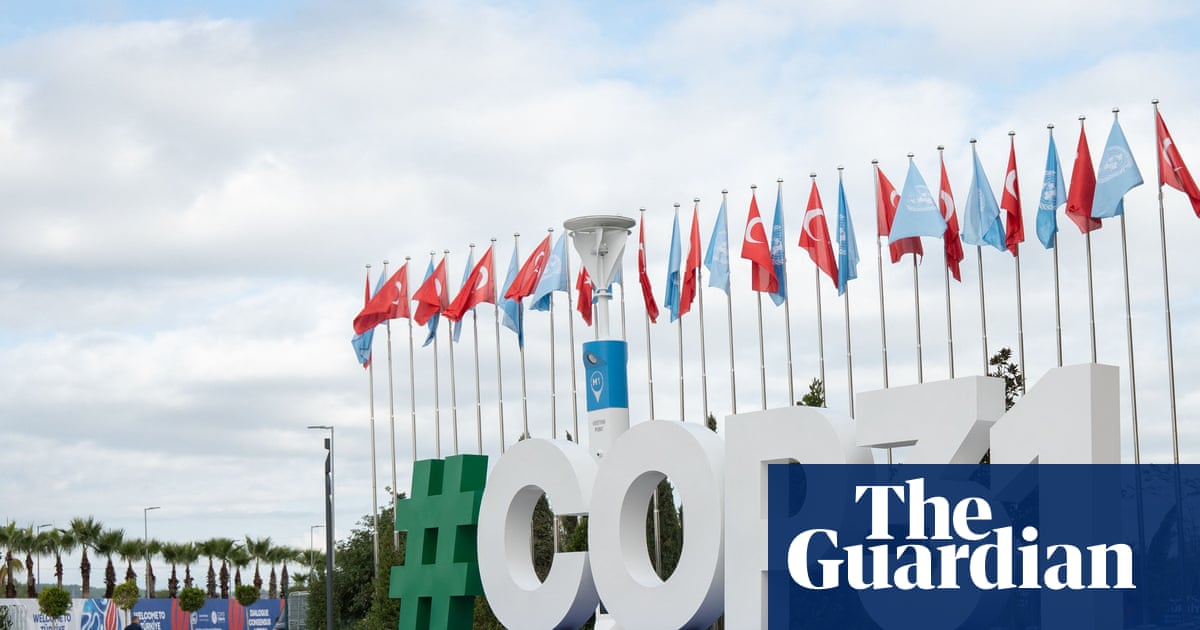
Delegates from more than 190 countries have convened in Antalya, Turkey, for the thirty-first session of the UN Climate Change Conference. The summit runs through November 20, bringing together heads of government, ministers, and high-ranking officials to address escalating global heating. This year’s gathering operates under an unusual administrative structure: while Turkey hosts the event, Australia has been designated to preside over the formal negotiations. This arrangement emerged from a compromise after both nations competed for the presidency role.
A significant departure from previous years is the absence of the United States as an official participant. President Donald Trump withdrew the nation from the 2015 Paris Agreement, leaving Washington out of the core diplomatic process. Despite this high-level void, representation from American interests will still be present. Several members of Congress, along with business leaders and civil society organizations, are expected to attend. This presence offers a counterpoint to the White House’s stated intent to bolster fossil fuel industries, even as domestic political movements in states that rejected Trump in recent midterms signal shifting priorities.
The formal negotiations led by Australia will focus on technical work programs essential for aligning global efforts with the Paris Agreement’s goal of limiting temperature rises to 1.5 degrees Celsius above pre-industrial levels. Although this threshold has already been breached, United Nations officials argue that rapid emission cuts can limit the duration of overshoot and potentially allow temperatures to return to lower levels by century’s end. Central to these discussions are mechanisms for a “just transition,” which aims to support workers dependent on fossil fuels as economies shift toward low-carbon technologies.
Turkey will manage the “action agenda,” comprising voluntary agreements that complement but do not legally bind parties to Paris goals. These initiatives cover waste reduction, circular economy practices, methane emission cuts, and food security improvements. A critical component of this agenda is the electrification of the global economy. While direct references to fossil fuels have historically been contentious at COP meetings due to opposition from producing nations, this year’s summit will address the issue through non-binding roadmaps rather than mandatory resolutions.
Brazil has introduced two key roadmaps intended to guide the global transition away from fossil fuels and halt deforestation. These plans offer concrete pathways for reducing dependence on carbon-intensive energy sources. Acceptance of these frameworks by participating nations could mark significant progress, even without legally binding deadlines. The success of such voluntary measures may depend on broader geopolitical dynamics, including the growing coalition of countries committed to phasing out fossil fuels, which expanded earlier this year in Colombia.
Climate finance remains a pressing concern for developing nations struggling to adapt to worsening extreme weather events. Recent disasters, such as those in Nepal, have highlighted the urgent need for resources dedicated to loss and damage. While Nepal has gained access to global funds for rescue and rehabilitation, many poor countries still lack the infrastructure necessary to withstand climate impacts. Compounding this challenge is a reduction in overseas aid from wealthy nations and rising interest rates that have increased debt burdens on vulnerable economies.
The summit also aims to resolve ongoing disputes within the Intergovernmental Panel on Climate Change (IPCC), which have plagued recent meetings. Addressing these scientific disagreements could strengthen the credibility of climate assessments and inform policy decisions. Additionally, the fragile geopolitical landscape, marked by inflation, rising political polarization, and conflicts such as the war in Iran, adds complexity to negotiations. High oil prices resulting from these tensions may inadvertently favor low-carbon energy economics, providing a pragmatic incentive for transition.
Despite the tense international environment, some observers note that decentralized renewable generation offers energy security benefits that appeal to nations affected by conflict. China’s shifting oil import patterns illustrate how geopolitical instability can drive interest in alternative energy sources. As COP31 progresses, the interplay between technological innovation and political will will determine whether the summit achieves meaningful advancements or settles for minimal outcomes amid global uncertainty.
Sources behind this briefing
Go to the original reporting
- The Guardian World↗Cop31: what is at stake at the UN climate summit and what can it achieve?


