The short version
- Cyberattacks caused widespread freezer failures in European supermarkets, resulting in significant food waste and supply chain disruptions.
- Simultaneous hoax bomb threats forced commercial airliners to divert or land, illustrating the psychological impact of hybrid warfare tactics.
- Public response to new government preparedness campaigns has been strong, with sharp increases in sales of emergency supplies like radios and power banks.
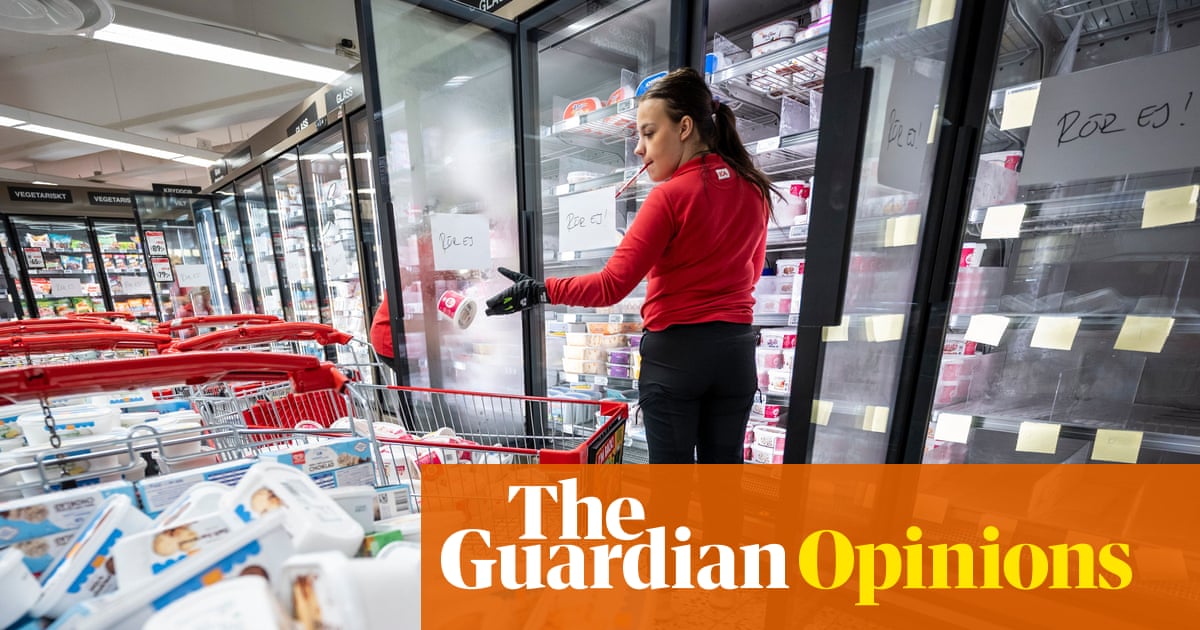
A series of coordinated disruptions targeting critical infrastructure across Europe has exposed significant vulnerabilities in the continent’s digital systems. Supermarket freezers from Finland to Ireland suddenly began heating up, with temperatures reaching levels that destroyed millions of euros worth of food. The incident was not caused by mechanical failure but by a chain of cyberattacks exploiting the internet connectivity of modern refrigeration units. This event coincided with widespread hoax bomb threats that forced commercial airliners to divert, make emergency landings, or request fighter jet escorts, creating a atmosphere of uncertainty and fear among travelers.
The attribution of these attacks remains unclear, though Russian hacktivists have claimed responsibility for some of the supermarket sabotage. Other potential actors include state-sponsored groups from Iran or North Korea, as well as unaffiliated independent hackers. The ambiguity surrounding the perpetrators is characteristic of greyzone aggression, a form of hybrid warfare designed to fall short of full-scale military conflict while still causing significant disruption and psychological destabilization. Previous incidents, such as the hacking of Transport for London by two British teenagers, demonstrate that sophisticated infrastructure can be compromised by actors with varying levels of resources and affiliation.
The vulnerability of supermarket freezers stems from their increasing integration into digital networks. While connectivity offers efficiency benefits, it also creates new entry points for malicious actors. In Sweden, some stores that were attacked had not connected their refrigeration units to centralized national retailer systems, leaving them without the protective measures available to larger chains. This incident has served as a harsh lesson for retailers who may have previously overlooked the security risks associated with IoT-enabled appliances. The attacks also targeted other critical infrastructure, including attempts to meddle with fridges at French blood banks, highlighting the broad scope of potential targets.
These events are part of a broader pattern of hostile acts against European nations over the past two years. This includes suspected arson attacks on factories, drone incursions into airspace, GPS interference around the Baltic Sea, and damage to subsea cables and pipelines. The combination of physical sabotage and cyber aggression aims to erode public confidence in the stability of essential services. By spreading panic and disrupting daily life, adversaries seek to test the resilience of European societies without triggering a direct military response. The psychological impact is as significant as the material damage, forcing governments and citizens to confront the reality of persistent low-level threats.
In response to these growing risks, there has been a renewed focus on civilian preparedness across Europe. The UK government recently launched the Be Ready campaign, which encourages citizens to stockpile emergency supplies and plan for various crises, including climate-related disasters and state-sponsored terrorism. Initially, officials hesitated to promote such measures, fearing that they might cause unnecessary panic or be met with public cynicism. However, the recent infrastructure disruptions have validated the need for these initiatives, demonstrating that complex supply chains are susceptible to sudden breakdowns.
Public reaction to preparedness campaigns has been surprisingly robust, contradicting earlier assumptions about citizen apathy. Within a week of the UK campaign’s launch, retailers reported significant spikes in sales of emergency equipment. Robert Dyas saw a 160% increase in weekly radio sales, while Maplin reported nearly double the usual sales for radios and power banks. Torch sales soared to nearly four times their typical volume. This surge in consumer activity suggests that people are taking the advice seriously and recognizing the value of being self-sufficient during emergencies. The experience of the pandemic may have also shifted public perception, illustrating how vulnerable globalized societies are to unexpected shocks.
Other European nations have long embraced comprehensive preparedness strategies. Sweden has distributed an official booklet titled In Case of Crisis or War to every household since 2018, providing clear guidance on civil defense duties, volunteer opportunities, and essential supplies. The guide also includes instructions on how to verify the authenticity of crisis warnings amidst potential disinformation campaigns. San Francisco and Tokyo have similarly maintained long-standing preparedness programs, emphasizing planning, supply gathering, and community connection. These examples show that proactive education can mitigate panic and enhance societal resilience.
The recent incidents serve as a stark reminder that hope alone is no longer a viable strategy for security. As digital systems become more pervasive, the attack surface for potential adversaries expands accordingly. Governments and businesses must continue to invest in cyber-defense training and infrastructure protection. At the same time, citizens are increasingly recognizing the importance of personal preparedness. The puddles of defrosted ice in supermarket aisles and the stress experienced by air travelers underscore the tangible consequences of these digital vulnerabilities. Moving forward, a combination of robust institutional defenses and informed public readiness will be essential to maintaining stability in an era of persistent hybrid threats.
Sources behind this briefing
Go to the original reporting
- The Guardian US↗Freezer meltdowns and airline hoaxes are a taste of things to come. Hoping for the best is no longer an option | Elisabeth Braw


