The short version
- Virgin Australia retained $75 million in unused pandemic-era travel credits after strict redemption deadlines expired.
- Ticketmaster and Ticketek faced criticism for pricing strategies that consumers viewed as exploitative during high-demand events.
- Hisense was cited for advertising energy efficiency based on a 25-hour cycle rarely used by typical households.
Australian consumer advocacy organization Choice has released its annual assessment of corporate practices, identifying several major companies for what it describes as misleading or unfair treatment of customers. The Shonky Awards, now in their twenty-first year, serve as a public critique of products and services that the group believes fail to meet reasonable standards of transparency and fairness. This year’s selections focus on financial retention by airlines, pricing mechanisms in live entertainment, and marketing claims surrounding household appliances.
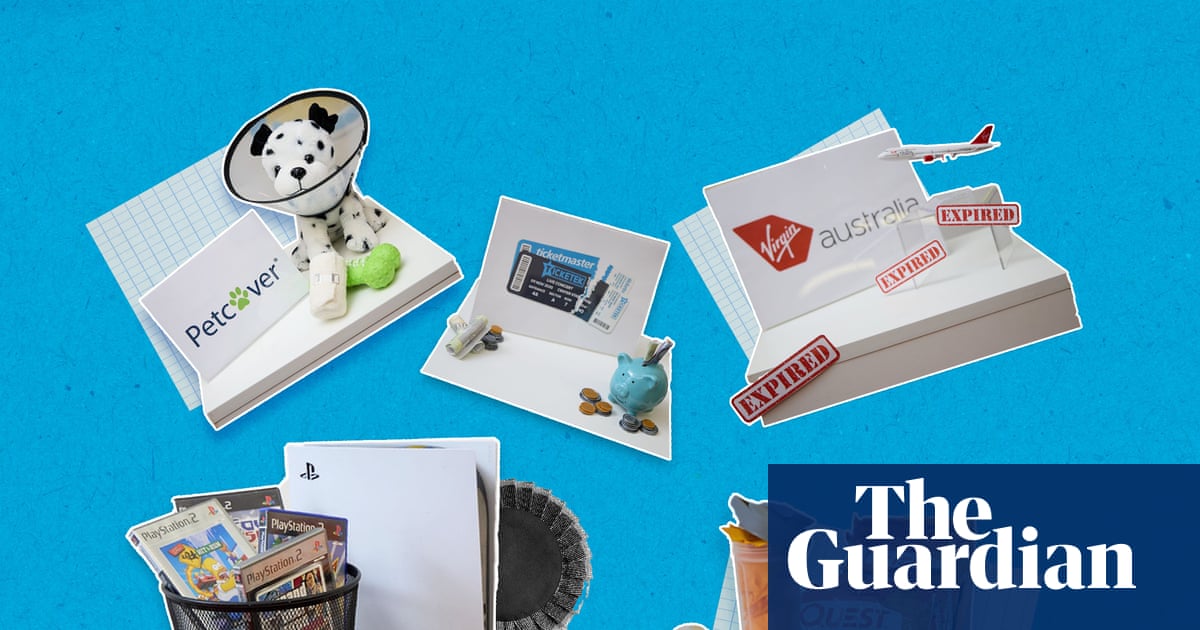
Virgin Australia received significant attention for its handling of flight credits issued during the pandemic travel restrictions between 2020 and 2022. The airline required customers to book trips by June 30 this year and use those credits for flights departing before May 27, 2027. According to Choice, these deadlines resulted in $75 million worth of unused credits reverting to the airline’s revenue. A Virgin spokesperson stated that more than 93 percent of the credits were redeemed, attributing this success to strong booking trends over the past four years and multiple deadline extensions granted between 2023 and 2025.
The ticketing industry also faced scrutiny, with both Ticketmaster and Ticketek receiving awards for pricing tactics that Choice characterized as deceptive. The group criticized the use of dynamic pricing and labels such as 'in demand' seats, arguing these methods unfairly inflate costs during a period of broader economic pressure. For instance, fans seeking tickets to a John Farnham tribute concert encountered variable pricing, with premium options reaching $1,650. Similarly, National Rugby League supporters reported paying significantly more for seats that were physically adjacent to cheaper ones.
Ticketmaster disputed the characterization of its pricing model, stating it does not employ algorithms that automatically raise prices based on real-time queue activity. The company explained that event organizers set the prices for sought-after seats to reflect market value and may adjust them during the sales period. Ticketek did not provide a comment when contacted regarding the allegations. These practices have drawn political attention, with the Albanese government having promised restrictions on dynamic pricing in 2024, though final legislation expected in 2027 does not explicitly prohibit the practice.
In the home appliance sector, Hisense was criticized for its marketing of a washer-dryer combination unit as highly energy efficient. Choice found that the advertised energy rating could only be achieved by using a specific eco cycle that lasts 13.5 hours for drying and over twelve hours for washing, totaling more than twenty-five hours. Monique Perry, chief executive officer of Choice, described this as gaming a flawed regulatory system where manufacturers select the most efficient program for testing rather than the one consumers typically use.
Hisense defended its position by stating that its energy ratings comply with Australian government regulations and the Greenhouse and Energy Minimum Standards requirements. The company emphasized that its calculations follow prescribed testing standards and established performance criteria. Despite this compliance, Choice argued that the disparity between tested efficiency and practical usage misleads buyers who expect reasonable operating times for daily laundry tasks.
Other recipients included Petcover, an insurer criticized for structuring its economy policy to reset annually, thereby classifying all prior pet health conditions as pre-existing and excluding them from coverage. Quest was also named for selling protein chips, though details regarding the specific nature of the complaint were limited in the available reporting. Choice selects nominees based on consumer feedback, aiming to highlight serious issues that warrant regulatory action or increased buyer awareness.
The organization noted that public criticism can lead to tangible corporate changes, citing a previous instance where Commonwealth Bank agreed to refund $68 million in fees after receiving an award for excessive charges against low-income customers. Perry expressed hope that the current awards would prompt Virgin Australia to return the retained funds or extend credit validity indefinitely. As new consumer protection laws approach implementation, advocates continue to push for expanded definitions of price gouging and unfair trading practices.
Sources behind this briefing
Go to the original reporting
- The Guardian World↗Choice Shonky awards 2026: From ticket sellers and Virgin flight credits to a 25-hour laundry cycle


