The short version
- Rep. Greg Steube introduced the Flafo Act to require judicial warrants for federal agencies accessing data from networked license plate readers.
- The proposal follows similar bills from Reps. Thomas Massie and Raja Krishnamoorthi, highlighting bipartisan concern over privacy and potential abuse of surveillance technology.
- State-level actions are accelerating, with Florida revoking permits for road cameras and multiple cities across 36 states canceling contracts with Flock Safety.
A new legislative effort in Washington seeks to impose strict warrant requirements on federal agencies wishing to access data from networked license plate readers. Representative Greg Steube, a Republican from Florida, introduced the Facilitating Liberty and Accountability for Flock Observations Act on Friday. The measure would prohibit federal entities from purchasing, operating, or sharing information gathered by these systems without first obtaining a judicial warrant. Additionally, the bill ties Department of Justice grants to local law enforcement agencies that adopt comparable restrictions on their own use of the technology.
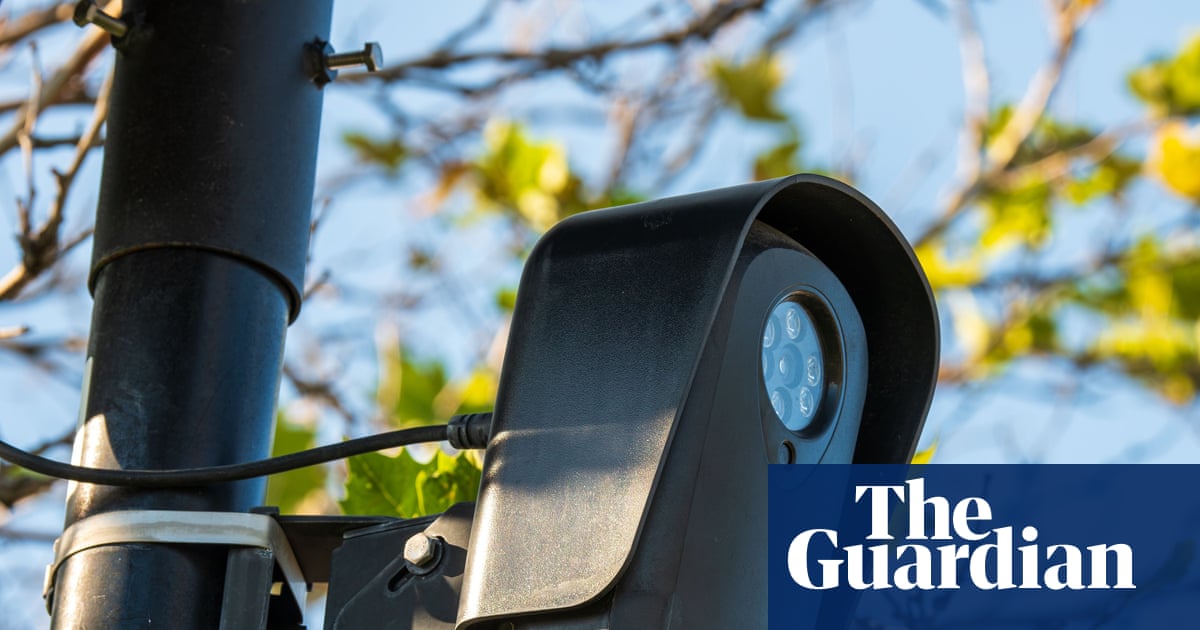
While the legislation applies broadly to any company producing such surveillance tools, it is specifically targeted at Flock Safety, an Atlanta-based firm that dominates the market. According to the company’s website, Flock operates approximately 120,000 readers across every state except Alaska, with thousands more installations planned. These devices photograph passing vehicles and log details including license plate numbers, vehicle make and model, and location data into databases accessible to police in other jurisdictions. Flock currently accounts for more than 80 percent of the market share.
Steube’s proposal is the third major bill introduced in a single month addressing this specific surveillance technology. On September 2, Representative Thomas Massie of Kentucky unveiled the Flock-Off Act, which would ban federal funds from being used to buy, install, or maintain license plate readers and biometric surveillance cameras. That bill garnered support from both parties, including California Democrat Ro Khanna and Republicans Chip Roy and Lauren Boebert. Two weeks later, Illinois Democrat Raja Krishnamoorthi and Texas Republican Michael Cloud introduced the No Flock Act, responding to reports of officers using the technology to stalk former partners. Their bill would require states to limit camera usage to five approved purposes within two fiscal years or face a 10 percent reduction in certain federal transportation funds.
The legislative momentum contrasts with comments from President Donald Trump, who expressed support for the cameras during a recent press briefing aboard Air Force One. He noted their value to law enforcement and dismissed concerns about privacy infringement. However, the cross-party interest in Capitol Hill reflects growing displeasure nationwide regarding the scope of automated surveillance. Anti-surveillance watchdog Secure Justice has tracked contract cancellations in cities across 36 states, ranging from Florida to Colorado. Santa Cruz became the first California city to drop Flock Safety in January, followed by more than a dozen other municipalities in the state.
Local governments are increasingly moving to sever ties with the company following investigations into data misuse. In Indiana, Fort Wayne and several counties voted in the past month to cancel or not renew their contracts. Similarly, Chandler, Arizona, ended its agreement after an investigation revealed that an officer had misused the system. The Institute for Justice, a libertarian law firm, reports documenting more than 200 cases of abuse stemming from automated license plate readers, including instances of stalking and wrongful stops. Steube cited investigations in Florida, Indiana, Illinois, and Wisconsin that found officers had improperly accessed these databases.
State-level regulatory actions are also accelerating ahead of federal legislation. At the beginning of September, Florida’s Department of Transportation revoked all permits allowing local police to operate license plate readers on state roads. The agency ordered existing cameras to be removed within 30 days. In Texas, Governor Greg Abbott halted state funding for the cameras just a week prior. This decision preempted an investigation by the Texas Tribune, which found that a state agency had spent at least $30 million building out the state’s Flock network.
The rapid succession of bills and local cancellations suggests a significant shift in how automated surveillance is viewed by lawmakers and the public. While proponents argue these tools are essential for modern law enforcement, critics contend they enable pervasive tracking of law-abiding citizens without sufficient oversight. Steube emphasized that Americans should not be tracked everywhere they drive without a warrant, arguing that the government has no business monitoring lawful behavior. The coming months will likely see further debate over the balance between public safety and privacy rights as these measures move through committee.
Flock Safety did not immediately respond to requests for comment regarding the new legislation or the growing number of contract cancellations. As federal agencies consider their reliance on this data, the potential impact of the Flafo Act could reshape how surveillance technology is deployed across the country. If passed, the warrant requirement would set a new standard for federal access to private sector surveillance data, potentially influencing local policies and corporate practices in the process.
The situation remains fluid as more states evaluate their own contracts and usage policies. With over 200 documented cases of abuse cited by advocacy groups, pressure is mounting on both federal and state officials to establish clearer boundaries for automated license plate reader technology. The convergence of bipartisan legislative efforts and local contract terminations indicates that the current model of widespread, unrestricted data sharing may be unsustainable in the face of growing public scrutiny.
Sources behind this briefing
Go to the original reporting
- The Guardian US↗Republican Florida congressman introduces bill requiring warrants for Flock Safety cameras

