The short version
- Seventy thousand doses of the Ervebo vaccine are being deployed to Congo, though their efficacy against the specific Bundibugyo strain remains unproven.
- The current outbreak is spreading three times faster than the historic West Africa epidemic, with a national fatality rate nearing 48 percent.
- Fifty thousand doses will protect health workers while twenty thousand are reserved for clinical trials to assess cross-protection against the rare virus variant.
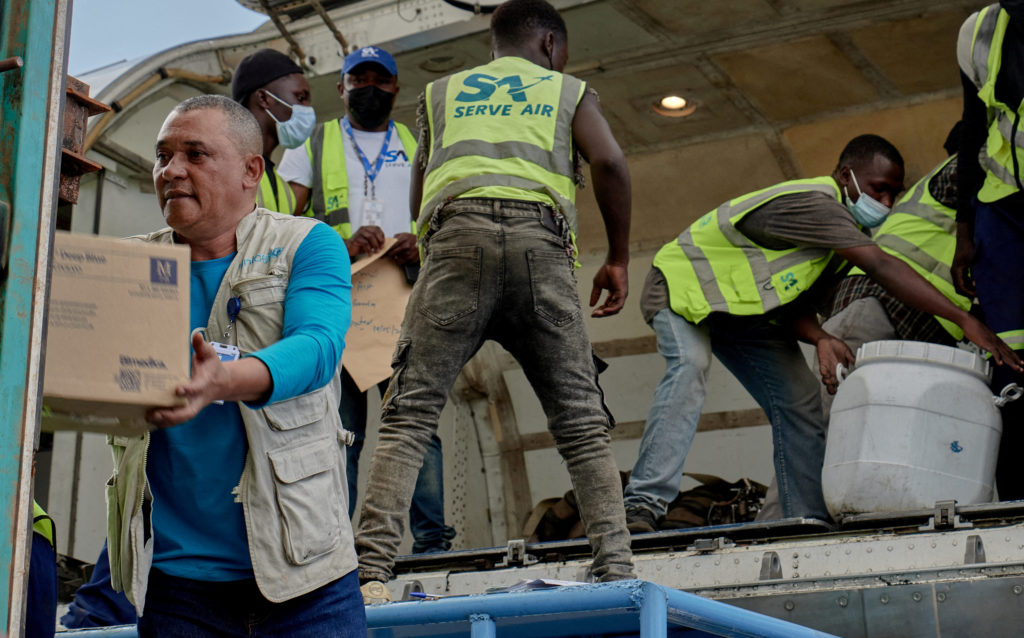
The Democratic Republic of Congo is set to receive seventy thousand doses of the Ervebo Ebola vaccine, a significant logistical move by the World Health Organization and its partners aimed at curbing what officials describe as the most rapidly expanding Ebola outbreak ever recorded. This allocation represents a critical pivot in response strategy, shifting from purely reactive containment to proactive immunization efforts despite the scientific uncertainty surrounding the specific viral strain involved.
The current crisis is driven by the Bundibugyo virus, a rare variant of the Ebola family that has claimed 2,476 lives out of 5,208 confirmed cases. Unlike previous outbreaks dominated by the Zaire ebolavirus, this iteration presents unique challenges because Ervebo is licensed specifically for the Ebola virus and not for Bundibugyo. Consequently, health authorities are proceeding with the understanding that while laboratory and animal studies suggest potential cross-protection, definitive clinical evidence remains unavailable.
To address this knowledge gap, the distribution plan includes twenty thousand doses designated for a Phase 3 clinical trial. This research component is essential for determining whether the vaccine offers meaningful protection against the Bundibugyo strain. The remaining fifty thousand doses will be administered immediately to front-line responders and healthcare workers, following recommendations from WHO experts who prioritize shielding those most exposed to the pathogen.
The speed of transmission has alarmed global health officials. Data indicates that the virus is spreading approximately three times faster than the 2014-2016 West Africa outbreak, which remains the deadliest Ebola epidemic on record with over 11,000 deaths. The current surge affects six provinces in eastern Congo, overwhelming surveillance systems and outpacing traditional contact tracing methods. Most new infections are occurring outside monitored populations, suggesting that community transmission is advancing faster than responders can identify and isolate cases.
Mortality rates vary significantly across the affected regions, reflecting disparities in access to care and the intensity of local response efforts. The overall case fatality rate stands at 47.5 percent, but this figure masks severe localized crises. In North Kivu province, where security challenges and infrastructure limitations hinder medical interventions, the fatality rate has reached as high as 70 percent. These disparities underscore the difficulty of delivering consistent quality care in conflict-affected or remote areas.
Experts estimate that the virus began circulating in the mining town of Mongbwalu as early as February, months before authorities officially declared the outbreak on May 15. This delay in recognition likely contributed to the rapid expansion of cases before containment measures could be fully implemented. The lack of approved treatments or vaccines specifically for Bundibugyo has complicated response efforts, forcing health teams to rely on experimental approaches and general supportive care.
WHO Director-General Tedros Adhanom Ghebreyesus characterized the vaccine approval as a demonstration of global solidarity, emphasizing the agency's commitment to strengthening surveillance, rapid detection, and community engagement. The International Coordinating Group on Vaccine Provision released the doses immediately following a formal request from the Congolese government, highlighting the urgency of the situation.
Moving forward, the success of this intervention will depend on both the clinical trial results and the ability of health workers to maintain safe practices while administering vaccines. If Ervebo proves effective against Bundibugyo, it could transform future outbreak responses by providing a reliable tool for ring vaccination. However, until that data is confirmed, responders must continue to navigate significant uncertainty while battling a virus that continues to spread with unprecedented velocity.
The situation in Congo serves as a stark reminder of the vulnerabilities in global health security systems. The combination of a rare viral strain, rapid transmission, and logistical challenges in eastern Congo creates a complex environment where traditional containment strategies are insufficient. The deployment of Ervebo marks a bold step forward, but its ultimate impact will be determined by how quickly it can be distributed and whether it provides the anticipated protection against this elusive variant.
Sources behind this briefing
Go to the original reporting
- PBS NewsHour↗Congo to receive 70,000 doses of Ervebo Ebola vaccine, which was effective in past outbreaks

