The short version
- Congo has initiated an emergency vaccination campaign using Ervebo to combat its deadliest Ebola outbreak, which has already caused thousands of deaths across six provinces.
- The vaccine is being deployed under a compassionate-use protocol because it targets a different virus strain than the one currently circulating in the region.
- Severe insecurity, displacement, and health worker strikes continue to complicate response efforts, raising fears that the crisis could surpass previous historical outbreaks.
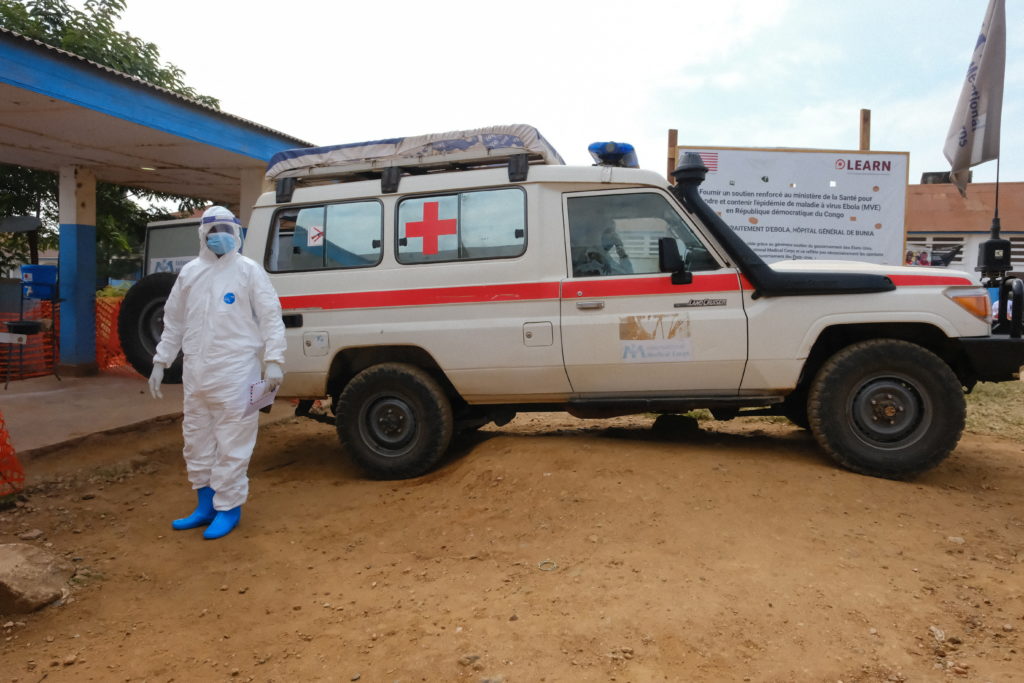
Health authorities in the Democratic Republic of Congo have officially launched a mass vaccination campaign aimed at curbing the country’s most severe Ebola outbreak on record. The initiative began in Kisangani, the capital of Tshopo province in eastern Congo, marking a critical shift in strategy as officials struggle to contain the rapid spread of the virus. Health Minister Roger Kamba announced that the primary focus of this initial phase is to protect those on the front lines of the response effort, including medical personnel and individuals who have had direct contact with infected patients.
The decision to vaccinate comes as government figures report a staggering human toll. As of late August, confirmed cases have reached 5,713, with 2,744 deaths recorded. This results in an overall case fatality rate of approximately 48 percent among those diagnosed. The outbreak has expanded beyond its initial epicenter, affecting six provinces including Ituri, North Kivu, South Kivu, Tshopo, Haut-Uele, and Bas-Uele. The geographic spread underscores the difficulty health workers face in isolating transmission chains across such a vast and volatile region.
A central complexity of this response involves the specific type of vaccine being deployed. The campaign utilizes Ervebo, a vaccine previously effective against the Zaire ebolavirus strain. However, the current outbreak is driven by the Bundibugyo variant of the Ebola virus. There is currently no approved vaccine specifically designed to protect against the Bundibugyo strain. Consequently, health officials are relying on the biological relationship between the two viruses, hoping that Ervebo will offer some level of cross-protection despite the lack of specific approval for this use case.
To navigate this regulatory and medical uncertainty, the vaccination is proceeding under a compassionate-use program. This framework allows for the deployment of medical products in serious disease situations even when they have not been formally approved for that particular indication. Approximately 50,000 doses have already arrived in Congo, with an additional 20,000 doses approved by the World Health Organization. While the majority of these supplies are intended for frontline workers, a portion will be used in a clinical trial to rigorously study whether the vaccine actually prevents illness caused by the Bundibugyo virus.
Data collection is a critical component of this emergency measure. Placide Mbala Kingebeni, director for research and innovation at the Africa CDC, emphasized that information gathered during the vaccination campaign will be essential for measuring the vaccine’s efficacy. This real-world testing aims to determine if the immune response generated by Ervebo is sufficient to block infection from the related Bundibugyo strain. The results of this effort could have significant implications for future Ebola responses in regions where multiple virus variants circulate.
The operational environment remains extremely hostile to containment efforts. The outbreak is spreading amidst conditions characterized by intense insecurity, widespread population displacement, and ongoing strikes by health workers. These factors severely limit the ability of response teams to conduct contact tracing, isolate cases, and deliver care safely. The World Health Organization has stated that the situation remains out of control, highlighting the gap between available medical tools and the logistical realities on the ground.
International observers are increasingly concerned about the trajectory of this crisis. The WHO has warned that the current outbreak is on track to surpass the 2014-2016 West Africa epidemic, which killed more than 11,000 people primarily in Guinea, Liberia, and Sierra Leone. That previous disaster remains the deadliest Ebola outbreak in history. If Congo’s current figures continue to climb at their present rate, the nation could face a humanitarian catastrophe of similar or greater magnitude, straining global health resources and regional stability.
The vaccination campaign is expected to cover 14 health zones across Tshopo, Bas-Uele, and Haut-Uele provinces. Minister Kamba has strongly urged health workers to participate in the program, noting that protecting medical staff is vital not only for their safety but also for preventing them from inadvertently carrying the virus into their own communities. As the campaign expands, the success of this unprecedented use of Ervebo will depend on both its biological effectiveness and the ability of authorities to overcome the deep-seated security and social challenges hindering the response.
Looking ahead, the immediate priority is to slow transmission while gathering evidence on the vaccine’s performance. The dual approach of emergency protection and clinical study reflects the desperate need for solutions in a crisis that defies conventional containment methods. Without significant improvements in security and community trust, even effective medical interventions may struggle to make a dent in the rising death toll. The coming weeks will provide crucial data on whether this strategy can bend the curve or if the outbreak will continue its devastating expansion.
Sources behind this briefing
Go to the original reporting
- PBS NewsHour↗Congo begins Ebola vaccinations to fight country's worst outbreak in history, health minister says

