The short version
- The World Health Organization projects the current Democratic Republic of Congo Ebola outbreak will exceed the fatalities of the historic 2014-2016 epidemic if transmission rates remain unchanged.
- Health officials face severe challenges due to regional instability, which limits medical access to only thirty percent of affected cases, and a lack of approved treatments for the rare Bundibugyo virus strain.
- New clinical trials are underway in the region to test existing antiviral therapies, while regulators in the United Kingdom have authorized initial human testing for a novel vaccine developed by Oxford University.
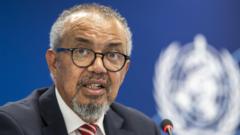
The World Health Organization has issued a stark warning regarding the escalating Ebola epidemic in the Democratic Republic of Congo, stating that the current outbreak is on a trajectory to become the deadliest in recorded history. Tedros Adhanom Ghebreyesus, the director-general of the WHO, indicated that at its present pace, the 2026 crisis would eclipse the mortality figures of the 2014-2016 outbreak, which resulted in approximately 11,000 deaths across West Africa. This assessment marks a significant shift in the global health landscape, highlighting the persistent vulnerability of Central African regions to viral hemorrhagic fevers despite decades of international response efforts.
Official data released this week confirms that the situation is deteriorating rapidly. Since the outbreak was formally declared on May 15, authorities have documented at least 4,300 confirmed cases and more than 2,000 fatalities. However, health experts caution that these figures likely underrepresent the true scale of the epidemic. Officials believe the virus began circulating at least three months prior to the official announcement, with early transmission occurring undetected in February. During this initial phase, many infections were misdiagnosed as common ailments such as malaria or typhoid fever, allowing the pathogen to spread unchecked before containment measures could be implemented.
The complexity of the current crisis is compounded by the specific strain of the virus involved. Unlike previous major outbreaks caused by the Zaire ebolavirus species, this epidemic is driven by the Bundibugyo variant. This particular strain is rare, having been responsible for only two known outbreaks in 2007 and 2012. Crucially, there are currently no approved vaccines or recognized therapeutic drugs specifically designed to treat or prevent infection by the Bundibugyo species. This lack of targeted medical countermeasures leaves health workers with fewer tools to combat the disease compared to responses in prior years.
Logistical and security challenges further hinder containment efforts. The outbreak is centered in eastern DR Congo, a region plagued by ongoing instability and conflict. Dr. Mohamed Janabi, the WHO Africa director, noted during a press conference in Bunia that health teams are currently reaching only about 30 percent of suspected cases. This limited access severely restricts the ability to isolate patients, trace contacts, and provide supportive care. Janabi described the situation as a race against time, stating that response teams are consistently lagging behind the virus's spread. The organization has set a goal to reverse the trend within three months, though officials clarify this means bringing transmission under control rather than immediately ending the outbreak.
In response to the medical gap, several research initiatives are accelerating. The UK’s Medicines and Healthcare products Regulatory Agency has granted permission for the first human trials of a vaccine targeting the Bundibugyo strain. This candidate vaccine is being developed by researchers at the University of Oxford, utilizing technology similar to that employed in the Oxford-AstraZeneca coronavirus vaccine. While three other groups are also working on different vaccine candidates, none have yet entered clinical testing phases. The approval for Oxford’s trial represents a critical step toward developing specific prophylactic measures for this rare but deadly variant.
Simultaneously, the WHO is sponsoring a separate clinical trial within the Democratic Republic of Congo to evaluate the efficacy of two existing antiviral therapies. Although these drugs were not originally designed for the Bundibugyo strain, researchers are investigating whether they can improve survival rates when administered to infected patients. This experimental approach aims to provide immediate therapeutic options while longer-term vaccine development continues. The success of these trials could offer vital insights into treating Ebola variants that lack dedicated medical interventions.
Ebola virus disease remains a severe and often fatal condition, with symptoms appearing between two and 21 days after infection. Early signs mimic those of influenza or malaria, including sudden fever, headache, and extreme fatigue. As the illness progresses, patients may experience vomiting and diarrhea, which can lead to organ failure and death. Transmission occurs through direct contact with infected bodily fluids, such as blood or vomit, making safe burial practices and protective equipment essential for preventing further spread. The similarity of early symptoms to more common diseases continues to pose a diagnostic challenge in resource-limited settings.
The path forward requires sustained international cooperation and significant investment in local health infrastructure. While the WHO aims to curb transmission within the next quarter, the combination of a novel strain, security issues, and delayed detection suggests that the crisis will persist for months. The outcome of this outbreak will likely influence future global health strategies, particularly regarding preparedness for rare viral strains and the importance of rapid diagnostic capabilities in conflict-affected regions. Monitoring the progress of the new vaccine trials and antiviral studies will be crucial in determining whether medical science can keep pace with emerging threats.
Sources behind this briefing
Go to the original reporting
- BBC World↗Ebola outbreak on track to be deadliest ever, WHO chief says

