The short version
- The Ebola outbreak in the Democratic Republic of Congo has reached a sixth province after a death was confirmed in Bas-Uele, marking a significant geographic expansion.
- Current mortality figures exceed 2,100 deaths from over 4,500 cases, with the virus spreading at a rate three times faster than the historic West Africa epidemic.
- Containment efforts are severely hampered by the lack of approved vaccines for this specific strain, unpaid medical staff strikes, and widespread community mistrust.
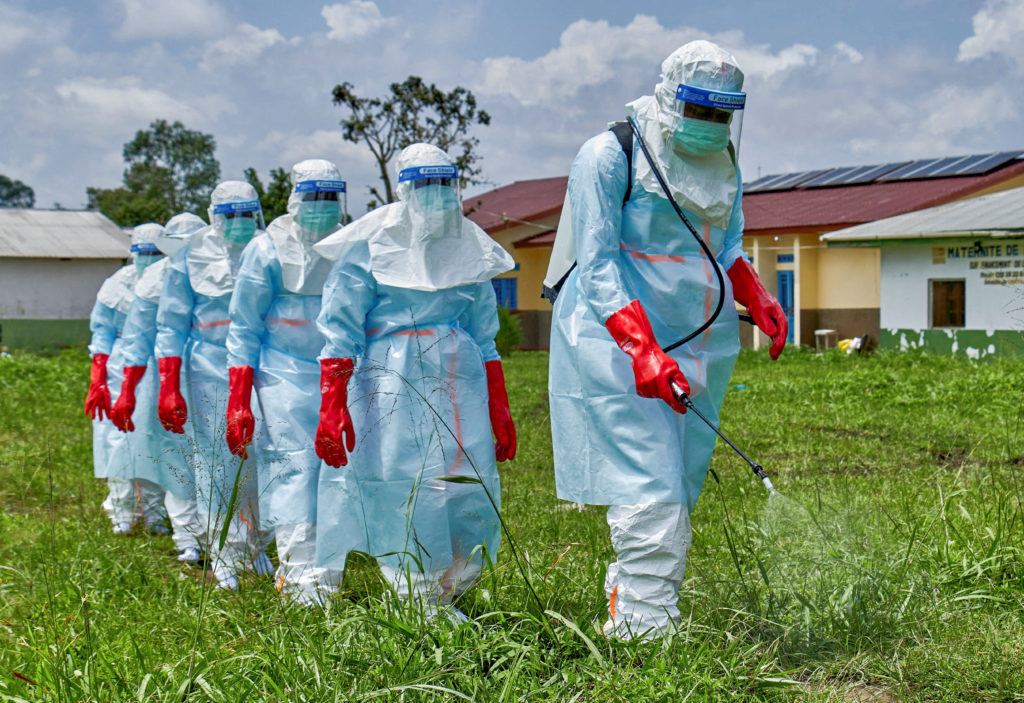
The Ebola outbreak in the Democratic Republic of Congo has expanded into a sixth province, signaling a deepening crisis that health officials warn could surpass the deadliest epidemic in recorded history. Jean Kaseya, director-general of the Africa Centres for Disease Control and Prevention, confirmed on Thursday that a fatality had been recorded in Bas-Uele province, an area previously untouched by the current wave. The deceased individual had traveled from Isiro in Haut-Uele province to Buta, the capital of Bas-Uele, where he succumbed to the disease. This movement highlights the difficulty of containing the virus across regional borders within a country already grappling with significant logistical and security challenges.
The scale of the current emergency is growing at an unprecedented pace. According to the latest government data, more than 4,500 cases have been identified, resulting in over 2,100 deaths. The World Health Organization noted that this death toll has been accumulated almost three times faster than during the 2014-2016 outbreak in West Africa, which remains the deadliest Ebola epidemic on record with more than 11,000 fatalities. With six of Congo’s 26 provinces now affected, the geographic footprint of the virus continues to widen, raising concerns about the potential for further international spread if containment measures fail.
A critical obstacle in managing this crisis is the specific strain of the virus involved. The current outbreak is caused by the Bundibugyo variant, a rare form of Ebola for which there are currently no approved vaccines or treatments. This lack of targeted medical countermeasures distinguishes the situation from previous outbreaks where existing vaccines provided some level of protection. Clinical trials for two potential treatments have only recently begun in Ituri province, the most heavily affected region, but these interventions are not yet available for widespread use. The absence of a ready-made vaccine leaves health workers and communities particularly vulnerable to rapid transmission.
The operational capacity of the health response has been severely undermined by internal conflicts within the medical sector. On Thursday, health workers at the Nizi Treatment Center in Ituri province initiated a strike, leading to the temporary closure of the facility. The staff cited three months of unpaid wages as the primary reason for their action. This labor dispute occurs at a critical juncture, reducing the number of available treatment beds and disrupting care for existing patients. The strike underscores the broader systemic issues facing Congo’s health infrastructure, where underfunding and delayed payments have eroded the morale and stability of the workforce responsible for frontline containment.
Beyond institutional failures, the response is hindered by deep-seated community resistance and misinformation. Long-traumatized populations in eastern Congo have grown skeptical of health authorities, fueled by rumors that Ebola is not real or that treatment centers are sites of harm rather than healing. Rebel groups in the region have also threatened health workers, creating a dangerous environment for contact tracing and vaccination teams. These social and security barriers make it difficult to identify and isolate new cases effectively. Health authorities report that between 60% and 70% of new infections are discovered outside of monitored contact chains, indicating that the virus is spreading through undetected community transmission.
The timeline of the outbreak also suggests that the crisis may have been underway longer than initially recognized. While the epidemic was officially declared on May 15, genetic sequencing data analyzed by the WHO indicates that the virus began circulating months earlier, likely in February. This delay in detection allowed the disease to establish a foothold before robust containment measures could be implemented. Dr. Mohamed Yakub Janabi, the WHO regional director for Africa, described the current situation as a race against time, noting that response teams are consistently lagging behind the virus’s spread. The alarming rate of transmission suggests that traditional contact tracing methods are insufficient to keep pace with community-level outbreaks.
Ebola remains a highly contagious and often fatal disease, transmitted through direct contact with bodily fluids such as blood, vomit, or semen, as well as through contaminated materials like bedding and clothing. The severity of the illness requires immediate isolation and supportive care, resources that are currently strained in affected areas. As the outbreak moves into new provinces, the risk of further escalation increases. Without significant improvements in funding for health workers, community engagement to counter misinformation, and the development of effective vaccines for the Bundibugyo strain, the trajectory of the epidemic remains uncertain and potentially catastrophic.
Looking ahead, international health organizations are urging increased support for local response efforts. The combination of a fast-spreading virus, lack of specific medical tools, and hostile operating conditions creates a complex challenge that requires coordinated action. Monitoring the movement of individuals between provinces will be crucial to preventing further geographic spread. Additionally, resolving the labor disputes among health workers is essential to restoring treatment capacity. The coming weeks will likely determine whether the outbreak can be contained within current boundaries or if it will continue to expand, potentially threatening neighboring regions and global health security.
Sources behind this briefing
Go to the original reporting
- PBS NewsHour↗Ebola outbreak has spread to new province in Congo, the head of Africa CDC says

