The short version
- Swiss officials state the infected patient contracted Ebola in Uganda, contradicting earlier Ugandan claims that she traveled to the Democratic Republic of Congo.
- Health agencies are investigating potential links to a Kenyan case, though experts caution that shared airport presence does not constitute a confirmed epidemiological connection.
- The outbreak involves the rare Bundibugyo virus strain, which lacks approved vaccines or treatments, complicating response efforts across multiple nations.
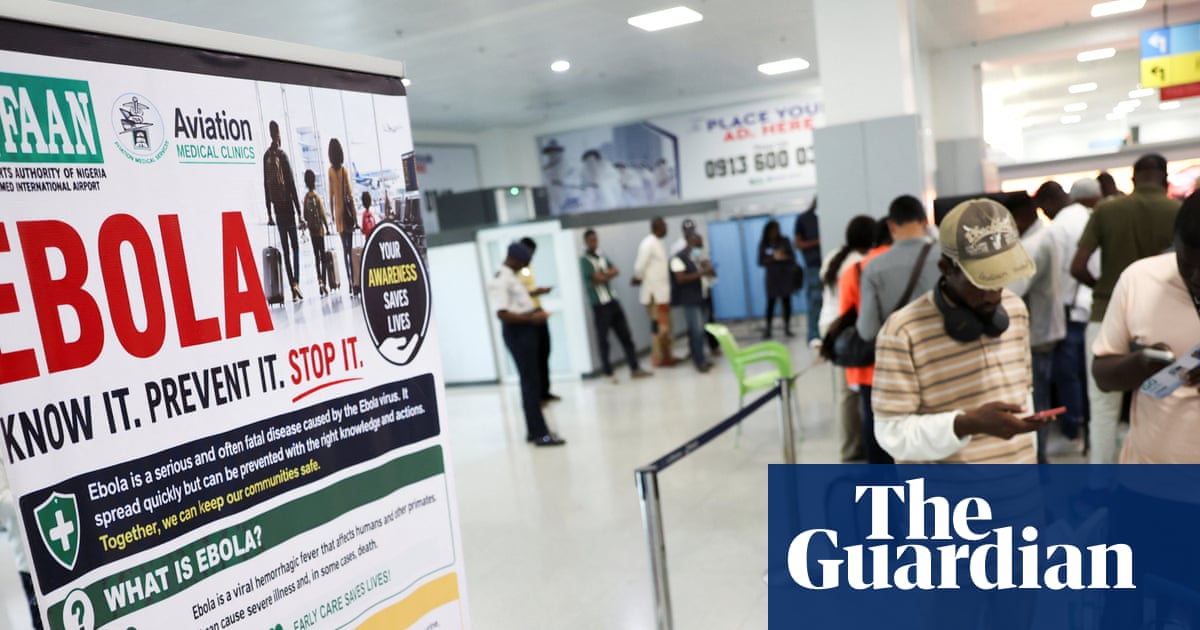
Health authorities across Africa are intensifying their investigation into how Ebola reached Nigeria, marking the first confirmed case in the country in over ten years. The emergence of the virus in Abuja has escalated concerns about the outbreak’s geographic spread, which now encompasses four African nations. Central to the current uncertainty is a significant discrepancy regarding the travel history of the infected individual, whose movements are critical for tracing the transmission chain and preventing further community spread.
The patient is identified as the Ugandan-born wife of a Swiss diplomat stationed in Nigeria. According to the Swiss foreign ministry, she did not visit the Democratic Republic of Congo, where the outbreak originated in mid-May. Instead, Swiss officials believe she contracted the virus while traveling with her husband in Uganda. This account directly contradicts previous statements from Ugandan authorities, who had indicated that the woman had traveled to eastern DR Congo before arriving in Nigeria.
The divergence in these narratives poses a serious challenge for containment strategies. If the patient did not visit DR Congo, it suggests that transmission occurred elsewhere, potentially indicating gaps in surveillance or reporting within Uganda. The Ugandan government has maintained that its territory is currently free of Ebola cases, having been declared so by the World Health Organization in August after reports of infections in May and June. A spokesperson for the Ugandan government reiterated this stance, asserting that any new cases would be made public immediately.
In response to the conflicting information, the World Health Organization has launched investigations to determine the most likely source of infection. Dr. Wessam Mankoula, head of emergency preparedness at the Africa Centres for Disease Control and Prevention, noted that investigators are examining a potential link to a case in Kenya. Both the Nigerian patient and a Kenyan patient traveled from Uganda’s Entebbe airport on October 3, raising the possibility of contact during transit.
However, epidemiological experts have expressed skepticism regarding the airport connection theory. Catherine Smallwood, a WHO Ebola incident manager based in DR Congo, stated that while a link to Kenya is possible, officials must compare symptom onset timelines to determine if infection occurred at the airport or elsewhere. Marion Koopmans, a Dutch virologist on the WHO’s emergency committee, described the airport hypothesis as speculative without evidence of shared space conducive to transmission. She emphasized that mere presence in a large public venue like an airport does not meet standard criteria for establishing an epidemiological link.
The stakes are heightened by the nature of the virus involved. The current outbreak is driven by the Bundibugyo strain, a rare variant of Ebola for which there are no approved vaccines or treatments. This lack of medical countermeasures makes rapid identification of transmission routes even more critical. The outbreak began in DR Congo on May 15 and has since infected more than 9,500 people, with nearly half of those cases resulting in death. It stands as the largest and deadliest Ebola outbreak in DR Congo’s history.
Globally, this crisis is second only to the 2014-2016 West Africa epidemic, which infected over 28,600 individuals and killed more than 11,000. The current situation underscores the vulnerability of regional health systems to cross-border transmission. Melaku Yirga, vice-president for Africa at Prosper Global, emphasized that the confirmation of cases in Kenya and Nigeria highlights the urgent need for coordinated international response. He called for speed in information sharing across borders and adequate resource allocation for frontline health workers.
In Nigeria, Health Minister Muhammad Ali Pate has assured the public that the case remains contained. Contact tracing efforts are ongoing to identify anyone who may have come into contact with the patient before her symptoms appeared. The goal is to prevent the virus from spreading beyond the immediate circle of contacts and into the broader community. As investigations continue, the resolution of the travel history discrepancy will be pivotal in understanding how the virus moved across borders and what measures are necessary to halt its progress.
The situation illustrates the complexities of managing infectious disease outbreaks in an interconnected region. Discrepancies in reporting can delay effective response and fuel public anxiety. As health agencies work to reconcile the differing accounts from Swiss, Ugandan, and Kenyan officials, the focus remains on rigorous contact tracing and transparent communication. The outcome of this investigation will inform future protocols for monitoring travel-related transmission risks during similar health emergencies.
Sources behind this briefing
Go to the original reporting
- The Guardian US↗Ebola patient in Nigeria did not visit DR Congo, escalating concern over spread of virus