The short version
- Opposition to AI data centers has become a unifying issue for voters in midterm elections, with polling showing support against them rising to 61%.
- Critics argue the facilities are loud, decrease property values, and consume excessive energy and water resources.
- Politicians from both parties, including Texas Governor Greg Abbott, are adjusting policies in response to growing public anger.
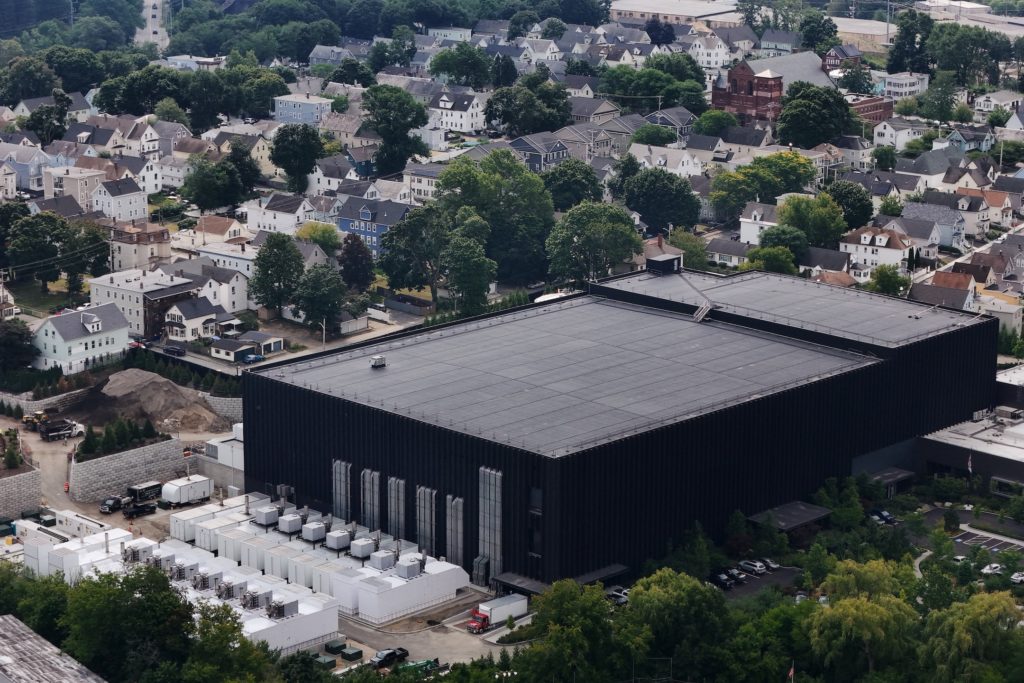
Opposition to artificial intelligence data centers has emerged as a defining issue in this year’s midterm elections, uniting voters across party lines. From Minnesota to Virginia and New Jersey, communities are expressing outrage over the construction of massive industrial facilities that house fields of AI computers. Candidates who have taken notice are racing to shape policy around these centers, recognizing their potential impact on election outcomes.
Local critics argue that data centers are detrimental to their neighborhoods. They cite noise pollution, decreased property values, and the significant strain on local resources as primary concerns. These facilities consume vast amounts of energy and water, which residents fear will lead to higher utility bills and environmental harm. Polling reflects this growing discontent; an Annenberg poll earlier this year showed 49 percent opposition, a figure that has since surged to 61 percent.
The backlash has forced politicians to reconsider their stances on tech infrastructure. In Texas, Democratic gubernatorial candidate Gina Hinojosa has made data centers a central issue in her campaign, attacking Republican incumbent Governor Greg Abbott for his previous support of the industry. Abbott had declared last year that Texas would be the global center for Google AI data centers, but he has since changed his tune.
Earlier this month, Abbott made Texas the second state in the country to put a pause on data center construction. This shift highlights the political pressure mounting on leaders who previously championed tech growth. Hinojosa accused Abbott of backpedaling, calling it an “election time political ploy.” The dynamic illustrates how quickly public opinion can influence policy decisions.
A recent Washington Post analysis found that candidates in at least 45 states have mentioned AI on their campaign websites, with data centers accounting for the largest share of AI-related policies discussed. This trend suggests that the issue is not isolated to a few regions but is a national concern. Voters are demanding accountability from big tech companies and government officials alike.
In Michigan, Congressional candidate William Lawrence criticized billionaires for wanting to turn fields into massive data centers, echoing sentiments heard in other states. The anger is palpable at town halls and rallies, where residents voice their fears about the environmental and social costs of unchecked tech expansion. Some have even threatened legal action to protect their communities from what they perceive as destructive projects.
The pushback against data centers also presents opportunities for alternative energy providers. Bloom Energy’s CEO noted that NIMBY (Not In My Backyard) resistance could be a boon for companies offering localized energy solutions. As communities resist large-scale infrastructure, there is growing interest in smaller, more sustainable options that do not disrupt local ecosystems or raise utility costs.
The issue of data centers has become a litmus test for politicians’ responsiveness to constituent concerns. Those who fail to address the backlash risk losing support, while those who adapt may gain traction. The midterms will likely see this theme play out in various races, as voters prioritize issues that directly affect their daily lives and environments.
As the election season progresses, the debate over data centers is expected to intensify. Tech companies face increasing scrutiny for their environmental footprint and resource consumption. Meanwhile, local governments are grappling with how to balance economic growth with community well-being. The outcome of these elections could set precedents for future tech infrastructure projects nationwide.
Ultimately, the rise of anti-data center sentiment reflects a broader shift in public awareness regarding the impacts of technology on society. Voters are no longer passive recipients of tech advancements; they are active participants demanding transparency and sustainability. This movement has the potential to reshape not only local policies but also the national conversation around AI and its role in our lives.
Sources behind this briefing
Go to the original reporting
- PBS NewsHour↗How data centers became a major issue in the midterms
- EnergyNow.com↗NIMBY Pushback to Data Centers a Boon for Bloom Energy, CEO Says
- Supply Chain Brain↗Data Center Boom Faces Pushback from Local Communities
- The Hill↗Rising data center backlash shakes up midterm races