The short version
- A powerful earthquake in western Colombia has resulted in a confirmed death toll of at least 179, with local officials reporting higher figures than federal estimates.
- Search and rescue teams are focusing on collapsed structures in cities like Pereira and Cali, while remote areas near the epicenter remain difficult to access.
- The disaster serves as the first major test for President Abelardo De la Espriella, who has mobilized military resources to aid recovery efforts.
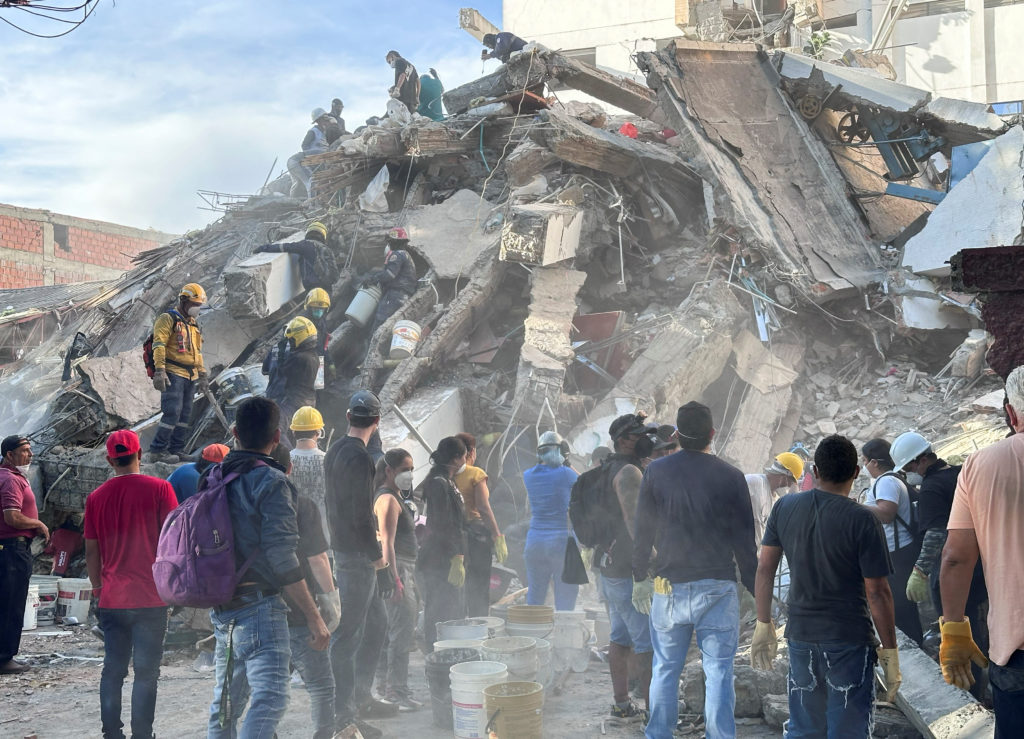
Search and rescue operations have resumed across dozens of municipalities in western Colombia following a significant seismic event that struck on Monday. The 7.4 magnitude earthquake has caused widespread destruction, leaving more than 3,000 people missing as families and emergency personnel sift through rubble. Many of the missing are believed to be trapped beneath collapsed structures, creating an urgent humanitarian challenge for local authorities.
Discrepancies in casualty figures have emerged between local and federal reports. Mayors and governors from the affected regions of Cali, Pereira, Choco, and Manizales stated that at least 179 people had died in their jurisdictions. In contrast, the national government provided an earlier estimate of 111 fatalities, which was issued shortly after the initial tremor. These differing numbers highlight the difficulties in coordinating accurate data during the immediate aftermath of a large-scale disaster.
Physical damage is extensive across the region, with approximately 1,600 buildings reported as damaged or completely destroyed. In Pereira, municipal authorities confirmed that at least 58 structures collapsed, while officials in Cali reported similar destruction affecting at least 40 buildings. The collapse of residential and commercial properties has forced residents to rely on volunteer networks and military support for extraction efforts.
The human impact is evident in the personal accounts of those searching for relatives. Jairo Vargas traveled from Medellin to Pereira, hoping to locate his brother who was last seen near a collapsed apartment building. Although he noted that heavy machinery was operating nearby, he expressed dwindling hope as silence persisted from beneath the debris. Such individual stories underscore the emotional toll accompanying the physical devastation.
Access remains a critical issue in Choco, the region surrounding the earthquake's epicenter. This area is characterized by poverty and limited infrastructure, with many communities reachable only by boat, air, or through dense jungle terrain. Consequently, information regarding the extent of damage and casualties in Choco remains scarce. The region has historically faced neglect and conflict, complicating immediate relief efforts.
President Abelardo De la Espriella, who was inaugurated just days before the quake, traveled to Quibdo, the capital of Choco, to oversee the response. He announced the deployment of the full military and police apparatus, including engineers, rescue specialists, and search dogs. The president framed the disaster as an opportunity to address historical neglect, stating that Choco would no longer be considered a forgotten land.
The earthquake marks the first significant crisis for De la Espriella’s administration. His political standing has been defined by promises to combat criminal groups in the Andean nation, and his handling of this emergency will likely influence public perception of his leadership capabilities. The mobilization of state resources aims to demonstrate governmental capacity in the face of natural disaster.
Community resilience is visible through citizen-led initiatives and local restrictions designed to facilitate aid. Families have utilized online platforms to share information about missing loved ones, such as Dana Carolina Zamora, who posted details about her uncle in El Cairo, a town where 80% of structures were damaged. Local governments in Pereira and Cali implemented curfews and restricted private vehicle traffic to ensure clear pathways for emergency responders.
International assistance has begun to flow into the country. The United States State Department committed $15.5 million for emergency shelter, food, and other essential supplies. Other Latin American governments have also indicated their willingness to provide support. As rescue efforts continue, the focus remains on locating survivors and providing immediate relief to displaced populations.
The seismic event has heightened anxiety among residents who recently experienced devastating earthquakes in neighboring Venezuela. The back-to-back disasters in the region have left communities on edge, fearing further tremors or structural failures. Authorities are working to stabilize affected areas while managing public concern about potential aftershocks and long-term recovery challenges.
Sources behind this briefing
Go to the original reporting
- PBS NewsHour↗Colombia searches for over 3,000 missing after powerful earthquake kills at least 179

