The short version
- Coles reported a short-term decline in sales during a four-week period when Woolworths ran a popular collectible toy promotion.
- The campaign drove significant customer migration, with many parents altering shopping habits to acquire the limited-edition figures for their children.
- While the promotion boosted engagement, it sparked debates over school disruptions and environmental concerns regarding plastic waste.
Coles has acknowledged a temporary downturn in its supermarket sales figures, attributing the slump to a highly successful promotional campaign by its main competitor, Woolworths. The Australian grocery giant released its full-year results on Tuesday, revealing that while it had successfully gained market share and grown sales over the twelve months leading up to June, this momentum stalled in July. The disruption lasted approximately four weeks and was directly linked to what Coles described as a 'competitor’s collectables campaign.' This event underscores how non-food incentives can significantly influence consumer behavior in the fiercely competitive grocery sector.
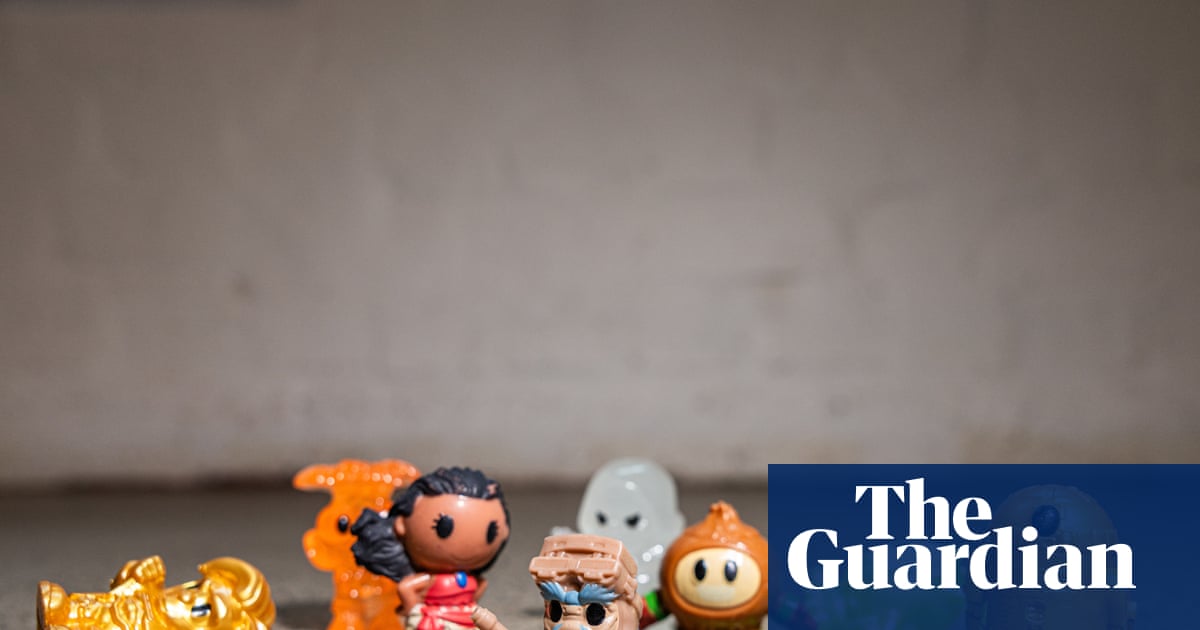
The catalyst for this shift was Woolworths’ distribution of Ooshies, small rubber figurines featuring characters from Disney, Marvel, and Star Wars franchises. These items were available to customers who spent at least $30 on groceries. The promotion was originally scheduled to conclude in late August, but high demand caused Woolworths to exhaust its inventory a week earlier than planned. The figures, which attach to pens or pencils, are sold in opaque packaging, adding an element of surprise that has fueled intense interest among children and adults alike. The scarcity and collectible nature of the items created a frenzy that extended well beyond typical grocery shopping patterns.
Financial analysts suggest the impact of this campaign could unsettle investors watching Coles’ performance. Michael Toner, an analyst at RBC Capital Markets, noted that such external disruptions can create volatility in investor sentiment. Leah Weckert, Coles’ chief executive, characterized the sales moderation as a temporary phenomenon that primarily affected physical store locations rather than online channels. Despite the short-term setback, Coles has indicated it intends to continue utilizing similar promotional collectible campaigns in the future, recognizing their effectiveness in driving foot traffic and basket size.
The cultural footprint of the Ooshies craze extends beyond retail metrics into social dynamics among children and adults. The figures have become a currency for trade among schoolchildren, who exchange duplicates to complete sets of forty characters. This activity has mirrored historical trends in childhood play, such as trading marbles, which experts argue can foster negotiation skills and social interaction. Professor Gary Mortimer, a consumer behavior specialist at Queensland University of Technology, observed that these exchanges teach children about fair play, handling disappointment, and the principles of value exchange. However, this social engagement has not been universally welcomed by educational institutions.
Several schools have responded to the popularity of the toys by implementing bans on trading within their premises. Bellevue Park State School in Queensland cited distractions, conflict, and unfair trading practices as reasons for prohibiting the items. Similarly, an after-school care center in Sydney reported disputes over ownership and emotional distress among children, leading to a restriction on the toys. These institutional reactions have been viewed by some industry insiders as a sign of the campaign’s success. Alan Ngov, chief commercial officer at Headstart International, the company behind Ooshies, remarked that being banned from schoolyards is often an indicator of a highly engaging product.
Adult participation in the trend has also been significant, with many parents joining the collecting effort. A survey by YouGov found that nearly two-thirds of parents altered their shopping behavior to participate in the promotion, frequently choosing Woolworths over other retailers. Millennials emerged as particularly enthusiastic collectors, while baby boomers expressed interest in acquiring the items as gifts for younger relatives. The secondary market for these figures has grown rapidly, with dedicated online groups facilitating trades and sales. One Facebook group alone saw its membership surge by nearly 2,500 in a single week, reaching over 45,000 members.
Environmental concerns have accompanied the commercial success of the campaign. Critics argue that the production and distribution of thousands of small plastic items contribute unnecessarily to landfill waste. Kirsten Junor, chief executive of the not-for-profit organization Reverse Garbage, criticized the environmental cost, stating that the carbon emissions associated with manufacturing and transporting the figures outweigh any potential benefits. She described the items as 'future landfill' and questioned the necessity of rewarding routine grocery purchases with plastic goods. In response, Woolworths has highlighted that the figures are made from 97% recycled thermoplastic rubber and has introduced collection bins in select stores to facilitate recycling.
The episode serves as a case study in modern retail strategy, demonstrating how experiential marketing can disrupt traditional competitive advantages. While Coles managed to maintain overall market growth for most of the year, the specific impact of the Ooshies campaign reveals the vulnerability of brick-and-mortar sales to viral consumer trends. As the promotion winds down, attention may shift to the long-term implications of such campaigns, including their environmental footprint and their effect on consumer expectations regarding value-added incentives in everyday shopping.
Sources behind this briefing
Go to the original reporting
- The Guardian World↗Woolworths’ Ooshies craze causes Coles sales slump with parents shopping at rival supermarket to collect toys

