The short version
- The US Coast Guard suspended its search operation for a medical transport plane that crashed off the coast of Massachusetts, presuming all six people on board are deceased.
- Radio recordings indicate the pilot reported electrical failures and experienced communication difficulties with air traffic control shortly before the aircraft descended rapidly and vanished from radar.
- Authorities have identified two victims as Bermudian citizens, including a patient traveling for medical care, while the four crew members were Canadian nationals.
The United States Coast Guard has officially suspended its search operations for a medical transport aircraft that crashed in the waters near Nantucket, Massachusetts. The decision marks the end of an active rescue effort that began early Saturday morning after the plane lost contact with ground authorities. Rear Admiral Matthew Lake, who commands the agency’s northeast district, stated that halting the search was a difficult choice but necessary given the circumstances. He expressed condolences to the families affected by the tragedy and acknowledged the support provided by partner agencies during the operation.
Six individuals are now presumed dead following the incident. The aircraft involved was a Gulfstream G100 operated by Latitude Air Ambulance, a Canadian company specializing in medical transport services. The flight, designated as Heartbeat 104, departed from Bermuda at approximately 12:41 am on Saturday. It was en route to Boston when it encountered difficulties. On board were four crew members, one patient, and a family member serving as an escort. Latitude Air Ambulance confirmed that the company accepts the conclusion of the search phase and acknowledges the heartbreaking reality that those aboard are likely deceased.
Authorities have identified two of the victims as citizens of Bermuda. The Bermuda Police Service named the patient as Marilyn Lavonne Bean, aged 66, and her son, Sergio Wayne Lottimore, aged 41. The police service issued a statement extending sincere condolences to their relatives and noted that a liaison officer has been appointed to assist the families during this difficult period. The four crew members were identified as Canadian citizens, though their specific names have not yet been released to the public.
The final moments of the flight were marked by technical issues and communication challenges. Radio transmissions captured by LiveATC.net reveal that air traffic controllers struggled to establish clear contact with the pilot in the minutes leading up to the crash. At approximately 12:46 am, a controller asked the pilot if they were coming in blind and whether an emergency was being declared. The pilot’s response was not audible on the recording. Shortly thereafter, the aircraft reported electrical failures as it approached the vicinity of Nantucket.
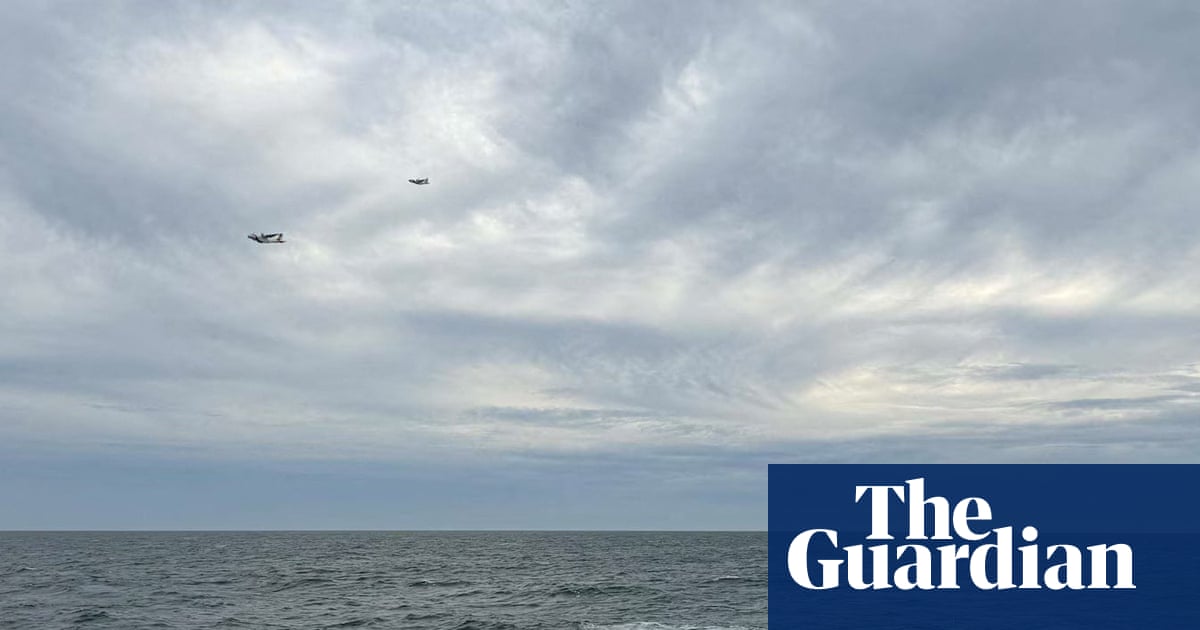
Flight data from FlightAware indicates that the plane experienced a rapid descent shortly after reporting technical problems. Within a three-minute window, the aircraft dropped thousands of feet before disappearing from radar screens at around 1 am local time. The Coast Guard located a debris field near the island later on Saturday, confirming the crash site. The suspension of the search does not preclude further recovery efforts or investigation into the cause of the accident.
Latitude Air Ambulance has pledged to cooperate fully with investigators from both the United States and Canada. The company stated it will work alongside the National Transportation Safety Board (NTSB) and the Transportation Safety Board of Canada to support recovery operations and determine why the plane crashed. This collaboration aims to provide answers to the families involved and to ensure that any safety improvements can be implemented based on the findings.
The incident highlights the risks associated with long-distance medical transport flights, particularly when technical failures occur over open water. While details regarding the specific nature of the electrical failure remain under investigation, the rapid loss of altitude suggests a critical system compromise. The Coast Guard’s decision to suspend the search reflects standard protocols when survival chances are deemed negligible based on environmental conditions and the time elapsed since the incident.
As the focus shifts from rescue to recovery and investigation, authorities continue to process the scene near Nantucket. The families of the victims are receiving support from local law enforcement and international liaisons. The NTSB and its Canadian counterpart will likely conduct a thorough examination of the wreckage and flight data recorders to reconstruct the sequence of events. Until those investigations conclude, the exact cause of the crash remains unknown, leaving many questions unanswered for the public and the aviation community.
This event serves as a somber reminder of the vulnerabilities inherent in air travel, even for specialized medical missions. The coordination between multiple agencies and international partners underscores the complexity of managing such incidents. As the investigation proceeds, stakeholders hope that the findings will contribute to enhanced safety measures for future flights. For now, the community mourns the loss of six lives and awaits further information from the ongoing inquiry.
Sources behind this briefing
Go to the original reporting
- The Guardian US↗Six presumed dead as Coast Guard suspends search for missing medical plane near Nantucket