The short version
- Senator Andrew Bragg proposed reducing annual net overseas migration to below 180,000 and relaxing national building codes to address housing shortages.
- Opposition leader Angus Taylor and shadow treasurer Tim Wilson dismissed the figures as personal views not reflecting official party policy.
- Moderate senators including Andrew McLachlan and Paul Scarr praised the speech as necessary thought leadership despite internal criticism.
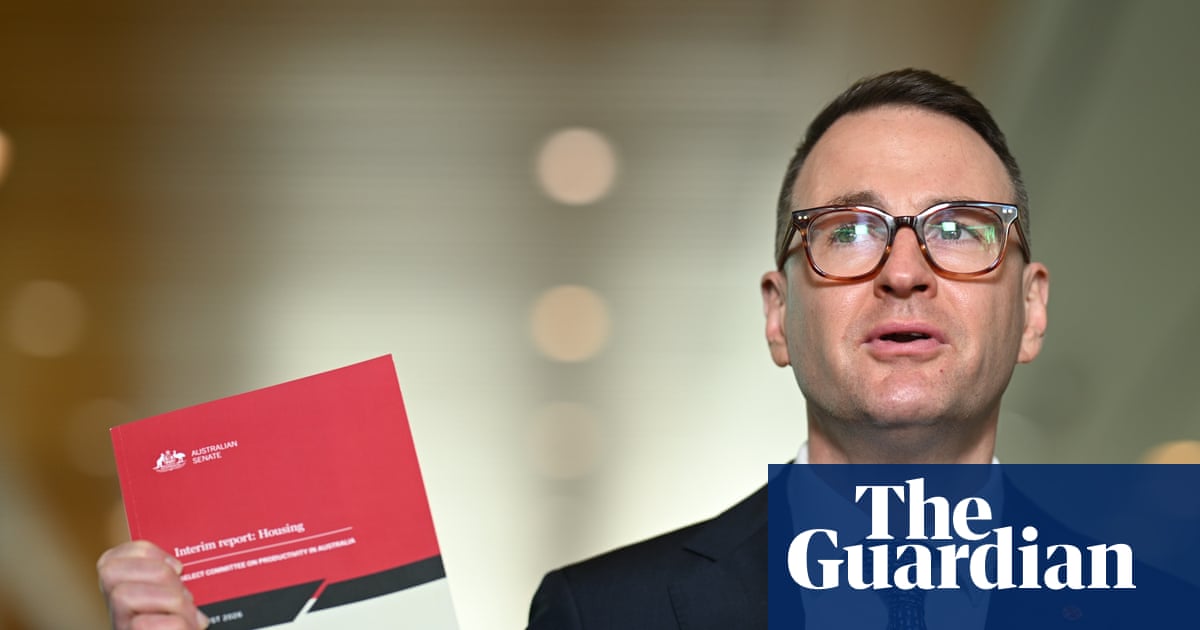
A significant rift has emerged within Australia’s Liberal-National coalition following a policy address by Senator Andrew Bragg that challenged established positions on migration and housing. Speaking at the National Press Club, the New South Wales senator outlined a vision to reduce net overseas migration from approximately 300,000 to under 180,000 annually. He argued this reduction is necessary to align population growth with the pace of new housing construction. The proposal immediately triggered a response from senior party figures who sought to distance official policy from Bragg’s specific numerical targets.
Opposition leader Angus Taylor moved quickly to characterize the migration figure as representing Bragg’s personal views rather than a finalized coalition stance. Shadow treasurer Tim Wilson reinforced this position, advising observers not to treat the number as a committed policy direction. Privately, Taylor reportedly counseled his frontbencher regarding the intervention. The swift dismissal by leadership highlights the tension between individual senatorial advocacy and the need for a unified opposition platform ahead of future elections.
Despite the rebuke from top leadership, Bragg’s remarks found strong support among moderate voices within the coalition. South Australian Senator Andrew McLachlan publicly endorsed the address, urging colleagues to follow Bragg’s example in discussing policy pathways openly. McLachlan described the speech as a masterclass in thought leadership and an important step toward developing a comprehensive policy suite. He emphasized that every member of the coalition should engage with such ambitious ideas rather than avoiding difficult conversations.
Queensland Senator Paul Scarr also voiced his approval, calling the address terrific and noting its reinforcement of core Liberal values. Scarr, known for occasionally defying party lines on specific issues, viewed the speech as high-level and constructive. Other members privately expressed frustration with what they perceived as an overblown reaction from both the media and internal critics. Some argued that the discomfort stemmed from a failure to fully read or understand the nuances of Bragg’s proposals.
Bragg has maintained that his goal is to move the debate forward rather than simply announce micro-policies designed to appease various factions. He stated that voters require ambitious policy frameworks for the future, even if specific details have not yet been approved by the shadow cabinet. The senator expressed confidence that putting more detail on the table would ultimately be rewarded by the electorate. His stance reflects a belief that current strategies have failed over the past several years and that a different approach is sensible.
The speech also included controversial suggestions regarding the national construction code, specifically proposing to make energy efficiency standards voluntary. This aspect of the address drew particular scrutiny after Bragg appeared in an interview to suggest Australians might need to accept substandard homes under his changes. He later clarified on social media that he had misheard the question during the broadcast. Bragg insisted that homes built to the basic Australian standard would remain strong, safe, and sound with all essential amenities.
Internal reactions to the housing proposals were mixed but generally defensive of Bragg’s intent. One anonymous Liberal MP noted that while some colleagues were angry at the lack of discipline, others viewed the intervention as brave and necessary. This MP suggested that the initial surprise was a natural response to disruption but acknowledged that Bragg consistently engages in substantial policy work rather than remaining passive. The sentiment reflects a broader desire within parts of the party for fresh ideas after years of perceived stagnation.
The Nationals leader, Matt Canavan, offered a nuanced response that separated specific policy points from overall appreciation. While Canavan quickly rejected any cuts to working holiday visas mentioned in Bragg’s speech, he praised the senator’s energy and enthusiasm. He described Bragg as full of ideas and emphasized the need for such dynamic contributions within the coalition. This reaction underscores the complex dynamics at play, where individual proposals may be contested while the broader call for innovation is welcomed.
As the coalition navigates this internal disagreement, the incident highlights the challenges of maintaining unity while addressing pressing national issues like housing affordability and migration management. Bragg’s willingness to propose specific, albeit controversial, numbers has forced a public reckoning with policy directions that have previously been left vague. The coming weeks will likely see further debate as members reconcile their individual views with the need for a cohesive opposition strategy.
The fallout from the National Press Club address serves as a reminder of the diverse perspectives within the Liberal-National coalition. While leadership seeks to control the narrative and prevent premature policy commitments, backbenchers are increasingly vocal about the need for bold changes. Whether Bragg’s interventions will lead to concrete policy shifts or remain isolated incidents remains uncertain, but they have undeniably injected new energy and controversy into the political discourse.
Sources behind this briefing
Go to the original reporting
- The Guardian World↗Coalition split on Andrew Bragg speech as South Australian senator Andrew McLachlan urges colleagues to ‘follow his lead’