The short version
- Attorneys presented final arguments in the Plymouth, Massachusetts trial of Lindsay Clancy, who is accused of killing her three children in 2023.
- The defense contends Clancy was incapacitated by postpartum psychosis, while prosecutors argue she planned the murders with intent.
- Advocates and medical experts use the high-profile case to highlight gaps in diagnosing and treating severe maternal mental health conditions.
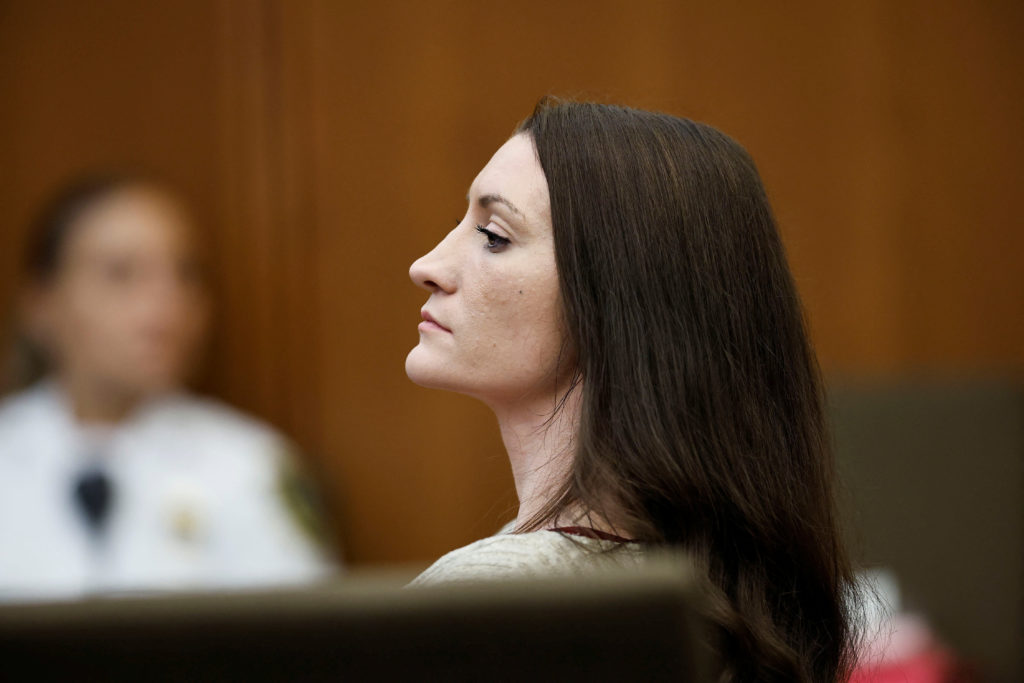
Jurors in Plymouth, Massachusetts, heard closing arguments on Thursday regarding the criminal responsibility of Lindsay Clancy for the deaths of her three children in 2023. The trial has reached its final stage before deliberations begin, with both legal teams agreeing that Clancy was responsible for the killings but fundamentally disagreeing on her mental state and intent at the time. The prosecution maintains that the former labor and delivery nurse intentionally planned the acts, whereas the defense argues she was suffering from postpartum psychosis that rendered her unable to control her actions.
The courtroom proceedings drew significant public attention, with approximately seventy-five people waiting outside the Plymouth County court building early in the morning. Among those present were journalists, members of the general public, and advocates wearing pink to signal support for women’s mental health issues. Media outlets established temporary viewing areas on nearby grass, reflecting the intense interest in a case that has brought national scrutiny to maternal mental health crises.
Central to the defense’s strategy is the assertion that Clancy experienced a severe break from reality due to postpartum psychosis. Dr. Phillip Resnick, a forensic psychiatrist and expert in filicide, testified as the final witness for the defense. He described Clancy as clearly psychotic on the day of the killings, comparing her state to being a puppet with strings pulled by an external force. Resnick noted that he interviewed Clancy four months after the incident and found she tended to minimize rather than exaggerate her symptoms.
Resnick’s testimony detailed Clancy’s reported experiences, including severe depression, signs consistent with bipolar disorder, and auditory hallucinations commanding her to harm her children. He categorized the killings within frameworks of psychosis and what he termed altruistic filicide, suggesting the acts were driven by a distorted sense of love rather than hostility or abuse. This perspective challenges the prosecution’s narrative of premeditated malice, positioning Clancy as a victim of a untreated medical emergency.
Postpartum psychosis is a rare but serious condition affecting an estimated one to two women per thousand after delivery. Medical experts describe it as a mental health emergency that distorts a person’s sense of reality. While most individuals with the condition do not harm their children, severe cases can lead to dangerous behaviors toward both the infant and the mother. The disorder typically emerges within days of birth but can appear up to six weeks later, manifesting through hallucinations, delusions, paranoia, mood swings, insomnia, and disorganized behavior.
The trial has amplified calls for improved support systems for new mothers. Advocates present at the courthouse emphasized that mental health care must be integrated with community and family support. Marta Quijano, a physician and advocate, stated that society needs to believe women when they express concerns about their mental state. She highlighted the unfairness of dismissing maternal distress, noting her own experience on both sides of patient-provider interactions where concerns were overlooked.
Personal accounts from those who have survived similar crises underscore the urgency of early intervention. Bridget María Chesterton, a history professor, shared her experience of suffering from postpartum psychosis shortly after giving birth. She described losing touch with reality and requiring emergency medical care. Chesterton credited medication and strong family support for preventing a worse outcome and is now working to dispel misconceptions about the disorder through public storytelling and academic publication.
As the jury moves toward a verdict, the case serves as a focal point for broader discussions about maternal health infrastructure. Lyn Feeney, another advocate, noted that the challenges of motherhood intensify with each child, necessitating robust support from medical professionals, families, and the justice system. The outcome in Plymouth may influence how similar cases are viewed legally and medically, potentially shaping future approaches to diagnosing and treating postpartum mental health emergencies.
The legal team for Clancy has also filed lawsuits accusing medical providers of failing to properly diagnose and treat her condition prior to the tragedy. This civil action runs parallel to the criminal proceedings, suggesting a systemic critique of healthcare responses to maternal distress. The intersection of legal accountability and medical negligence claims adds another layer of complexity to the public discourse surrounding the case.
With closing arguments concluded, the jury will now weigh the evidence regarding Clancy’s mental capacity versus her intent. The verdict could have significant implications for how postpartum psychosis is considered in criminal law and whether it serves as a valid defense or mitigating factor in cases of filicide. Meanwhile, advocates continue to push for greater awareness and resources to prevent similar tragedies by ensuring that mothers receive timely and effective care.
Sources behind this briefing
Go to the original reporting
- PBS NewsHour↗WATCH LIVE: Attorneys make closing arguments in Lindsay Clancy trial

