The short version
- Closing arguments are underway in the murder trial of Duane Davis, accused of ordering Tupac Shakur's death.
- Prosecutors rely heavily on Davis's memoir and recorded interviews as evidence of his involvement.
- The defense argues that Davis exaggerated his role to capitalize on public interest in the unsolved case.
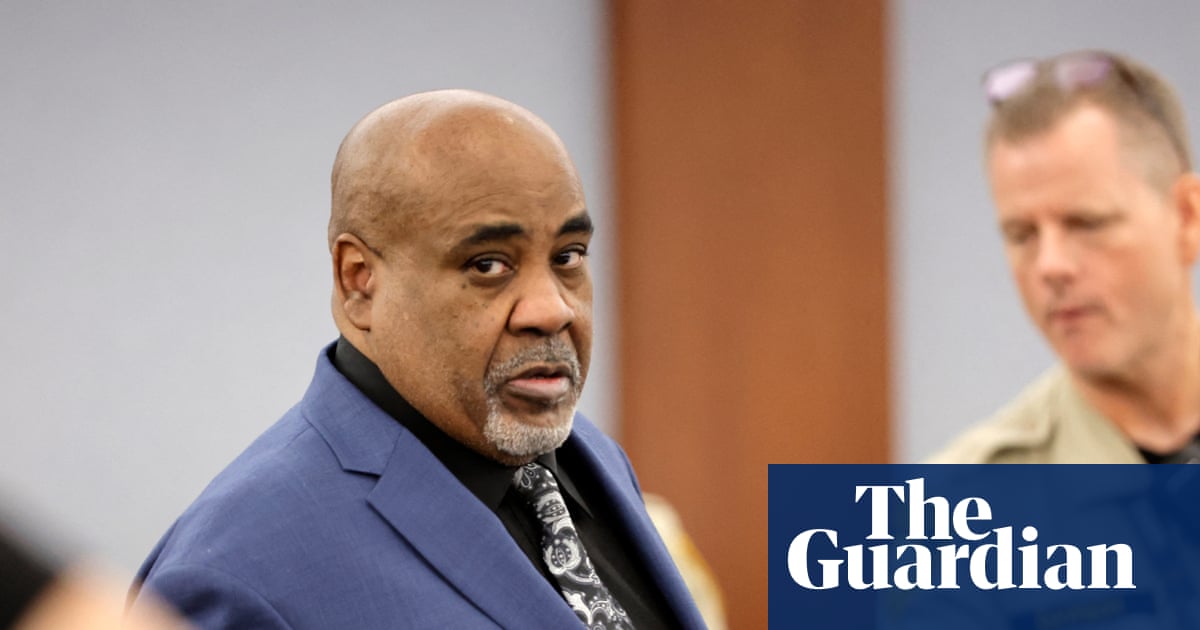
A Las Vegas courtroom is now hearing closing arguments in a high-profile murder trial that seeks to resolve one of the most enduring mysteries in American music history. The proceedings focus on Duane “Keffe D” Davis, a former gang leader who faces charges for allegedly orchestrating the fatal shooting of hip-hop icon Tupac Shakur nearly three decades ago. This legal chapter marks a significant shift from years of speculation and unanswered questions, offering a formal judicial examination of events that have haunted fans and family members since 1996.
Davis, now 63, is accused of leading a group of men to kill Shakur in retaliation for an earlier altercation involving his nephew. While prosecutors do not allege that Davis pulled the trigger himself, they contend he directed the operation. Under Nevada law, arranging such a killing is sufficient grounds for a murder charge. Davis has pleaded not guilty, and his legal team is working to dismantle the prosecution’s narrative by questioning the reliability of the evidence presented against him.
The foundation of the state’s case rests largely on Davis’s own words rather than traditional forensic evidence or eyewitness testimony from the night of the shooting. Investigators long suspected Davis but lacked sufficient proof to bring charges until he began sharing his version of events publicly. His 2019 memoir and recordings from secret meetings with law enforcement officials now serve as the primary pillars of the prosecution’s argument, detailing how he planned the retaliation.
Prosecutors have played eight hours of audio recordings for the jury, capturing Davis describing the events of September 7, 1996, across four separate interviews conducted in different years. In these accounts, Davis claims he hatched the plan after Shakur’s entourage beat his nephew, Orlando “Baby Lane” Anderson, in the lobby of the MGM Grand hotel earlier that evening. Anderson, a member of a rival gang in Compton, California, died two years later in an unrelated incident.
The defense, led by attorney Michael Sanft, has sought to portray Davis’s statements as embellished tales designed to exploit public fascination with Shakur’s death. They argue that Davis exaggerated his involvement to benefit from the media attention and financial opportunities associated with the case. This strategy aims to create reasonable doubt by suggesting that Davis’s narrative is inconsistent and motivated by self-interest rather than truth.
The night of the shooting, Shakur and Marion “Suge” Knight, founder of Death Row Records, were leaving a Mike Tyson boxing match at the MGM Grand when they were stopped at a red light. A white Cadillac pulled alongside their vehicle, and gunfire erupted from inside it. Investigators have not identified the actual shooter, and three other men who were in the car with Davis have since died, leaving Davis as the sole surviving defendant connected to the incident.
The trial has involved 25 witnesses, some of whom were reluctant to testify and had to be ordered by the court to appear. District Attorney Marc DiGiacomo and Chief Deputy District Attorney Binu Palal have worked to present a cohesive timeline based on Davis’s admissions. They argue that despite any inconsistencies, the core of his story remains consistent: he admitted to arranging the killing in response to the beating of his nephew.
For Shakur’s family, the trial represents a long-awaited opportunity for closure after thirty years of uncertainty. Zayd Akinyela, Shakur’s cousin, expressed the emotional toll of the delay, noting that many people cannot properly grieve until they understand what happened to their loved ones. The conclusion of this trial may finally provide answers, even if it does not fully resolve all lingering questions about the night Shakur died.
As closing arguments proceed, the jury will weigh the credibility of Davis’s public statements against the defense’s claims of exaggeration. The outcome could set a precedent for how self-incriminating media appearances are used in criminal cases. Regardless of the verdict, the trial has brought renewed attention to the complex web of gang violence and personal vendettas that characterized much of the hip-hop scene in the mid-1990s.
The case underscores the challenges of prosecuting crimes from decades past, where evidence degrades and witnesses age or pass away. With no other living suspects available for trial, Davis stands alone in the dock. The jury’s decision will determine whether his own words are enough to secure a conviction, marking the end of a legal journey that has spanned generations and captivated public interest worldwide.
Sources behind this briefing
Go to the original reporting
- The Guardian US↗Tupac Shakur murder trial: Las Vegas court to hear closing arguments in case

