The short version
- Clearlake Capital has completed the buyout of Todd Boehly and Mark Walter, securing full control of Chelsea Football Club.
- The split follows years of internal friction, with Boehly’s early involvement in transfers drawing criticism for poor decision-making and lack of expertise.
- While daily management remains stable under Clearlake’s leadership, the consolidation may accelerate long-delayed plans for a new stadium.
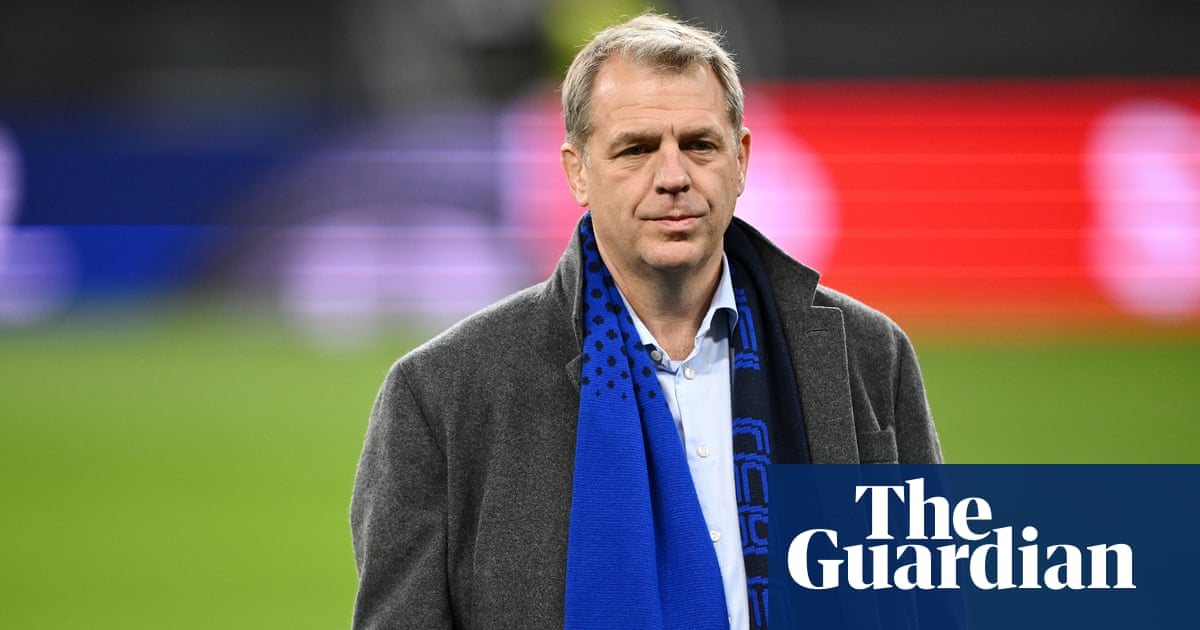
Todd Boehly has officially exited his role at Chelsea Football Club, marking the conclusion of a turbulent four-year period in which the American billionaire and his partner Mark Walter held a significant minority stake. The departure confirms that Clearlake Capital, the US private equity firm founded by Behdad Eghbali and José E Feliciano, now holds full control of the London-based club. This transition resolves a long-standing power struggle within the ownership group, effectively removing Boehly and Walter from any operational influence while solidifying Clearlake’s position as the sole guiding force behind the organization.
The split between the investors has been developing for years, with public cracks appearing in the consortium roughly two years ago. Tensions escalated as Boehly reportedly lost faith in his working relationship with Clearlake, leading to discussions about potential buyouts or governance changes that would relegate him to a ceremonial role. Although there were periods of truce, the underlying friction never fully dissipated. The final catalyst for the exit appears to be financial pressures faced by Walter, who sought to liquidate assets to address issues in the United States, including the sale of his stake in the Los Angeles Lakers.
Boehly’s initial involvement with Chelsea was characterized by a high-profile but ultimately unsuccessful attempt to manage sporting operations directly. After appointing himself interim sporting director following the departure of Roman Abramovich, he oversaw a transfer strategy that critics described as chaotic and expensive. The club spent approximately £300 million on players who failed to integrate effectively, including the widely criticized signing of Raheem Sterling on a lucrative contract. These decisions contributed to a perception of naivety and excess, damaging Boehly’s reputation among fans and industry observers alike.
The early years under Boehly’s influence were marked by instability, including the sacking of manager Thomas Tuchel and his replacement by Graham Potter. Boehly faced particular backlash for comments made at business conferences, such as questioning why the Premier League did not have an All-Star game, and for making overly confident predictions about match outcomes that proved incorrect. These incidents cemented his image as a figure out of touch with football culture, leading to abusive chants from supporters and a general decline in his standing within the club’s community.
In response to these challenges, Clearlake Capital gradually assumed greater control over the club’s direction. Behdad Eghbali emerged as the dominant figure, driving a strategic shift away from Boehly’s hands-on approach. The club moved from relying on an interim sporting director to appointing five permanent executives, including Paul Winstanley and Laurence Stewart, who were given long-term contracts with performance incentives. This restructuring aimed to stabilize the organization and focus on acquiring young talent, reflecting a more disciplined and data-driven philosophy.
Despite the bumpy ride, Clearlake sources indicate that important lessons have been absorbed in recent months. The club’s transfer activity last summer was viewed as an improvement, with the appointment of manager Xabi Alonso and the signing of established players signaling a return to form. Chelsea has qualified for the Champions League once under this ownership structure, suggesting that the new strategy is beginning to yield results. However, the path to consistent success remains uncertain, and the club continues to navigate the complexities of modern football management.
The exit of Boehly and Walter is unlikely to alter day-to-day operations at Stamford Bridge, as Clearlake has already been the de facto leader for some time. Hansjörg Wyss, the Swiss billionaire who held an equal share in the consortium, has invested in a Clearlake vehicle and remains part of the ownership structure. Jonathan Goldstein, an ally of Boehly, has also left the board, further streamlining the leadership team. The consolidation of power under Eghbali and Feliciano provides a clearer line of accountability and decision-making.
One area where the change in ownership may have significant implications is the long-debated stadium project. With Boehly and Walter no longer part of the equation, Clearlake has greater flexibility to pursue its vision for the club’s future infrastructure. The removal of internal dissent could facilitate faster progress on plans that have been stalled or delayed due to disagreements among the previous ownership group. As Chelsea moves forward under unified leadership, the focus will likely shift toward both sporting performance and long-term financial sustainability.
The departure of Boehly represents a closing chapter in one of the most controversial periods in recent Premier League history. While his early missteps drew heavy criticism, the eventual transition to Clearlake’s control has brought a degree of stability that was previously lacking. The club now faces the challenge of building on this foundation, with clear leadership and a defined strategy in place. Whether this new era will translate into sustained success remains to be seen, but the structural changes suggest a more focused approach to managing one of football’s most valuable brands.
Sources behind this briefing
Go to the original reporting
- The Guardian US↗Todd Boehly exits Chelsea diminished after having his fingers burned

