The short version
- Defense attorneys moved to dismiss murder charges against Lindsay Clancy, arguing that a holdout juror’s alleged misconduct violated double jeopardy protections.
- Prosecutors rejected the dismissal request, asserting the juror simply disagreed with the majority and that the judge properly managed the deliberation process.
- Judge William Sullivan scheduled a ruling on these motions for November 16, with a potential retrial possibly commencing in March 2027 if charges are not dropped.
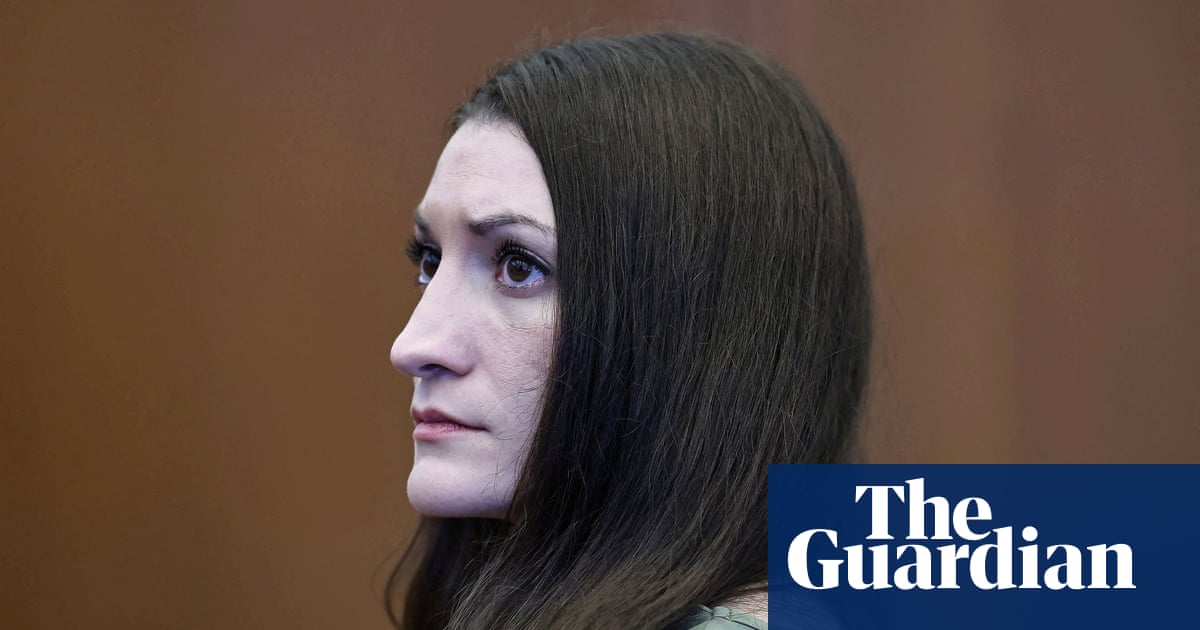
Lindsay Clancy returned to a Massachusetts courtroom on Monday as her legal team made a fresh attempt to end the criminal case against her. The defense filed a motion seeking dismissal of the murder charges, arguing that a second trial would violate constitutional protections against double jeopardy. This hearing marks the second time Clancy has appeared before Judge William Sullivan since her initial trial concluded in September with a deadlocked jury. The outcome of these proceedings will determine whether Clancy faces another trial for the 2023 deaths of her three young children or if the case is closed.
Clancy does not dispute that she killed her children, but her attorneys maintain she was suffering from severe postpartum psychosis at the time and lacked the capacity to control her behavior. Prosecutors have acknowledged Clancy’s mental health struggles but contend she acted deliberately and understood the wrongfulness of her actions. The central conflict in Monday’s hearing focused on whether the mistrial declaration was necessary or if the judge should have intervened earlier to remove a holdout juror, thereby allowing the majority to reach a verdict.
Defense attorney Martin G. Weinberg argued that Judge Sullivan failed to investigate adequately after receiving notes from the jury foreperson indicating that one juror was not following proper procedures. Weinberg suggested that further questioning could have revealed grounds to dismiss the lone holdout, identified in court documents as Michael Desronvil, and allow deliberations to continue. Another defense lawyer, Kevin Reddington, urged the court to examine Desronvil’s initial questionnaire, alleging dishonesty in his responses, and claimed there was evidence the juror used his phone during deliberations to research altruistic filicide.
The hearing grew tense when Reddington referenced Desronvil by name, prompting Judge Sullivan to intervene. The judge stated there was no need to use the juror’s name in that setting, but Reddington pushed back, noting the juror had received significant media attention following the trial. Reddington argued that if Desronvil had conducted independent research related to the case, it warranted his removal from the jury. He also requested access to the juror’s phone and records, suggesting this evidence was critical to proving misconduct.
Prosecutor Jennifer Sprague firmly opposed the defense’s characterization of events. She argued that opening an investigation into Desronvil would set a precedent requiring scrutiny of all jurors in every case. Sprague maintained that Judge Sullivan had struck the appropriate balance by speaking with each juror, reminding them of their duties, and explaining the standard of reasonable doubt. She emphasized that the judge was in the best position to assess the credibility of the jurors’ assurances that they could follow the law.
Sprague contended that Desronvil’s refusal to agree with the majority was based on his assessment of the evidence, not personal bias or misconduct. She stated clearly that the juror did not refuse to deliberate but simply refused to agree with the other eleven members who leaned toward a verdict of not guilty by reason of insanity. Desronvil has publicly stated he had no doubts about Clancy’s guilt, citing physical evidence and witness testimony as sufficient proof that she planned the killings and knew what she was doing.
Accounts of the final moments of deliberation differ significantly. Jury foreperson Roni Carlson told reporters that Desronvil initially admitted to having reasonable doubt, leading her to begin filling out verdict forms. However, she said he then reversed his position, stating he would not agree to a finding of insanity. In contrast, Desronvil’s attorney, Heather O’Connor, stated that the defense had combined several allegations to argue against the mistrial declaration. She indicated that the holdout juror remained steadfast in his belief that Clancy was guilty based on the prosecution’s case.
Judge Sullivan has scheduled a hearing for November 16 to rule on the pending motions, including the request to dismiss the first-degree murder charges. If the judge denies the dismissal and prosecutors proceed with a retrial, it could take place as early as March 2027. Defense attorney Reddington urged the court to set a spring trial date, expressing concern about Clancy remaining incarcerated for an extended period without resolution. However, Sprague indicated that the prosecution needs to see the judge’s rulings on the motions before committing to specific dates or determining whether to pursue first-degree murder charges or lesser counts.
The case has drawn intense public scrutiny since the initial trial collapsed. Prosecutors have requested a gag order to prevent further statements outside the courtroom, citing what they described as inappropriate comments made by defense counsel to the media. District Attorney Timothy Cruz has not officially confirmed plans for a retrial, leaving the future of the case in limbo until Judge Sullivan issues his decisions. The legal battle now hinges on whether the court finds that juror misconduct tainted the first trial enough to bar a second attempt at justice.
Sources behind this briefing
Go to the original reporting
- The Guardian World↗Lindsay Clancy back in court seeking to dismiss murder charges after mistrial
- BBC News↗Prosecutors hint at retrial for Lindsay Clancy on murder charges


