The short version
- Polls have closed in Clacton for a byelection that features the longest ballot paper in British electoral history, with thirty-four candidates vying for the seat.
- Reform UK leader Nigel Farage faces re-election while a parliamentary standards inquiry into undeclared gifts remains suspended but could resume if he retains his position.
- Mainstream political parties declined to field candidates, describing the contest as a media spectacle, which allowed fringe and novelty figures to dominate the ballot.
Voting has concluded in the Clacton constituency of Essex, marking the end of a byelection that has drawn significant attention for its unusual composition. The race features thirty-four candidates, setting a new record for the number of contenders in a single UK parliamentary seat. This historic ballot includes Nigel Farage, the leader of Reform UK, alongside a diverse array of independent figures and novelty candidates. The outcome will determine whether Farage retains the seat he vacated earlier this year to force this specific contest.
The decision to trigger the byelection stems from growing pressure regarding financial disclosures. Farage resigned as the member of parliament for Clacton in early July, a move widely interpreted as an attempt to manage a deepening controversy over gifts received during his campaign and tenure. A formal investigation by the parliamentary standards watchdog was initiated in May following reports that he had accepted a substantial personal gift from Christopher Harborne, a cryptocurrency billionaire based in Thailand. The inquiry has been suspended since Farage’s resignation but is scheduled to potentially restart if he wins re-election.
Central to the scrutiny is the nature of the support Farage received from wealthy associates. Reports indicate that George Cottrell, a convicted fraudster and close friend of Farage, provided financial backing that included security personnel and social media staff. These individuals allegedly worked on Farage’s online content in the year leading up to his election victory. Reform UK has dismissed these allegations as baseless, asserting that no parliamentary rules were violated. Farage himself has maintained that the gifts were personal in nature, citing them as compensation for security costs and a reward for his role in the Brexit campaign.
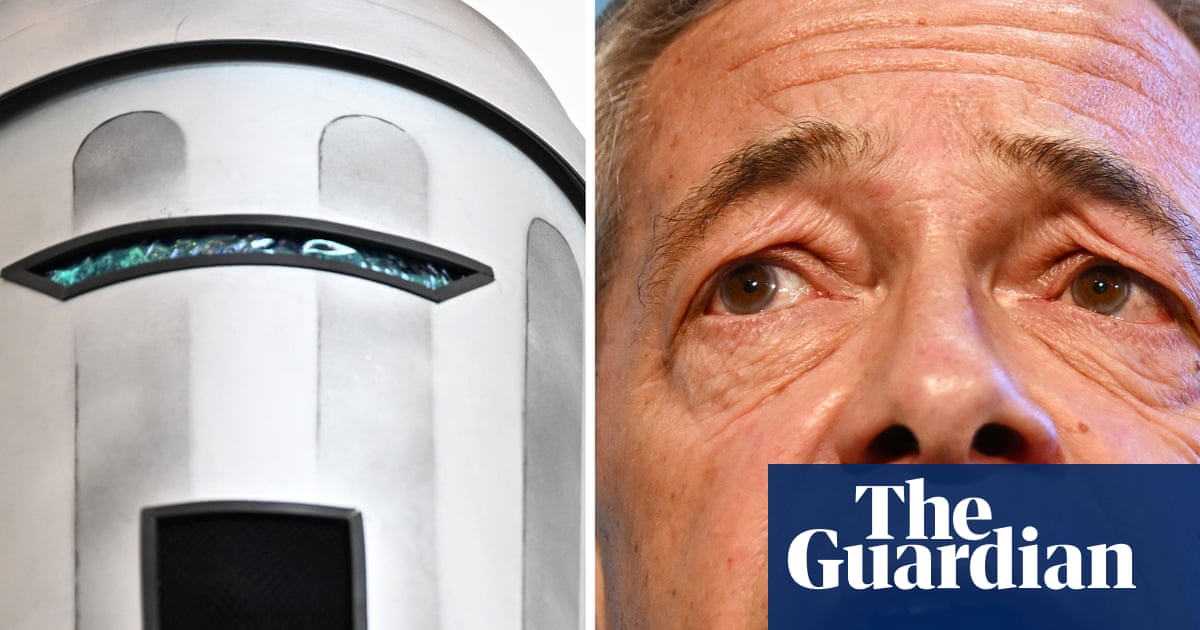
The political landscape of this byelection is defined by the absence of traditional competitors. All major parties, including the Conservatives and Labour, chose not to stand candidates. They characterized the contest as a vanity project and a media circus, refusing to participate in what they viewed as an unnecessary spectacle. This boycott created a vacuum that was filled by independent candidates and figures from fringe groups. Among those on the ballot are representatives from the Monster Raving Loony party and Count Binface, a character created by comedian Jon Harvey who describes himself as an independent space warrior.
The constituency of Clacton-on-Sea presents a distinct demographic profile that may influence voter behavior. The area includes rural villages, farmland, and several seaside towns such as Frinton and Walton-on-the-Naze. It also encompasses Jaywick, which has been identified as the most deprived neighborhood in England for four consecutive years since 2010. Data from the Office for National Statistics indicates that the population is older than the national average. Additionally, a significant portion of working-age residents are economically inactive, with one-third falling into this category compared to fewer than twenty percent in the wider East of England region.
Historical voting patterns in Clacton suggest a strong preference for leaving the European Union. In the 2016 referendum, seventy percent of voters in the constituency favored Brexit. Farage originally won the seat in 2024 with a majority of 8,400 votes, securing 46.2 percent of the total. The Conservatives finished second in that election, while Labour placed third. The current byelection offers a benchmark for measuring Farage’s continued support in his home base, particularly in contrast to previous high-profile byelections such as the one in Haltemprice and Howden in 2008, which featured twenty-six candidates.
The implications of this contest extend beyond the local result. Critics argue that Farage’s focus on defending his position in Clacton has detracted from his broader political ambitions. Over the past year, he has held fewer national press conferences compared to previous periods when he dominated the news agenda. The potential for sanctions remains a critical factor; if parliament determines that he failed to properly declare gifts, he could face removal from the House of Commons. Such an outcome would necessitate a second byelection, further complicating the political narrative surrounding Reform UK.
As results are tallied, the focus will shift to whether Farage can maintain his mandate amidst the ongoing standards inquiry. The suspended investigation looms over the process, with the possibility of resuming as soon as Friday if he is re-elected. The presence of novelty candidates and the boycott by mainstream parties have turned this into a unique test of public sentiment. The final vote count will reveal whether the electorate views the financial controversies as disqualifying or whether Farage’s base remains steadfast despite the scrutiny.
Sources behind this briefing
Go to the original reporting
- The Guardian US↗Polls close in Clacton byelection where Nigel Farage faces slew of fringe candidates

