The short version
- The by-election triggered by Nigel Farage's departure features the largest number of candidates in British electoral history.
- Local residents prioritize NHS reform and immigration control, while business owners cite high VAT rates as a critical economic burden.
- Social care remains an under-discussed issue despite employing thousands in the constituency, which has higher deprivation and disability rates than the national average.
Voters in the Essex constituency of Clacton are preparing to head to the polls for a by-election that marks a significant moment in recent British political history. The election, scheduled for Thursday, is triggered by the resignation of Nigel Farage, the leader of Reform UK, who stepped down following an investigation into his financial affairs. Farage has denied any wrongdoing and stated that he wishes for the electorate to serve as the ultimate judges of his conduct. This vote will be the sixth time in twelve years that residents of this coastal region have been asked to select a Member of Parliament, underscoring the volatility and high turnover characterizing local representation.
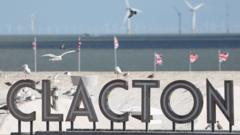
The logistical scale of this election is unprecedented. The ballot paper for Clacton will feature the highest number of candidates ever recorded in British electoral history, presenting voters with an unusually complex choice. This surge in candidacies reflects the fragmented nature of the current political landscape and the intense scrutiny surrounding the seat. While the town of Clacton gives its name to the constituency, the area encompasses a diverse geography including rural villages, extensive farmland, and several seaside communities such as Jaywick, Frinton, and Walton-on-the-Naze. This geographic variety contributes to a mix of concerns that differ from those found in more urbanized centers.
For many residents, particularly those who have migrated from east London, the state of the National Health Service is a primary driver of political engagement. The Parmenter family, who recently moved to the area from Hornchurch, cited their experiences with hospital care as a decisive factor. Debbie Parmenter described spending nights in corridors waiting for treatment before being moved to rooms with only chairs, highlighting the severe strain on medical facilities. Her son Nick noted that hospitals appear overwhelmed and emphasized that voters prefer political focus and funding directed toward fixing NHS wait times rather than other priorities.
Immigration remains another dominant theme in local discourse, though perspectives vary among residents. Pete Parmenter indicated that while he does not support removing all immigrants, he believes greater control over immigration levels is necessary and will influence his voting decision. Clyde Ellis-Hall, a taxi driver in Clacton, expressed a desire for Britain to maintain its traditional character, noting significant changes in major cities like London, Manchester, and Birmingham. He emphasized the importance of preserving the cultural environment in which he was raised for future generations, reflecting a broader sentiment among some constituents regarding national identity.
Economic pressures on small businesses are also shaping voter priorities. Glenn White, who has operated a pie and mash shop since 1981, described the current period as the most difficult for running his business. He criticized the standard 20% value-added tax rate, noting that the government collects more than one pound in tax for every meal sold. White advocated for a reduction in VAT for hospitality businesses, similar to the temporary cut to 5% implemented during the pandemic. He compared the situation unfavorably with France, where restaurants pay lower VAT rates, arguing that British taxpayers do not see sufficient returns in local infrastructure maintenance such as pavement repairs and weed control.
The demographic profile of Clacton adds further complexity to the political calculus. The average age of residents is 50, which is ten years older than the national average for England. Additionally, a third of the working-age population is economically inactive, a figure significantly higher than the regional average for the East of England. One in four residents has a disability, compared to 17% nationally, and 20% of neighborhoods in the Tendring district are classified as highly deprived, with most concentrated around Clacton and Jaywick. These statistics suggest that social welfare and economic support systems are critical issues for a large portion of the electorate.
Despite these challenges, social care has received limited attention from the 34 candidates running in the election. Rahul Jagota, a care home owner, pointed out that the health and social care sector employs approximately 4,500 people in the constituency, making it the largest local economy. He argued that politicians should discuss social care more prominently, given its economic importance and the high number of residents with disabilities. The disconnect between the sector's size and its political visibility suggests a gap in campaign messaging that may resonate with voters dependent on these services.
As the election approaches, the interplay between national political figures and local grievances defines the stakes for Clacton. The record number of candidates offers voters a wide array of choices, but the core issues remain consistent: improving healthcare access, managing immigration, reducing business taxes, and addressing social care needs. The outcome will not only determine the next MP but also signal how effectively various political platforms address the specific socioeconomic realities of this coastal constituency.
Sources behind this briefing
Go to the original reporting
- BBC News↗What do Clacton voters want from their next MP?

