The short version
- A civilian intervened to stop a shooter at an Oregon elementary school, marking a rare instance in historical data where a non-law enforcement adult ended the attack before police arrival.
- Criminologists emphasize that while physical barriers like locked doors provide critical time, they are not primary prevention tools and often fail against determined intruders who force entry.
- Data indicates that teenage shooters typically acquire weapons from family members or homes, suggesting that secure storage is a highly effective yet underutilized safety measure.
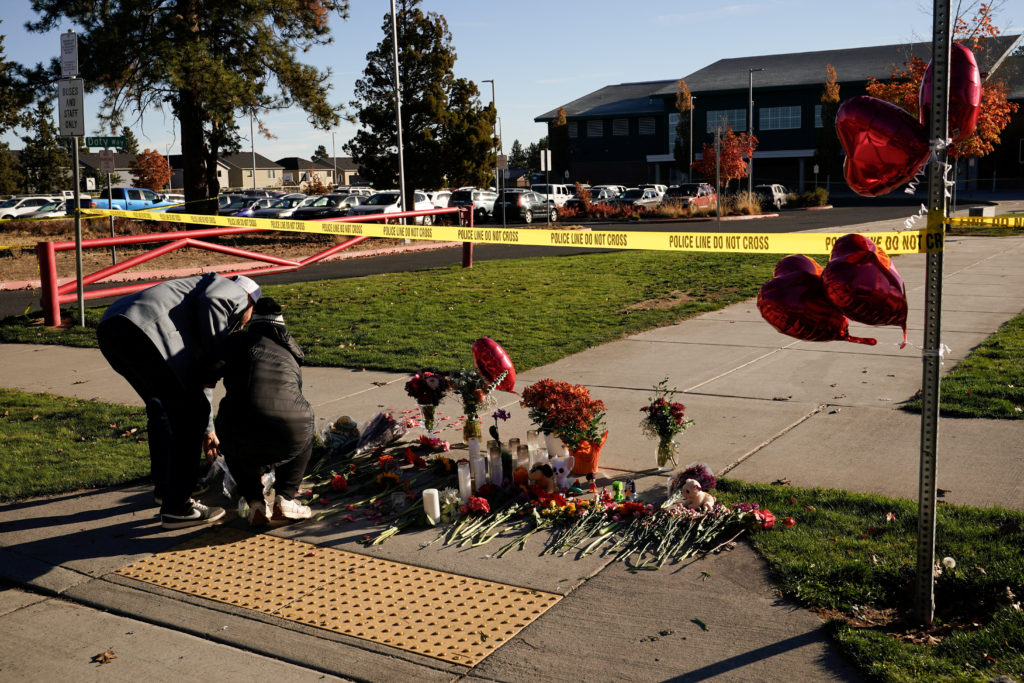
A deadly shooting at an elementary school in Bend, Oregon, has drawn attention to the unusual circumstances surrounding its conclusion. In a departure from typical patterns observed in school violence, a civilian intervened to stop the attacker before law enforcement arrived on the scene. This event has prompted experts to reevaluate the balance between immediate response tactics and long-term prevention strategies. The incident underscores the complex reality of school safety, where heroic actions can mitigate harm but do not eliminate the underlying risks that allow such tragedies to occur in the first place.
James Densley, a criminology professor and co-founder of the Violence Prevention Project, noted that this case is statistically unique within their database of nearly 400 school homicides spanning 26 years. Historically, when attacks are halted prior to police arrival, it is usually due to the actions of teachers, coaches, custodians, or students who physically tackle the shooter. In this instance, a father with two daughters enrolled at the school ran toward the gunfire and shot the attacker. While such bravery is commendable, Densley cautioned against viewing it as a replicable solution. The intervention occurred after four people were already dead within three minutes of the attack beginning.
The sequence of events reveals significant vulnerabilities in physical security measures. Although the school had invested in security infrastructure, including locked doors, the shooter managed to force entry by shooting through them. Densley explained that while locks are designed to buy time and save lives, they represent a final line of defense rather than a primary preventive measure. In most cases recorded in their database, shooters do not force their way into schools; however, when they do, it is often because they are former students familiar with the building layout and prepared for resistance. By the time an intruder is breaching doors, earlier opportunities for intervention have likely been missed.
The source of the weapon remains under investigation, though reports indicate the shotgun belonged to the shooter’s mother. This detail aligns with broader trends identified in mass shooting data involving teenage perpetrators. Whenever the origin of a firearm is known in cases involving minors, the weapon almost invariably comes from within the home, typically belonging to parents or grandparents. Because children are legally prohibited from purchasing firearms, they rely on access to household weapons. This pattern highlights a critical area for intervention that lies outside the school environment entirely.
Experts argue that securing firearms at home is one of the most cost-effective safety measures available. A lockbox or safe costs only a few hundred dollars and places responsibility directly with gun owners rather than relying on institutional security protocols. Densley urged parents to assess whether their children could access their weapons if they attempted to do so. If the answer is affirmative, immediate action is necessary. The legal landscape is also shifting, with recent cases in Michigan and Georgia resulting in negligence charges against parents who failed to secure firearms used by their children in violent incidents.
The distinction between stopping a shooter and preventing a shooting is central to the ongoing debate about school safety. While the father’s actions prevented further casualties, they did not prevent the initial violence or the deaths that occurred before his intervention. Densley emphasized that the goal of prevention should be to eliminate the need for such heroic interventions altogether. This requires addressing warning signs weeks or months before an attack occurs, rather than relying on last-minute physical barriers or reactive measures. The focus must shift from containment to early identification and support.
The community in Bend is grappling with the profound emotional impact of the tragedy. The youngest victim was five years old, a detail that has intensified the grief felt by families and residents alike. Densley described such events as every parent’s worst nightmare, noting that the trauma will likely persist for years. As investigations continue, questions remain about how the shooter obtained ammunition and the specific timeline of events leading up to the attack. These unanswered details underscore the complexity of addressing school violence, which requires a multifaceted approach combining physical security, responsible gun ownership, and proactive mental health support.
Moving forward, policymakers and educators must consider the limitations of current security investments. While locked doors and armed guards may provide a sense of safety, they do not address the root causes of youth access to firearms or the early warning signs of potential violence. The Bend shooting serves as a stark reminder that prevention efforts must begin long before an attacker reaches the school grounds. By focusing on secure storage at home and early intervention strategies, communities can reduce the likelihood of such tragedies occurring in the future.
Sources behind this briefing
Go to the original reporting
- PBS NewsHour↗What makes the Oregon school shooting different – and what can be learned