The short version
- Harmeet Dhillon has resigned as Assistant Attorney General leading the Civil Rights Division, becoming the first high-ranking official to leave following the historic Republican defeat in the 2026 midterm elections.
- During her tenure, Dhillon significantly altered the division's focus by dropping numerous discrimination cases involving racial minorities while aggressively pursuing litigation against universities and state governments.
- Her leadership was marked by controversy, including a massive exodus of career lawyers, consistent legal defeats in voter roll lawsuits, and allegations from whistleblowers regarding predetermined investigation outcomes.
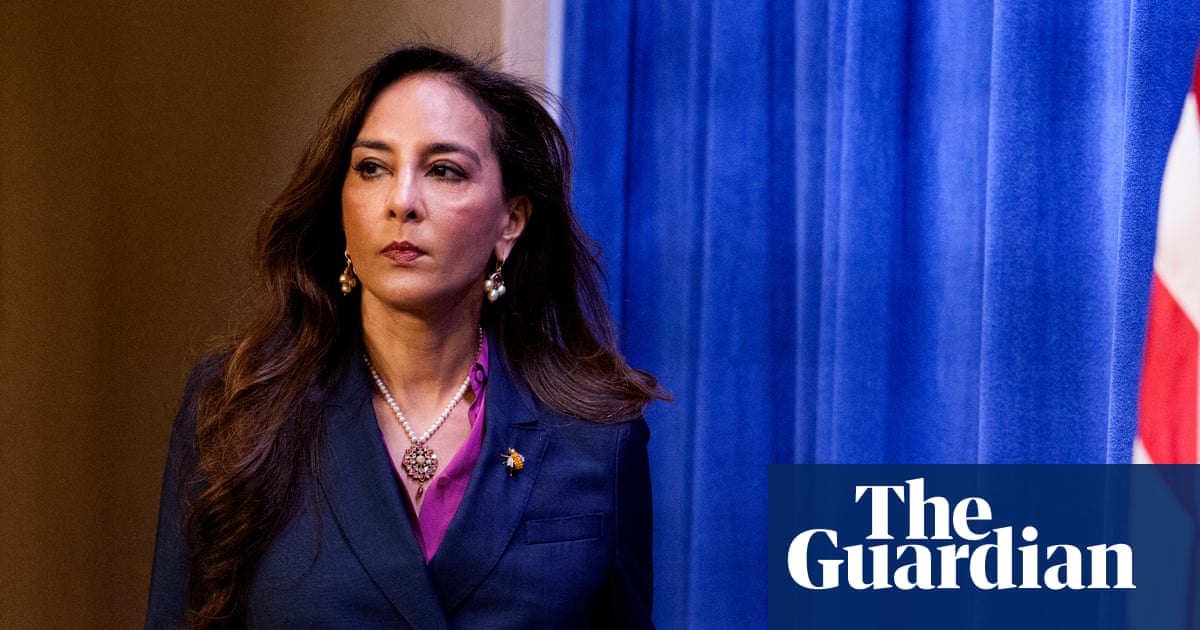
Harmeet Dhillon has stepped down as the head of the Justice Department’s Civil Rights Division, marking a significant personnel shift in the wake of the recent midterm elections. Her resignation makes her the first high-level official within the department to leave her post after Democrats secured control of Congress. Attorney General Todd Blanche announced the departure on social media, praising Dhillon for leading the division with conviction over the past eighteen months and noting that she enforced the law without fear or favor.
The timing of the exit is widely viewed as a direct consequence of the political landscape change. With Democrats now holding congressional power, expectations are high that they will launch aggressive investigations into executive agencies, including the Justice Department. Dhillon’s departure signals an early adjustment within the administration as it anticipates increased scrutiny from legislative oversight committees.
Dhillon’s tenure was characterized by a dramatic reorientation of the division’s traditional mission. Under her leadership, the office moved away from protecting the civil rights of racial minorities in areas such as voting, housing, employment, and education. Many cases alleging discrimination against these groups were dropped. Instead, the division focused heavily on claims of discrimination at universities, particularly regarding admissions practices and allegations of antisemitism against Jewish students.
This strategic pivot drew sharp criticism from former employees and legal observers. Stacey Young, a former civil rights division lawyer who now leads Justice Connection, described Dhillon as the most destructive head of the division in its history. Young alleged that career civil servants were instructed to target vulnerable communities rather than protect them, leading to an exodus where more than three-quarters of the division’s lawyers departed. This mass departure resulted in a significant loss of institutional expertise in civil rights enforcement.
Legal challenges also plagued Dhillon’s leadership. The division sued more than two dozen states for voter roll information but lost every single case. Notably, several of the judges who ruled against the department were appointed by Donald Trump, suggesting that the legal arguments presented did not withstand judicial scrutiny even from sympathetic benches. Critics argued that these lawsuits were spurious and rarely successful in court.
Internal operations within the division faced allegations of misconduct. A whistleblower claimed that investigations into universities were conducted with predetermined outcomes, with lawyers instructed to find reasons to file lawsuits regardless of merit. Additionally, Dhillon’s public behavior drew attention for violating longstanding departmental norms. She frequently discussed ongoing civil rights investigations on social media, a practice that startled veteran lawyers accustomed to strict confidentiality protocols.
Dhillon’s public persona included controversial language and conduct. She has publicly used slurs against people with disabilities, a group whose civil rights her division is mandated to protect. She also referred to conservative influencers using derogatory terms. Her background includes growing up in North Carolina after being born in India and living in the UK and New York. She has previously described herself as an outsider who does not care what others think of her.
Before joining the government, Dhillon ran her own law firm and served as vice-chair of the California Republican Party. Following the 2020 election, she worked on lawsuits contesting the results. Her departure leaves a vacuum in leadership at a critical juncture for the Justice Department, as new congressional leaders prepare to examine the department’s recent actions and priorities.
The resignation sets the stage for potential changes in how civil rights cases are handled federally. With the loss of experienced staff and a shift in political oversight, the next administration or appointees will face the task of rebuilding the division’s capacity and restoring its traditional focus on protecting minority rights. The coming months will likely see increased legislative activity aimed at understanding the scope of Dhillon’s impact on federal civil rights enforcement.
As the Justice Department navigates this transition, the broader implications for civil liberties remain uncertain. The combination of staff turnover, legal setbacks, and political pressure creates a complex environment for future leadership. Observers will be watching closely to see how the new congressional majority influences the direction of civil rights policy and whether the department can regain stability after a period of significant disruption.
Sources behind this briefing
Go to the original reporting
- The Guardian US Politics↗Harmeet Dhillon, controversial head of DoJ’s civil rights division, steps down