The short version
- Volunteers used ancient hikiya techniques to move the 360-tonne structure over two meters closer to its original foundation.
- The relocation is part of extensive repairs necessitated by earthquake damage to a supporting wall, with full restoration expected to take until 2033.
- Public interest exceeded capacity significantly, with thousands applying for limited slots in this community-focused preservation project.
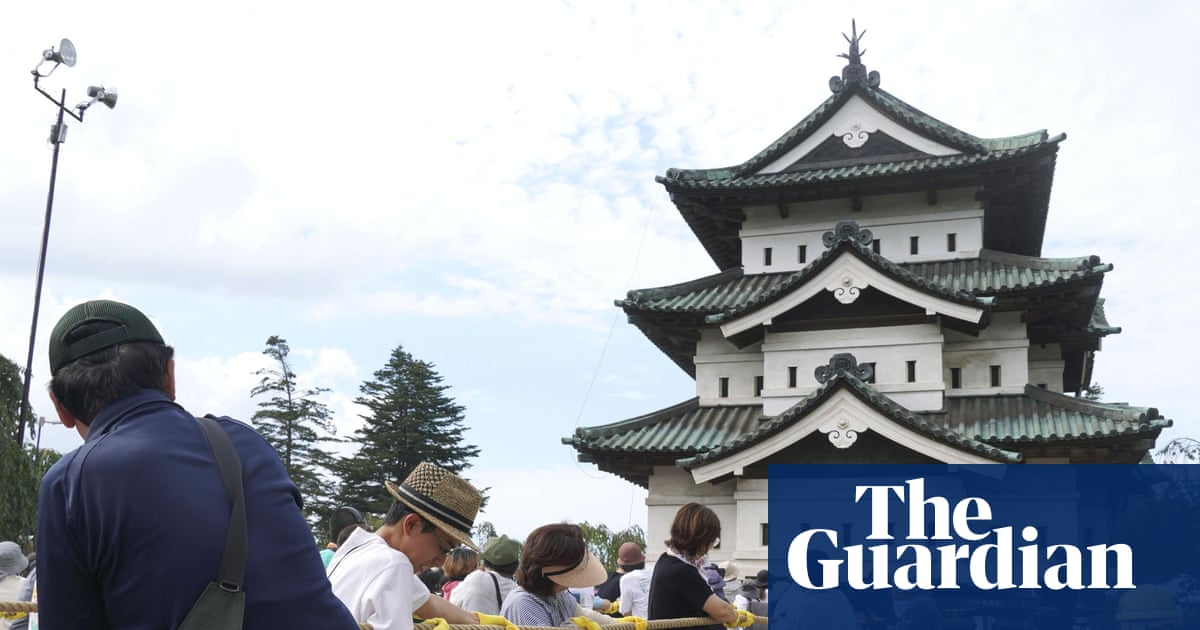
A significant phase of the ongoing restoration at Hirosaki Castle in Aomori prefecture concluded over a recent weekend as approximately 1,800 individuals manually relocated the historic keep. The effort involved moving the 360-tonne structure more than two meters toward its original foundation using ropes and rollers. This manual relocation represents a deliberate choice to preserve the integrity of the building without dismantling it, utilizing a traditional method known as hikiya that has roots in ancient Japanese construction practices.
The operation required rotating teams of eighty people to pull thirty-meter ropes while chanting rhythmic commands to coordinate their efforts. On Saturday, participants shifted the keep 1.13 meters, followed by an additional 1.09 meters on Sunday. The structure had been placed on rails to facilitate this movement, allowing the heavy timber and stone edifice to glide across the ground with reduced friction. This hands-on approach contrasts sharply with modern construction methods that typically rely entirely on heavy machinery for such massive displacements.
The necessity for this relocation stems from damage sustained by a supporting wall during a major earthquake. Officials had previously completed the repair of this wall in December 2024, restacking all 2,185 stones to their original positions. With the structural support stabilized, the focus shifted to returning the keep to its proper alignment. The manual pulling is intended to cover only a small portion of the total distance required; approximately five meters will be moved by human power, while the remaining seventy-three meters will be handled by machinery later in the year.
Public engagement with the project has been exceptionally high, reflecting a strong desire among citizens to participate directly in heritage conservation. City officials reported receiving roughly 8,000 applications for the 1,800 available slots over the two-day event, making the program four times oversubscribed. Applicants came from across Japan as well as from overseas regions including Southeast Asia, Europe, and North America. This widespread interest underscores the symbolic value of the castle to both local residents and international visitors who view the site as a cultural landmark.
Hirosaki Castle holds a unique position in Japanese history as one of only twelve remaining original castle keeps in the country and the sole survivor in the northeastern Tohoku region. The current structure dates back to 1810, having been rebuilt after the original keep was destroyed by fire in 1627 following a lightning strike that ignited a gunpowder store. As the seat of the Tsugaru clan, the castle has served as a center of regional power and culture for centuries, now functioning primarily as a major tourist attraction that draws about two million visitors annually during cherry blossom season.
The use of hikiya for this specific project marks a notable departure from standard renovation protocols. While the technique itself is ancient, its application to move a castle keep has not been seen in a century. In 2015, the city first invited public participation in a similar effort, establishing a precedent for citizen-driven preservation work. This recent event continues that tradition, allowing volunteers to connect physically with the history of the site rather than observing repairs from behind barriers.
Participants expressed deep emotional connections to the process, with some returning after previous involvement in 2015. One volunteer who traveled from Hiroshima noted the rarity and significance of having the opportunity to pull a castle by hand, describing the experience as moving and fantastic. These personal accounts highlight how the project serves not just as a construction task but as a community-building exercise that fosters a shared sense of stewardship over national cultural properties.
Looking ahead, the manual pulling phase is scheduled to conclude by the end of August, with about 4,100 people expected to participate in total. Once the keep reaches its original base, comprehensive preservation work will begin on the structure itself. The entire building will be covered to protect it during these extensive repairs. Consequently, the keep will remain inaccessible to tourists for several years, with officials estimating a reopening date of 2033. This timeline reflects the complexity and care required to maintain such a historically significant site.
The broader implications of this project extend beyond immediate structural repairs. By integrating public participation into the restoration process, Hirosaki City has demonstrated an innovative approach to heritage management that balances technical necessity with community engagement. The success of this initiative may influence how other historic sites handle future renovations, potentially encouraging more interactive and transparent preservation strategies across Japan.
As the machinery takes over for the final stages of relocation, the human element of the project will fade into history, much like the ancient techniques used to move the keep. However, the memory of thousands pulling together to save a piece of their cultural heritage will likely endure. The eventual reopening in 2033 promises to reveal a restored landmark that stands as a testament to both historical resilience and modern collaborative conservation efforts.
Sources behind this briefing
Go to the original reporting
- The Guardian US↗Japan enlists 1,800 people to drag a 360-tonne castle keep using ropes and rollers

