The short version
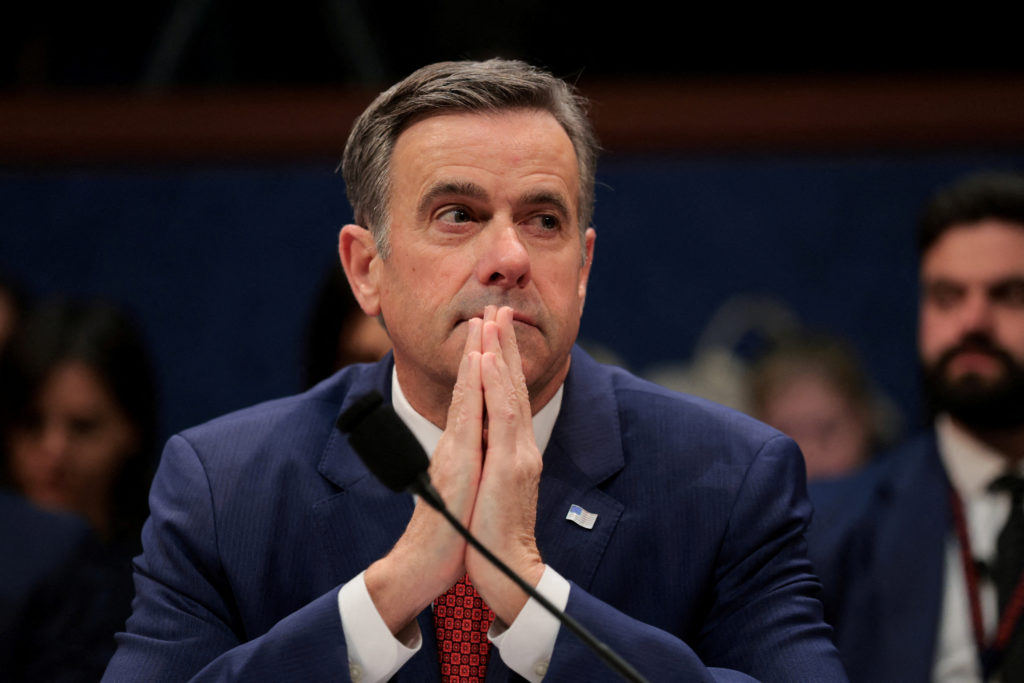
- CIA Director John Ratcliffe held undisclosed talks with Russian intelligence counterparts in Moscow, a rare engagement during ongoing hostilities.
- The Kremlin confirmed the meeting but denied contact with President Putin, while the White House characterized the trip as routine despite its secretive nature.
- U.S. officials requested Ukraine pause strikes on specific Russian cities during the visit, though attacks elsewhere continued and peace negotiations remain deadlocked.
A covert diplomatic channel between Washington and Moscow remained active this week when CIA Director John Ratcliffe traveled to the Russian capital for talks with his intelligence counterparts. The Kremlin confirmed the encounter on Wednesday, describing it as a rare and secretive engagement occurring at a time when official relations between the two nations remain severely strained due to Russia’s ongoing war in Ukraine. While the visit underscores the persistence of backchannel communications even during periods of intense geopolitical conflict, details regarding the specific agenda or outcomes of the discussions have not been disclosed.
Kremlin spokesman Dmitry Peskov stated that President Vladimir Putin was immediately informed of the contacts, which took place strictly at the intelligence agency level. Peskov emphasized that Ratcliffe did not meet with the Russian president. The spokesperson characterized such interactions as a positive phenomenon but cautioned that broader U.S.-Russia relations remain in a profound crisis. He added that it is too early to determine whether this specific visit will have any tangible impact on bilateral ties or the trajectory of the war.
In Washington, President Donald Trump sought to downplay the significance of the trip. Appearing on a conservative radio show, he described the engagement as sort of semi-routine and expressed regret that it might disappoint those expecting more dramatic diplomatic breakthroughs. This characterization contrasts with assessments from security experts who note that such high-level intelligence meetings do not occur annually and are typically reserved for matters of pressing national security interest.
Logistical details of the visit were sparse but indicated a swift operation. Russian state news agencies reported that a U.S. military aircraft landed at Moscow’s Vnukovo airport on Tuesday and departed later that same day. The brevity of the stay suggests a focused agenda, likely centered on intelligence sharing or crisis management rather than broad diplomatic negotiation. Experts note that official communication channels between Moscow and Washington have been maintained since the 1980s to facilitate dialogue when lives are at risk or other urgent issues arise.
The visit coincided with specific operational adjustments by Ukrainian forces. A senior Ukrainian official told The Associated Press that Washington informed Kyiv of the delegation’s travel plans and requested a suspension of strikes on Moscow, St. Petersburg, and some northern regions while the Americans were present. The official clarified that this request did not apply to all Russian territory, and strikes on other parts of the country continued uninterrupted. This temporary pause highlights the delicate coordination required to protect diplomatic envoys without compromising military objectives.
Historical context suggests these meetings carry significant weight despite their low profile. In 2021, then-CIA Director William Burns met with Nikolai Patrushev, secretary of Putin’s Security Council, in Moscow months before the full-scale invasion began. Later that year, Burns met with Sergei Naryshkin, head of Russia’s foreign intelligence agency, in Turkey to warn against nuclear deployment in Ukraine. Andrei Soldatov, an expert on Russian security services, noted that such visits normally occur only when there is a matter of pressing national security and when it aligns with American national interests.
Broader diplomatic efforts to negotiate a peace deal have largely stalled. U.S. attention has shifted partially toward its conflict with Iran, while both Moscow and Kyiv have escalated long-range attacks against each other. President Putin has rejected Ukrainian President Volodymyr Zelenskyy’s push for an immediate ceasefire, arguing instead for a comprehensive settlement rather than a temporary truce. The complexity of the situation is further compounded by Russia’s evolving relationships in the Middle East.
Russia’s role in regional conflicts adds another layer to the diplomatic landscape. Moscow has proposed mediating in the war between the U.S., Israel, and Iran. While Russia has deepened ties with Tehran through drone technology and a comprehensive strategic partnership treaty signed in January 2025, it has also maintained friendly relations with Israel. Intelligence reports indicate that Russia provided Iran with information potentially useful for striking U.S. military assets, though officials caution there is no evidence Moscow is directing Tehran’s actions. This multifaceted foreign policy underscores the intricate web of alliances and rivalries influencing current diplomatic maneuvers.
As the war in Ukraine drags on, the significance of Ratcliffe’s visit remains ambiguous. It serves as a reminder that even amidst Cold War-level tensions, backchannels remain open for critical communication. However, without a shift in strategic posture from either Moscow or Kyiv, these intelligence-level contacts are unlikely to produce immediate breakthroughs in peace negotiations. The coming weeks will reveal whether this engagement marks the beginning of renewed diplomatic momentum or merely another routine maintenance of fragile lines of communication.
Sources behind this briefing
Go to the original reporting
- PBS NewsHour↗The Kremlin says the CIA director held talks in Moscow with his intelligence counterparts

