The short version
- Christopher Kane has been appointed creative director of Mulberry, signaling a renewed commitment to high-fashion ambition for the struggling heritage brand.
- Mulberry reported a twenty-three percent sales increase in the first quarter, driven by new leadership and a refocused strategy on British craftsmanship.
- The debut collection blended Kane’s edgy design sensibilities with Mulberry’s leather heritage, featuring motifs inspired by post-industrial Scotland.
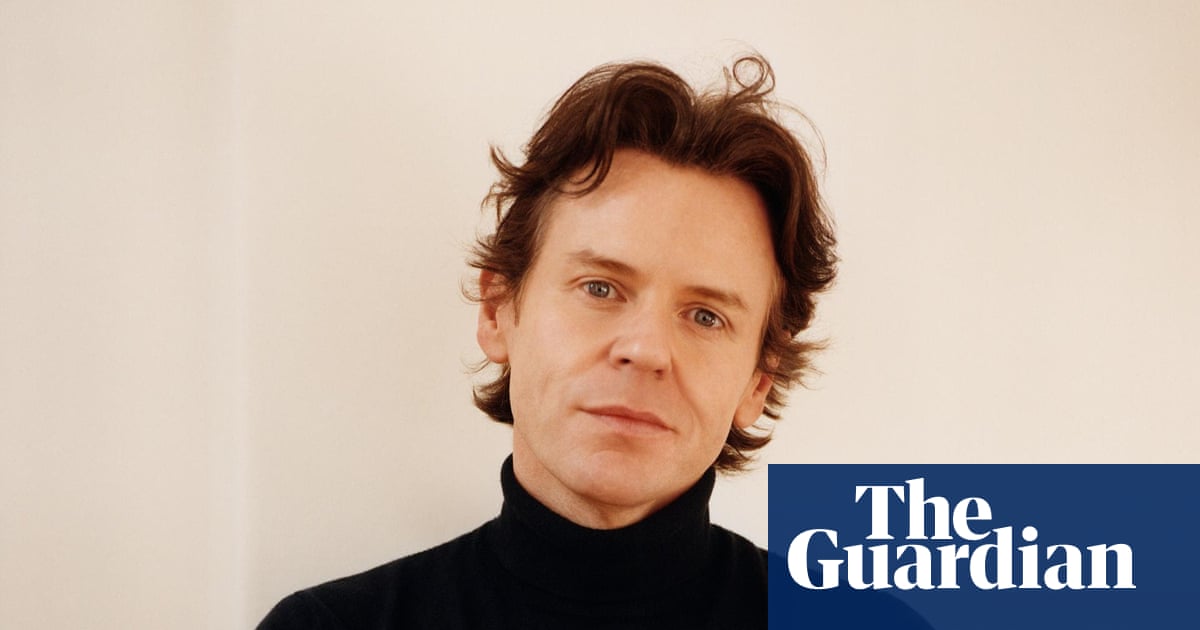
Christopher Kane has officially taken the helm as creative director for Mulberry, marking a significant shift in strategy for the historic British label. The appointment arrives after a period of financial instability for both entities, with Kane having placed his own eponymous brand into administration in 2023 following pandemic-related hardships. Meanwhile, Mulberry faced its own challenges, including misfiring price increases and a failed takeover bid that saw profits decline sharply. This collaboration represents an attempt to merge Kane’s avant-garde reputation with Mulberry’s established commercial base.
The partnership was showcased during London Fashion Week through a collection that deliberately bridged the gap between two distinct brand identities. On paper, the union appears unconventional; Mulberry is traditionally associated with understated, practical accessories manufactured in Somerset factories, while Kane built his career on provocative, party-ready designs influenced by his upbringing in Glasgow. The resulting presentation featured leather sheath dresses and car coats that honored Mulberry’s material legacy, alongside more daring elements such as heeled loafers equipped with miniature axes.
A central theme of the debut collection was the reinterpretation of Mulberry’s iconic Bayswater bag hardware. Kane transformed the castellated leather flaps known for their postman’s locks into notched hems and necklines for garments. This design choice served as a visual anchor, connecting the brand’s most recognizable commercial assets with high-fashion silhouettes. The aesthetic was described as punchy and full-throttle, aiming to inject serious style ambition into a label that had previously struggled to define its creative direction beyond accessory sales.
Financial indicators suggest the strategic pivot is already yielding results. Under new executive leadership, Mulberry has emphasized Britishness and artisanal craft, contributing to a twenty-three percent rise in sales during the first quarter of the year. This growth provides a stable foundation for Kane’s artistic experimentation, offering him a platform that his independent label could no longer sustain alone. The synergy allows the brand to leverage its heritage while appealing to a demographic seeking more expressive fashion statements.
Kane framed the collection around the concept of town, city, and country, drawing inspiration from the bleak, post-industrial landscapes of Scotland. Color palettes reflected grey concrete and coalminer orange, while soft plaid checks introduced rustic textures. He explicitly stated a desire to redefine Britishness as something that extends beyond London-centric narratives. This geographic and cultural broadening aligns with Mulberry’s roots in regional manufacturing, potentially strengthening the brand’s authenticity among consumers who value provenance.
The event took place against a backdrop of renewed optimism for the broader London fashion scene. Other designers also demonstrated strong creative confidence during the week. Simone Rocha drew inspiration from an unknown Caravaggio painting to create intricate dresses featuring silk roses, while Erdem looked to Barbette, a 1920s trapeze artist, for avant-garde silhouettes veiled in crystals. These presentations highlighted a trend toward finding beauty in unexpected or historical references, mirroring Kane’s approach to reimagining Mulberry’s classic elements.
Logistical constraints influenced how other designers presented their work, reflecting ongoing industry adjustments. Emilia Wickstead, noting she was outgrowing her usual boutique space, opted for filmed screenings rather than a live runway. This allowed for elaborate set designs involving interwoven pastel rooms that would have been physically impossible or too costly to construct in person. Similarly, Edeline Lee utilized a school sports hall in north London to showcase dance-inspired pieces modeled by Royal Ballet artists, emphasizing adaptability in presentation formats.
Looking ahead, the success of Kane’s tenure will likely depend on his ability to balance artistic innovation with commercial viability. Mulberry’s recent sales growth indicates that consumers are responding positively to the renewed focus on craft and identity. However, integrating a designer known for provocative, niche aesthetics into a brand reliant on staple accessories requires careful navigation. The industry will be watching closely to see if this collaboration can sustain momentum beyond the initial fashion week buzz.
The broader implications of this partnership extend beyond individual brand performance. It signals a potential model for other heritage labels struggling with relevance: partnering with independent designers who bring fresh creative energy while leveraging existing manufacturing infrastructure and brand loyalty. As London Fashion Week continues to rebuild its schedule and confidence, such strategic alliances may become increasingly common as the industry seeks stability in a post-pandemic economic landscape.
Sources behind this briefing
Go to the original reporting
- The Guardian US↗Christopher Kane and Mulberry make swaggering joint comeback at London fashion week

