The short version
- Christa Pike remains hospitalized and unconscious after Tennessee's failed execution attempt involving two doses of pentobarbital.
- Defense attorneys allege IV line failures caused the drug to enter her body rather than her bloodstream, leading to critical illness.
- Governor Bill Lee has ordered an independent review and postponed further executions as legal and medical experts demand accountability.
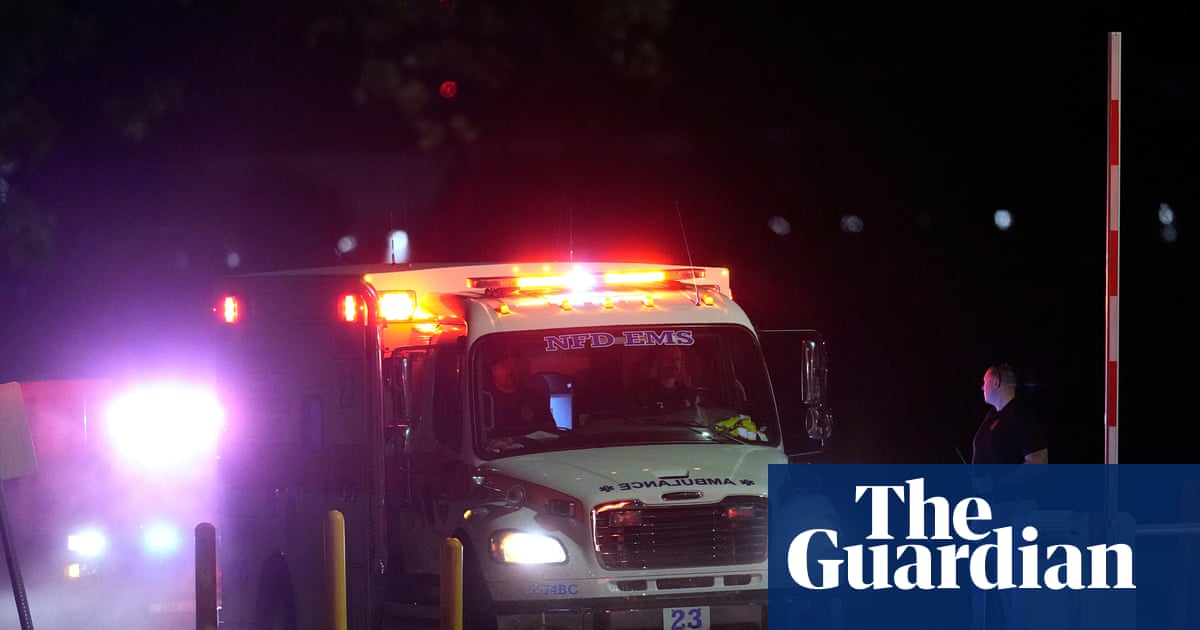
Christa Pike remains hospitalized, unconscious, and dependent on a ventilator following a failed execution attempt by the state of Tennessee, according to a court filing submitted by her attorneys on Friday. The 50-year-old woman was transported from Riverbend Maximum Security Institution in Nashville to a hospital after an hour-long procedure on Wednesday night ended without achieving death. Her legal team stated that medical staff are actively working to save Pike’s life and clear the pentobarbital she received from her system.
The filing provides the first detailed account of the procedural failures that led to Pike’s critical condition. Attorneys allege that problems with intravenous lines caused the lethal drug to flow into Pike’s body tissue rather than her bloodstream. They wrote that execution team members apparently failed to realize the IV lines were incorrectly placed or that veins had blown, allowing the pentobarbital to enter her body in whole or in part. Despite this apparent failure, the team did not remedy the situation but instead prepared and administered a backup set of syringes.
Defense lawyer Randy Spivey described the scene as chaotic, noting that the execution team worked for an hour to administer the drugs. He reported seeing at least seven needles inserted into Pike’s left arm during the attempt. Neither the initial dose nor the backup dose proved effective; Pike was still snoring when the microphone in the execution chamber was cut off more than an hour into the procedure. State officials have not yet offered any public explanation for what went wrong during the administration of the lethal injection.
Pike’s attorneys have described her as critically ill and receiving care for the devastating effects of the Wednesday night events. In a statement reported by NewsNation, they emphasized their commitment to respecting Pike’s wishes and safeguarding her privacy during this difficult time. They asked the public and media to respect that privacy while hospital staff work to stabilize her condition. The legal team also filed a request with a state court ordering the Tennessee Department of Correction to preserve all evidence related to the failed execution.
The preservation of evidence is central to the defense’s strategy moving forward. Attorneys stated that securing these materials is essential for understanding the specific failures, ensuring accountability, and protecting Pike’s legal rights. The incident has reignited intense scrutiny over Tennessee’s execution protocols. Governor Bill Lee has ordered an independent review of the procedures and indefinitely postponed Pike’s execution as well as another scheduled for later this year.
The failed attempt has sparked broader debate regarding the death penalty in the United States. Top lawyers, doctors, and members of the faith community have called for a moratorium on capital punishment following the incident. Republican lawmakers in Tennessee have suggested reviewing whether to stop single-drug lethal injections and consider alternative methods for carrying out death sentences. The case highlights ongoing concerns about the reliability and humanity of execution methods used across the country.
Pike was sentenced to death in 1996 at age 20 for her role in the 1995 murder of 19-year-old Colleen Slemmer. She and her then-boyfriend, Tadaryl Shipp, killed Slemmer at a job training camp in Knoxville. The crime involved significant violence, including a pentagram carved into Slemmer’s chest. Pike was one of the youngest women sent to death row in U.S. history. According to the Death Penalty Information Center, she would have been the first woman executed in Tennessee since 1820.
Following the murder, Pike was diagnosed with bipolar disorder and post-traumatic stress disorder. In a previous petition for clemency, she expressed remorse for her actions, stating it took years to realize the gravity of what she had done. She acknowledged taking the life of someone’s child, sister, and friend, expressing sickness at her own ability to commit such a crime. As she remains in critical condition, the legal and medical implications of the failed execution continue to unfold.
The situation remains unresolved as Pike fights for her life in the hospital. The independent review ordered by Governor Lee will likely examine the technical failures reported by defense attorneys. Meanwhile, the call for a national moratorium on the death penalty gains traction among advocacy groups and medical professionals who cite this incident as evidence of systemic flaws in capital punishment practices. The outcome of Pike’s recovery and the subsequent legal proceedings will have significant implications for future execution protocols in Tennessee.
Sources behind this briefing
Go to the original reporting
- The Guardian US↗Christa Pike remains on ventilator after failed execution in Tennessee
- PBS NewsHour↗Christa Pike on a ventilator and unconscious after failed Tennessee execution, attorneys say
- AP News↗Christa Pike is in critical condition after Tennessee’s failed execution attempt, her lawyers say
/https://tf-cmsv2-smithsonianmag-media.s3.amazonaws.com/filer_public/1a/e7/1ae729d1-7a37-4650-b971-dfdb66c8f7a8/eo_pe_iss062e117852_sm.webp)