The short version
- July industrial output grew by only 4.5 percent year-over-year, missing analyst forecasts and slowing from June's pace.
- Retail sales expanded by a mere 0.6 percent, failing to meet predictions despite summer holiday spending activity.
- Policymakers face mounting pressure to deploy tax cuts and spending initiatives to counter weak domestic consumption.
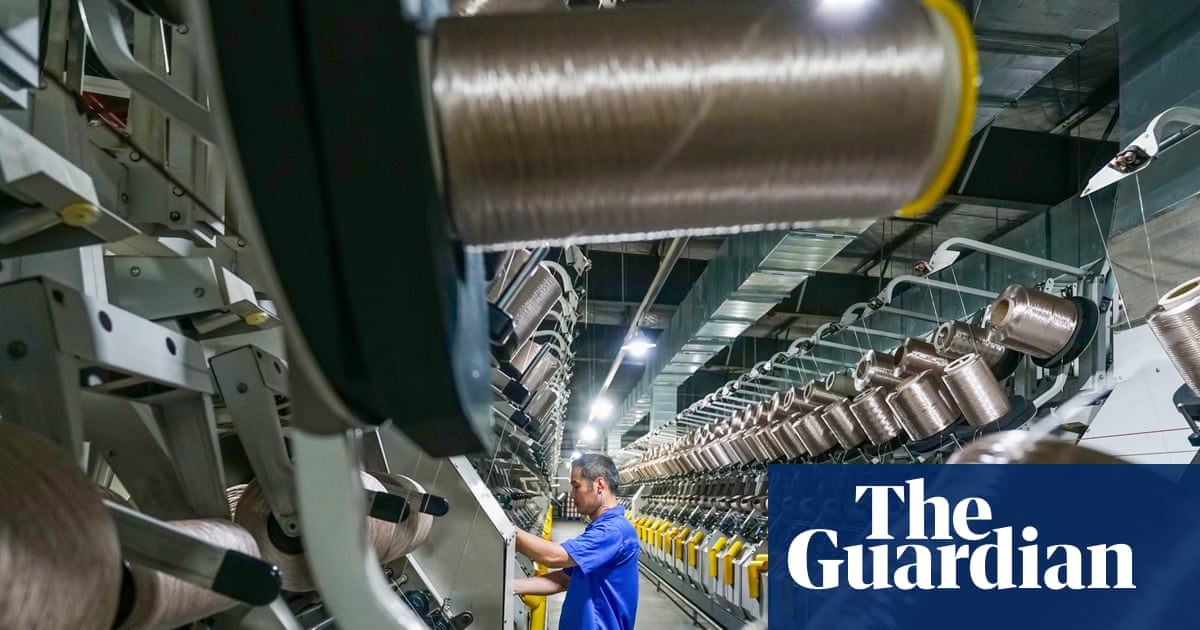
China’s economic expansion continued to lose momentum in July, with key indicators pointing to an extended period of sluggish growth. Official data released by the National Bureau of Statistics revealed that factory output increased by just 4.5 percent compared to the same month last year. This figure fell short of market expectations, which had projected a 4.8 percent rise, and represented a deceleration from the 5.3 percent growth recorded in June.
Consumer spending also showed signs of strain. Retail sales grew by only 0.6 percent in July, a significant slowdown from the 1 percent increase seen in the previous month. Analysts had anticipated a stronger rebound of 1.5 percent, partly driven by summer holiday tourism and related expenditures. The failure of retail figures to meet these projections underscores the persistent challenges facing domestic demand within the world’s second-largest economy.
These latest statistics follow a particularly weak second quarter, during which China posted an annualized growth rate of 4.3 percent for the three months ending in June. This reading was among the lowest quarterly performances on record since Beijing began publishing official GDP data in the early 1990s. The result also missed the government’s broader target range of 4.5 to 5 percent, highlighting the severity of the current economic headwinds.
Authorities have pointed to external factors as partial contributors to the recent downturn. The National Bureau of Statistics noted that extreme weather conditions, including prolonged high temperatures and heavy rainfall, disrupted supply chains and affected market dynamics. These environmental challenges likely played a role in suppressing both industrial production and consumer activity during the month.
Despite these temporary disruptions, the underlying structural issues remain prominent. Premier Li Qiang addressed the situation at a State Council meeting, acknowledging that insufficient domestic demand continues to be a major problem. He noted that many industries and enterprises are facing increasing difficulties, while uncertainties in the external environment continue to rise.
In response to these challenges, government officials are signaling a shift toward stabilizing external demand. Li suggested that efforts to bolster overseas interest in Chinese goods could help offset the weakness at home. This strategy involves expanding mutually beneficial international economic and trade cooperation to promote more balanced trade development.
The disappointing July data is expected to increase pressure on policymakers to accelerate planned interventions. Analysts anticipate that Beijing will move forward with tax reductions and increased government spending to stimulate activity. These fiscal loosening measures are seen as critical for supporting growth in the latter half of the year.
Some experts remain cautiously optimistic about the outlook. Julian Evans-Pritchard, head of China economics at Capital Economics, pointed out that capital expenditure related to artificial intelligence continues to support manufacturing activity. He suggested that the broader weakness may partly reflect temporary weather-related disruptions rather than a permanent structural decline.
Looking ahead, the consensus among analysts is that growth rates should see a modest uptick in the coming months. This expected improvement relies heavily on the implementation of supportive fiscal policies from Beijing. The effectiveness of these measures will be crucial in determining whether the economy can stabilize and return to its targeted growth trajectory.
The current economic landscape presents a complex challenge for Chinese leaders. Balancing the need for immediate stimulus with long-term structural reforms requires careful navigation. As external uncertainties persist and domestic demand remains soft, the success of upcoming policy interventions will be closely watched by global markets and investors alike.
Sources behind this briefing
Go to the original reporting
- The Guardian World↗China’s economy showing signs that slowdown may be extending

