The short version
- China issued warnings regarding Taiwan's presence at the Pacific Islands Forum opening ceremony in Palau.
- Australian and New Zealand leaders emphasized that forum membership rules, not external powers, dictate attendance.
- New Zealand and the United States announced joint funding for infrastructure upgrades in the Cook Islands.
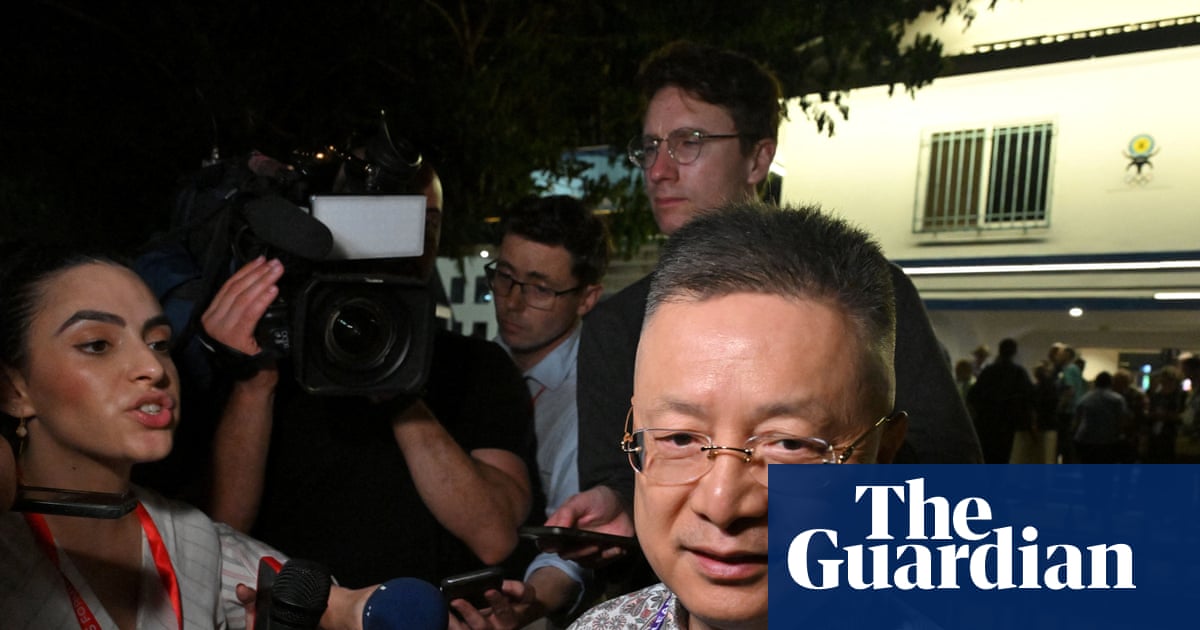
Tensions between Beijing and Taipei have surfaced prominently at the annual Pacific Islands Forum, held this year in Palau. China expressed serious objections after Taiwan participated in the group’s opening ceremony on Monday. Qian Bo, a special envoy for Pacific island affairs representing China, stated that there would always be consequences for such attendance. He characterized the presence as inappropriate and noted that it was objected to by all relevant parties, though he declined to specify what those consequences might entail.
The dispute highlights the ongoing diplomatic friction surrounding Taiwan’s international status. Beijing views the island as an inalienable part of its territory and has increasingly pressured Pacific nations to sever formal ties with Taipei. Currently, only three countries in the region—Palau, Tuvalu, and the Marshall Islands—maintain official diplomatic relations with Taiwan. This shrinking pool of allies underscores the strategic importance of soft power engagements like the forum for maintaining Taiwan’s global visibility.
In response to Chinese objections, leaders from Australia and New Zealand firmly defended the autonomy of the Pacific Islands Forum. Australian Prime Minister Anthony Albanese told reporters that the forum itself determines its proceedings, not external nations. He described the gathering as primarily a meeting of the Pacific family and expressed anticipation for continued engagement. This stance reinforces Canberra’s position that regional institutions should operate independently of outside interference.
New Zealand Foreign Minister Winston Peters echoed this sentiment, asserting that the group does not take instructions from countries outside its membership. Both nations have long viewed the South Pacific as within their sphere of influence and are increasingly wary of Beijing’s expanding footprint in the region. Their comments serve as a diplomatic counterweight to Chinese pressure, signaling support for the forum’s internal governance structures.
Taiwan’s participation was facilitated through its role as a development partner rather than a formal dialogue partner. Foreign Minister Lin Chia-lung attended meetings and side events alongside the main forum proceedings. He stated that Taiwan is honored to serve as a partner in the Pacific, emphasizing collaboration to promote prosperity and peace in the region. While China holds formal dialogue partner status, Taiwan’s inclusion reflects the complex web of relationships within the Pacific community.
The forum brings together eighteen member nations, including Australia, New Zealand, and various Pacific island states. However, several key leaders from Fiji, Vanuatu, Samoa, Solomon Islands, and Kiribati were absent from this year’s gathering. Instead, ministers represented their countries at the meeting. This absence may reflect internal political dynamics or scheduling conflicts, but it also highlights the varying levels of engagement among member states during a period of heightened geopolitical scrutiny.
Beyond the immediate diplomatic spat, the summit revealed broader strategic shifts in the region. In a joint statement released on Tuesday, New Zealand and the United States announced they would jointly fund a major upgrade to a World War II-era port located on a Cook Islands atoll. This infrastructure investment signals a continued effort by Western allies to strengthen security and development ties with Pacific island nations.
Australia, despite being China’s largest trading partner, remains cautious about Beijing’s growing influence in the Pacific. Canberra has stepped up its own security and development initiatives to deter any permanent Chinese military presence in the region. The forum thus serves as a critical arena where competing geopolitical interests intersect, with member states navigating between economic reliance on China and strategic partnerships with traditional allies.
As the discussions continue, the focus remains on regional unity and self-determination. The Pacific Islands Forum aims to demonstrate solidarity among its members while addressing shared challenges such as climate change, economic development, and security. The presence of Taiwan and the subsequent Chinese warnings underscore the delicate balance these nations must maintain in their foreign relations.
Looking ahead, the implications of this year’s forum will likely extend beyond Palau. The decisions made regarding attendance and partnership roles could set precedents for future meetings. Additionally, the joint infrastructure project between New Zealand and the US may encourage similar collaborations, further shaping the geopolitical landscape of the South Pacific in the coming years.
Sources behind this briefing
Go to the original reporting
- The Guardian US↗China warns of ‘consequences’ over Taiwan presence at Pacific Islands Forum

