The short version
- Chinese officials confirmed the authenticity of video evidence showing cabbage vendors using formaldehyde to maintain freshness during transport.
- Police have taken legal action against those involved in Hebei province, while major markets like Beijing's Xinfadi deny receiving contaminated produce.
- The incident has triggered a broader national inspection campaign to trace affected goods and restore consumer confidence in the country's massive vegetable supply chain.
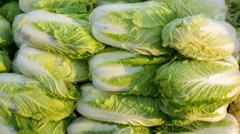
Chinese authorities have initiated a formal investigation into allegations that vendors are using formaldehyde, a chemical classified as a carcinogen, to preserve the freshness of cabbages intended for human consumption. The probe was triggered by video footage released last week by an environmental blogger, which depicted individuals submerging heads of cabbage in a liquid solution before loading them onto transport trucks. Officials in Hebei province, located in northeastern China, have verified the authenticity of this footage and confirmed that the practice violates strict national regulations prohibiting the use of such chemicals in food preservation.
The incident has prompted immediate legal action against the individuals identified in the video. State media reports indicate that police have detained suspects and are working to determine the extent of the operation. Local authorities in Kangbao county, where the footage was reportedly filmed, issued a statement on Saturday asserting that any illegal or non-compliant practices would be dealt with strictly according to the law. The goal is to ensure the safety of the vegetable supply and prevent further violations from occurring within the region.
In response to the growing public concern, officials are conducting spot checks at markets across the country to restore consumer confidence and prevent panic. Chinese state media has emphasized that investigators are working to establish how widespread the practice is and are taking measures to trace any affected vegetables that may have entered the broader supply chain. The swift government response aims to contain the issue before it escalates into a larger public health crisis or significantly damages trust in domestic food safety standards.
Major distribution hubs have moved quickly to distance themselves from the controversy. Xinfadi market, one of the primary sources of fresh produce for Beijing, issued a statement confirming that it had investigated the origin of its cabbage supplies. The market asserted that none of the vegetables treated with formaldehyde had entered its facilities. This assurance is critical given the market's role in supplying the capital city and its influence on national food distribution networks.
The incident has drawn significant media attention within China, sparking debates about regulatory enforcement and ethical standards in the agricultural sector. An editorial in People's Daily condemned the actions of the wholesalers involved, stating that they prioritized immediate economic gains over consumer health and safety. The publication described the behavior as crossing a legal red line and breaching moral boundaries, highlighting the severity with which state media views such violations of food safety protocols.
China is the world's largest producer of cabbages, accounting for nearly half of the global annual total, which exceeds 30 million tons. The majority of this production is exported to neighboring countries in Asia, including Vietnam, South Korea, and Russia. Given the scale of production and the volume of exports, any contamination or safety issue has the potential to impact international trade relations and consumer confidence abroad. The government's emphasis on tracing affected vegetables suggests an awareness of these broader implications.
Formaldehyde is a colorless chemical known to cause cancer in humans when exposed to relatively high quantities, particularly in workplace settings. However, the health effects of exposure to small amounts through food consumption are less clear, according to the American Cancer Society. Despite this uncertainty regarding low-level exposure, the use of formaldehyde in food preservation is strictly prohibited in China due to its known toxicity and potential long-term health risks.
As the investigation continues, authorities face the challenge of balancing thorough enforcement with the need to maintain stability in the food supply chain. The incident underscores the ongoing difficulties in monitoring agricultural practices across a vast and decentralized production network. Future regulatory measures may focus on strengthening oversight at key distribution points and enhancing penalties for violations to deter similar practices in other regions.
The response from both government officials and major market operators indicates a coordinated effort to mitigate the impact of the scandal. By publicly confirming investigations and denying the presence of contaminated goods in major hubs, authorities aim to reassure consumers that the food supply remains safe. The outcome of this probe will likely influence future regulatory policies and enforcement strategies related to food safety in China's agricultural sector.
International observers may watch this case closely as an indicator of how China handles food safety incidents with potential global repercussions. Given the country's dominant position in cabbage production, any systemic issues could affect export markets and trade dynamics in Asia. The transparency of the investigation and the effectiveness of the containment measures will be key factors in determining the long-term impact on consumer trust and regulatory compliance.
Sources behind this briefing
Go to the original reporting
- BBC World↗China probes use of formaldehyde to keep cabbages fresh

