The short version
- Most wealthy Chinese families lack formal legacy plans, with only a small fraction of private firms successfully transitioning to second-generation management.
- Heirs cite the difficulty of inheriting informal social networks and personal relationships that were central to their parents' business success.
- Economists warn that failed transitions could erode the value of companies contributing significantly to China's GDP and tax revenue.
A quiet but significant shift is underway in China’s private sector, where the children of successful entrepreneurs are increasingly reluctant or unable to assume control of family-owned manufacturing businesses. This trend poses a potential risk to an economic model that has long relied on small, family-run enterprises to drive growth and innovation. As the generation that built these companies from the ground up begins to retire, questions about leadership continuity are becoming more urgent.
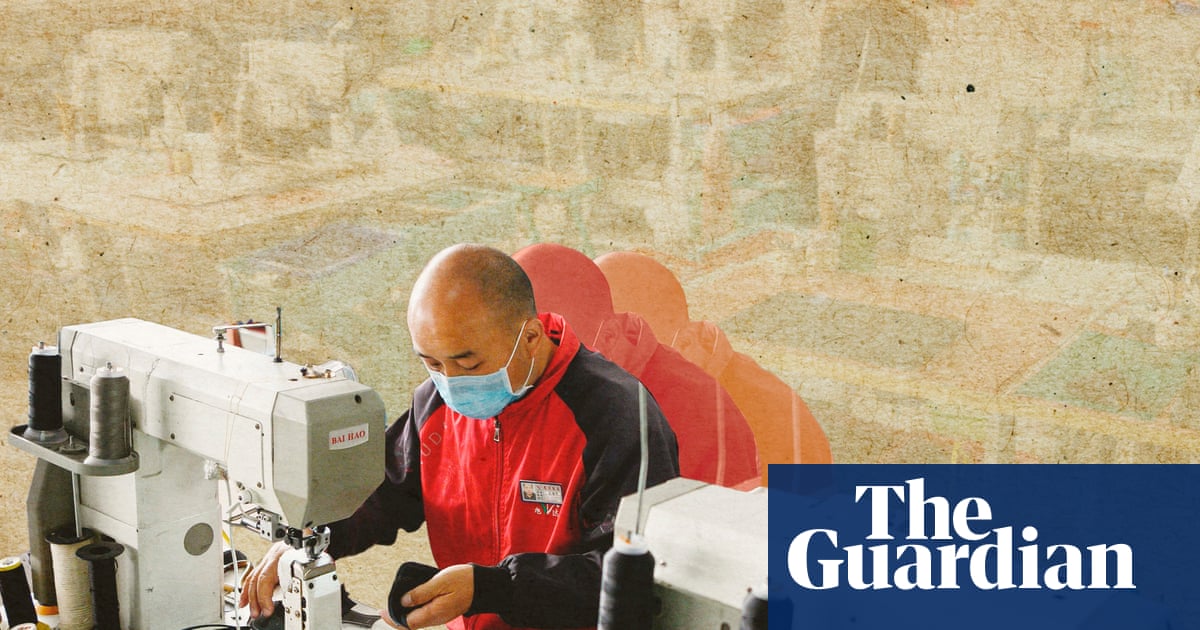
The foundation of this economic structure is often traced back to models like the one seen in Wenzhou during the 1980s. In cities like Wenzhou, families operated workshops out of their homes, producing goods such as leather shoes by hand. These operations grew into larger factories, securing financing through personal connections and operating with a flexibility that allowed them to thrive in competitive markets. This bottom-up approach became a hallmark of China’s economic expansion.
However, the transition of power within these firms is proving difficult. Many second-generation heirs feel unprepared to manage the complex web of interpersonal relationships and financial ties that underpin their parents' success. Unlike tangible assets such as property or cash, the informal networks and institutional knowledge that drive these businesses are not easily transferable. Heirs often find themselves inheriting titles without the practical means to maintain operations.
Experts note that while ownership can be legally transferred overnight, the operational reality is far more nuanced. One academic described these companies as resembling personal belongings rather than formal corporate entities on paper. The founder’s instincts, experience, and deep-rooted connections with suppliers and clients are embedded in their individual leadership styles. When a new leader takes over, they must rebuild these networks from scratch, often finding that key personnel have already departed.
Data supports the perception of a widespread succession gap. Research indicates that a majority of wealthy Chinese individuals do not have established legacy plans for their businesses. In a specific study of private companies, only a tiny percentage were reported to be managed by the second generation. This lack of preparation suggests that many families are approaching retirement without clear strategies for maintaining business continuity.
The reluctance among heirs is driven by more than just a lack of interest. Many young people express anxiety about the responsibilities involved in managing family firms. They recognize that inheriting wealth comes with significant burdens, including navigating complicated paperwork and maintaining delicate social obligations. Some view the prospect of taking over as overwhelming, preferring to pursue careers in different sectors where they can build their own identities rather than stepping into pre-established roles.
The economic implications of this trend are substantial. Private sector businesses contribute more than half of China’s tax revenue and account for a large portion of its gross domestic product. If thousands of these firms struggle during leadership transitions, the cumulative effect could dampen future growth. The loss of embedded capabilities, such as supplier relationships and industry know-how, may lead to decreased efficiency or even closure for some companies.
Despite the challenges, some heirs remain open to eventually taking over, acknowledging that they need more time to develop the necessary skills. They recognize that while financial assets can be inherited, the operational expertise required to run a business cannot be simply handed down. The path forward likely involves a gradual transfer of responsibilities and a reimagining of how these family enterprises operate in a modern economic landscape.
As China’s economy continues to evolve, the ability of private businesses to adapt will be crucial. The current succession crisis highlights the limitations of relying on informal networks and personal relationships for long-term stability. Moving forward, families may need to adopt more formalized management structures and invest in training the next generation to ensure that these vital contributions to the economy endure beyond the founding era.
Sources behind this briefing
Go to the original reporting
- The Guardian US↗China’s succession crisis: a generation of entrepreneurs is retiring, but are their children ready to take over?