The short version
- Chinese officials rejected allegations that they used a business associate of Nvidia CEO Jensen Huang to gather intelligence, labeling the reports unsubstantiated smears.
- Nvidia initiated an independent investigation into potential foreign intelligence targeting after Huang acknowledged an affair with a former executive linked to chip exports.
- The controversy highlights ongoing tensions regarding U.S. export controls on advanced semiconductor technology and Beijing’s access to critical computing hardware.
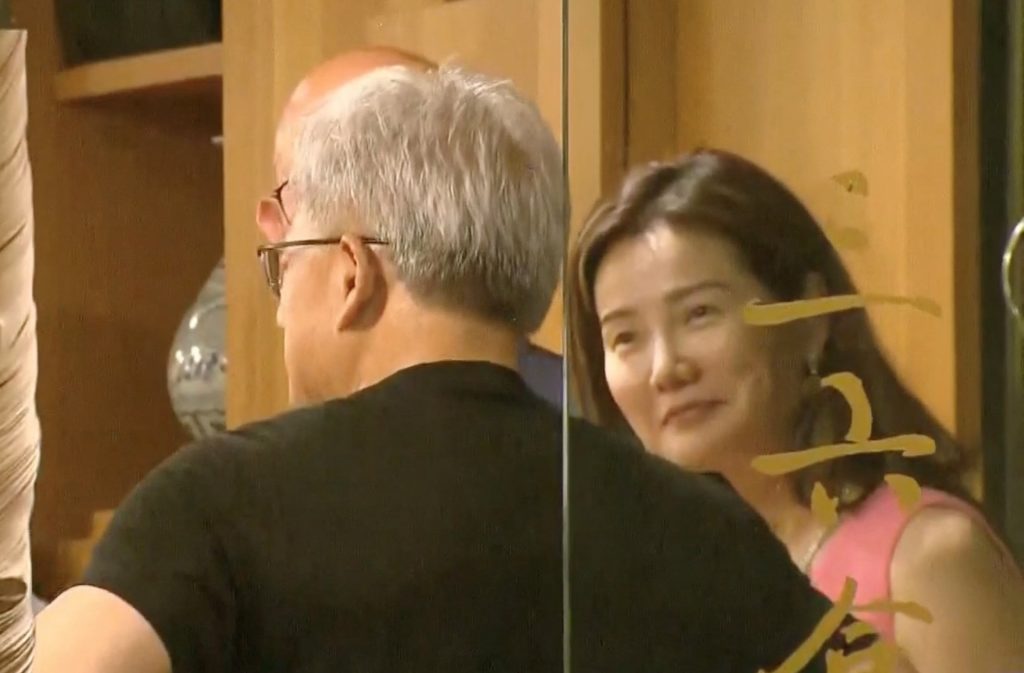
Chinese government officials have firmly rejected allegations that state actors attempted to recruit Nvidia Chief Executive Jensen Huang through a business associate, dismissing the claims as an unsubstantiated smear campaign against Beijing. The denial came during a routine news briefing on Monday, where Ministry of Foreign Affairs spokesperson Guo Jiakun stated that there was no evidence to support the suggestion that China used the woman in question for espionage purposes. This response follows reports from The New York Times indicating that U.S. intelligence agencies had determined the individual was gathering information for Chinese authorities.
The controversy centers on Huang’s admission of an extramarital affair with a business executive, which he addressed in an open letter posted on Nvidia’s corporate website. While Huang did not identify the woman by name, he apologized to his wife and the company, affirming his commitment to protecting Nvidia and supporting American national security. He expressed full cooperation with any ongoing investigations into whether confidential or strategically sensitive information was compromised during these interactions.
Nvidia announced on Sunday that it is conducting an independent investigation into reports suggesting Huang was the target of a foreign intelligence effort. The probe aims to determine if any proprietary data or strategic insights were exposed to external actors. Market reaction was immediate, with Nvidia shares dropping approximately five percent in pre-market trading early Monday as investors assessed the potential reputational and operational risks associated with the allegations.
The woman at the center of the dispute is identified by The New York Times as Alice Huang, a former executive of Megaspeed International, a Singapore-based data center company. Megaspeed’s website prominently features its partnership with Nvidia, raising questions about the nature of their business relationship and whether it facilitated unauthorized information transfer. The company faced previous allegations last year regarding the illicit shipping of advanced Nvidia computer chips into China, adding complexity to the current situation.
U.S. intelligence assessments reportedly concluded that Alice Huang was gathering information for Beijing, though specific details regarding the scope or content of this intelligence collection remain unclear. The timing of these revelations coincides with heightened scrutiny of semiconductor exports between the United States and China. Washington has implemented strict regulations limiting Beijing’s access to advanced computing technology, viewing such hardware as critical to national security and military modernization efforts.
Huang has been a vocal advocate for loosening U.S. export restrictions on chip sales to China, successfully lobbying President Donald Trump to approve the sale of H200 chips earlier this year. These processors, while not Nvidia’s most cutting-edge models, still represent advanced technology capable of supporting significant artificial intelligence development. It remains uncertain whether Chinese companies will be permitted to purchase these chips in large quantities given current regulatory frameworks.
In August, Nvidia disclosed in a regulatory filing that it had sold only a small volume of restricted chips to China due to limitations imposed by the Chinese government itself. This dynamic illustrates the complex interplay between U.S. export controls and Beijing’s own import restrictions. The H200 chips were designed to comply with American regulations while still offering substantial computational power, making them a focal point in ongoing trade negotiations.
Chinese state media have largely echoed the official government line, focusing on Huang’s admission of infidelity rather than the espionage allegations. Some outlets suggested that the New York Times report was intended to destabilize improving U.S.-China relations, characterizing it as an attack from shadowy interests seeking to undermine diplomatic progress. The Global Times, a state-owned publication, argued that such reports often emerge when bilateral relations show signs of improvement.
Experts note that the key questions surrounding this incident involve whether Huang was aware of any espionage activities and whether any sensitive information was compromised. George Chen, a partner at The Asia Group, emphasized that these issues require concrete evidence rather than speculation. As the independent investigation proceeds, stakeholders will be watching closely for findings that could impact Nvidia’s operational security protocols and its relationship with both U.S. regulators and Chinese partners.
The situation underscores the intense geopolitical pressures facing major technology firms operating in the global semiconductor market. With Nvidia ranking among the world’s most valuable publicly traded companies alongside Apple and Microsoft, any breach of trust or security protocol carries significant implications. The outcome of this investigation may influence future export policies and corporate governance standards for multinational tech enterprises navigating complex international landscapes.
Sources behind this briefing
Go to the original reporting
- PBS NewsHour↗China dismisses claims of spy plot involving Nvidia CEO Huang as a smear campaign


