The short version
- Chesley Sullenberger was inducted into the National Aviation Hall of Fame during a ceremony in Washington, D.C., joining a class that includes NASA astronauts and researchers.
- The honor comes shortly after the 75-year-old pilot publicly disclosed his diagnosis of Alzheimer’s disease, framing the condition as a challenge to public service rather than a personal failing.
- Sullenberger emphasized that his career extended far beyond the famous emergency landing, using the platform to encourage others affected by dementia to share their experiences openly.
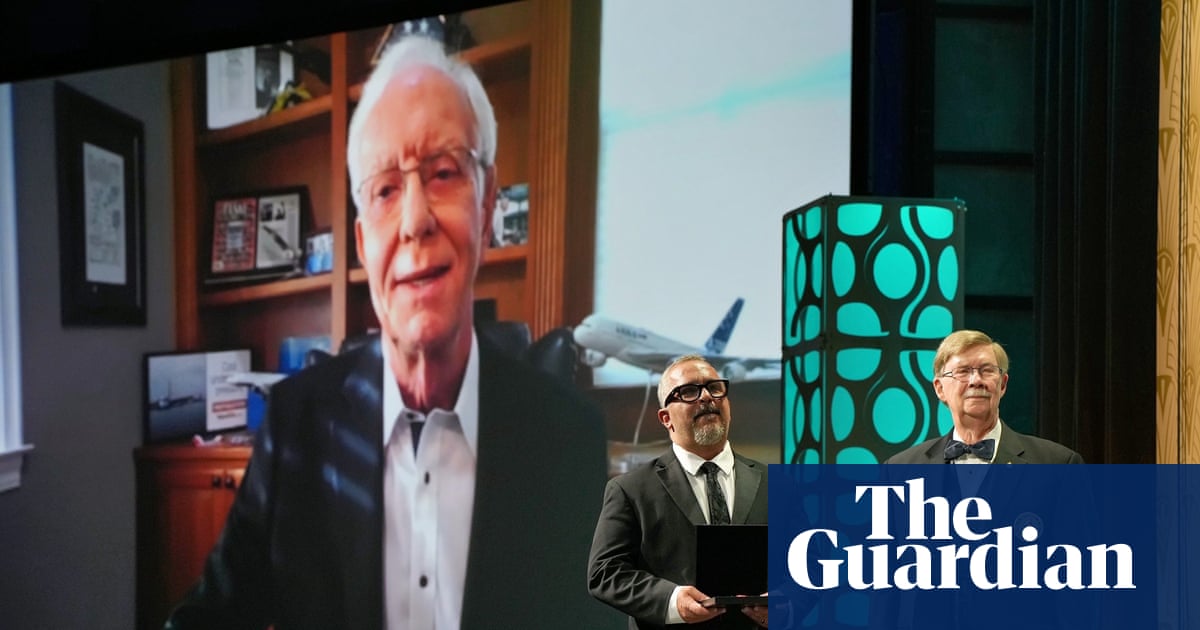
Chesley Sullenberger, the pilot widely recognized for safely landing a disabled passenger jet in New York City’s Hudson River seventeen years ago, has been inducted into the National Aviation Hall of Fame. The ceremony took place in Washington, D.C., on Thursday, marking a significant milestone in the career of the former US Airways captain. His enshrinement occurred just two months after he revealed to the public that he had been diagnosed with Alzheimer’s disease, adding a layer of personal vulnerability to the professional accolade.
Sullenberger participated in the induction remotely via video link. In his remarks, he congratulated the other members of the 2026 class, which included NASA astronauts and aviation researchers, and expressed gratitude for the honor. While acknowledging that the dramatic events of January 15, 2009, played a substantial role in his recognition, he insisted that his professional life encompassed much more than that single flight. He described a lifelong passion for flying that began at a young age, noting the fortune of spending his working years pursuing a dream he loved.
The emergency landing on Flight 1549 remains one of the most famous incidents in modern aviation history. The aircraft had departed LaGuardia Airport en route to Charlotte, North Carolina, carrying 150 passengers and five crew members. Shortly after takeoff, the plane struck a flock of birds, causing a total loss of thrust from both engines. Sullenberger determined that returning to LaGuardia was not feasible and instead executed a water landing in the Hudson River. His actions saved all lives on board, an event later dramatized in a film starring Tom Hanks.
Beyond the historical significance of the landing, Sullenberger’s recent public disclosure regarding his health has shifted the narrative surrounding his legacy. In July, he shared that receiving the diagnosis had altered his perspective on public service. He stated that this new phase of life challenged his understanding of how to be of service, concluding that speaking up was the most effective response. His goal in sharing his story is to help other families living with the disease feel empowered to step out of the shadows.
During an interview on ABC’s Good Morning America, Sullenberger described the emotional turmoil he experienced upon learning of his condition. He recounted feeling shock, anger, and confusion, asking himself why this had happened to him. Despite these initial reactions, he framed his current situation as part of a broader community effort to make the best of difficult circumstances. This approach aligns with his long-standing reputation for calm decision-making under pressure, now applied to personal health advocacy.
The prevalence of Alzheimer’s disease underscores the importance of such public discussions. According to figures from the Alzheimer’s Association, approximately 7.4 million people aged 65 or older in the United States are living with clinical Alzheimer’s dementia. The majority of these individuals, roughly three out of four, are 75 years of age or older. Sullenberger, who is 75, falls within this demographic, highlighting the widespread nature of the condition among his peer group.
Lorrie Sullenberger, his wife, joined him in advocating for greater openness about the disease. She emphasized that Alzheimer’s is a medical condition rather than a character flaw, urging society to talk about it more freely. Her comments supported her husband’s efforts to reduce stigma and encourage others to share their own experiences. This collaborative approach to advocacy reflects a shift from individual achievement to communal support.
The induction ceremony served as both a celebration of past achievements and a platform for future advocacy. By accepting the honor while openly discussing his health challenges, Sullenberger bridged the gap between his historic professional accomplishments and his current personal journey. The event highlighted how public figures can use their platforms to address serious health issues, potentially influencing public perception and encouraging earlier diagnosis and support for those affected by cognitive decline.
As the aviation community honors its pioneers, the inclusion of Sullenberger in the Hall of Fame class of 2026 stands as a testament to his enduring impact. His story continues to evolve, moving from tales of technical skill and emergency management to lessons on resilience and advocacy. The recognition reinforces the idea that a career’s value is not solely defined by its most famous moment but also by how individuals navigate subsequent challenges with integrity and openness.
Looking ahead, Sullenberger’s continued engagement with the public suggests that his role as an advocate will remain prominent. The combination of his historic legacy and his current health journey provides a unique perspective on aging and service in the aviation industry. As more details about his condition and advocacy work emerge, the focus may shift further toward the broader implications of Alzheimer’s disease for families and communities, extending the relevance of his story beyond the cockpit.
Sources behind this briefing
Go to the original reporting
- The Guardian US↗‘Miracle on the Hudson’ pilot Chesly Sullenberger inducted into US Aviation Hall of Fame

