The short version
- Switching from gas to induction cooking can lower kitchen temperatures by up to ten degrees Celsius, addressing dangerous heat conditions exacerbated by recent summer heatwaves.
- Restaurants report significant financial benefits, including reduced energy bills and cleaning times, with some establishments seeing payback periods of three years or less.
- While many chefs initially resist the change due to traditional cooking methods, early adopters note that electric systems can achieve necessary high temperatures while eliminating harmful pollutants and noise.
Restaurant kitchens across the United Kingdom are undergoing a significant technological shift as chefs increasingly replace gas hobs with electric induction cooktops. This transition is driven by a combination of rising energy costs, extreme summer heatwaves that have made working conditions hazardous, and growing concerns about indoor air quality. While the culinary industry has long been associated with open flames and high-heat searing, a new wave of operators is finding that electrification offers practical advantages that extend beyond mere compliance with environmental trends.
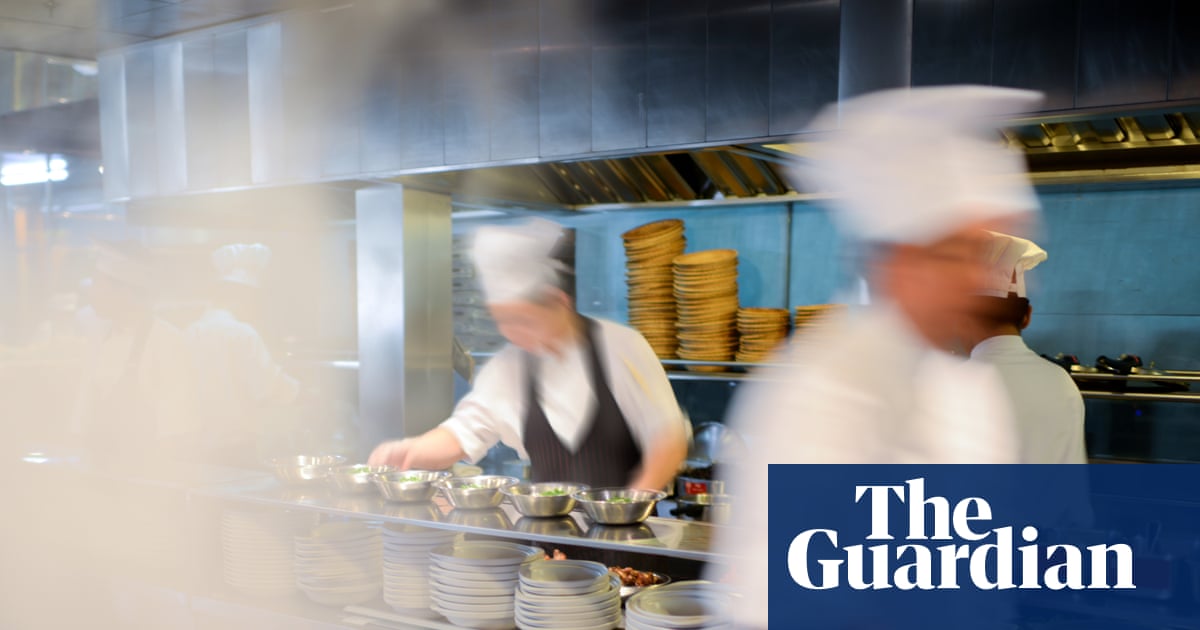
The urgency for change has been underscored by recent severe weather events. During successive heatwaves this summer, some dining establishments were forced to close or reduce operating hours to protect staff from dangerous temperatures. Despite calls from labor organizations for a maximum working temperature limit, tens of thousands of kitchen workers continued to operate in what have been described as furnace-like environments. Induction technology addresses this by heating only the cookware rather than the surrounding air, potentially reducing ambient kitchen temperatures by up to ten degrees Celsius. This cooling effect allows air conditioning systems to function more efficiently and reduces the strain on refrigeration units.
Financial incentives are also playing a crucial role in accelerating adoption. A report from the Global Cooksafe Coalition indicates that restaurants can save thousands of pounds annually on energy bills after switching. One gastropub, for example, reduced its energy consumption by nearly two-thirds, resulting in savings of approximately £9,000 per year. The initial cost of retrofitting was projected to be recouped within three years, with potential long-term savings reaching £65,000 over a decade. Additionally, operational efficiencies have improved; one Australian owner reported that cleaning time dropped from twenty-four minutes for gas surfaces to just twenty-one seconds for induction, translating to substantial wage savings.
Beyond cost and comfort, health and safety considerations are influencing decisions. Gas cookers emit pollutants that have been linked to respiratory issues such as asthma, a concern highlighted by chefs who prioritize staff well-being. Induction hobs eliminate these emissions entirely. Furthermore, the physical labor involved in maintaining gas equipment is considerable. Chefs have noted that scrubbing burnt-on residue from gas burners often leads to burns and injuries, whereas induction surfaces are smoother and easier to clean. The reliability of electric systems also reduces downtime associated with gas line repairs or maintenance issues.
Despite these benefits, cultural resistance remains a barrier. Many chefs view the visual drama of fire and flames as integral to the culinary experience and tradition. Jeremy Pang, a third-generation Chinese chef in London, acknowledged this sentiment but noted that his restaurant successfully transitioned without compromising food quality. He emphasized that induction units can reach temperatures between 350 and 400 degrees Celsius, sufficient to achieve 'wok hei,' the distinct smoky flavor associated with high-heat stir-frying. By using carbon steel pans and oil, chefs can replicate the desired smoke and flavor profiles previously thought exclusive to gas burners.
The acoustic environment of the kitchen also changes significantly with electrification. Turbo gas burners generate considerable noise, often requiring staff to shout to communicate over the din. Ellen Chew, founder of a London restaurant, described the shift to induction as transformative for workplace atmosphere, noting that kitchens become markedly quieter. This reduction in noise pollution contributes to a calmer work environment, which has been observed by diners seated at chef’s tables. The improved ambiance and operational efficiency have earned some establishments recognition, including Michelin Green Stars for sustainability efforts.
Proponents of electrification argue that policy support could further accelerate the transition. Camilla Born, chief executive of Electrify Britain, has called for government action to reduce electricity costs for businesses by removing certain levies and policy charges. While recent measures have addressed business rates, advocates suggest that making electricity more affordable would encourage wider adoption across the hospitality sector. As more restaurants demonstrate the viability of induction cooking, the industry may see a gradual but steady move away from gas, balancing tradition with modern demands for safety, efficiency, and environmental responsibility.
The shift represents a broader reevaluation of kitchen infrastructure in response to climate challenges and economic pressures. While not every establishment has made the switch, the growing number of success stories provides a compelling case for electrification. Chefs who were once skeptical are finding that electric systems offer precise control, reduced physical strain, and significant cost savings. As heatwaves become more frequent and energy prices remain volatile, the practical benefits of induction cooking may outweigh the nostalgic appeal of gas flames, reshaping the future of professional kitchens.
Sources behind this briefing
Go to the original reporting
- The Guardian World↗The chefs turning down the heat by switching from gas to electric

