The short version
- Hundreds of people stormed a new kebab shop in Dortmund during its opening, leading to clashes with law enforcement.
- Officers were attacked with various projectiles after private security failed to control the crowd seeking discounted meals.
- The incident underscores how rising food costs have made affordable fast food a flashpoint for public frustration.
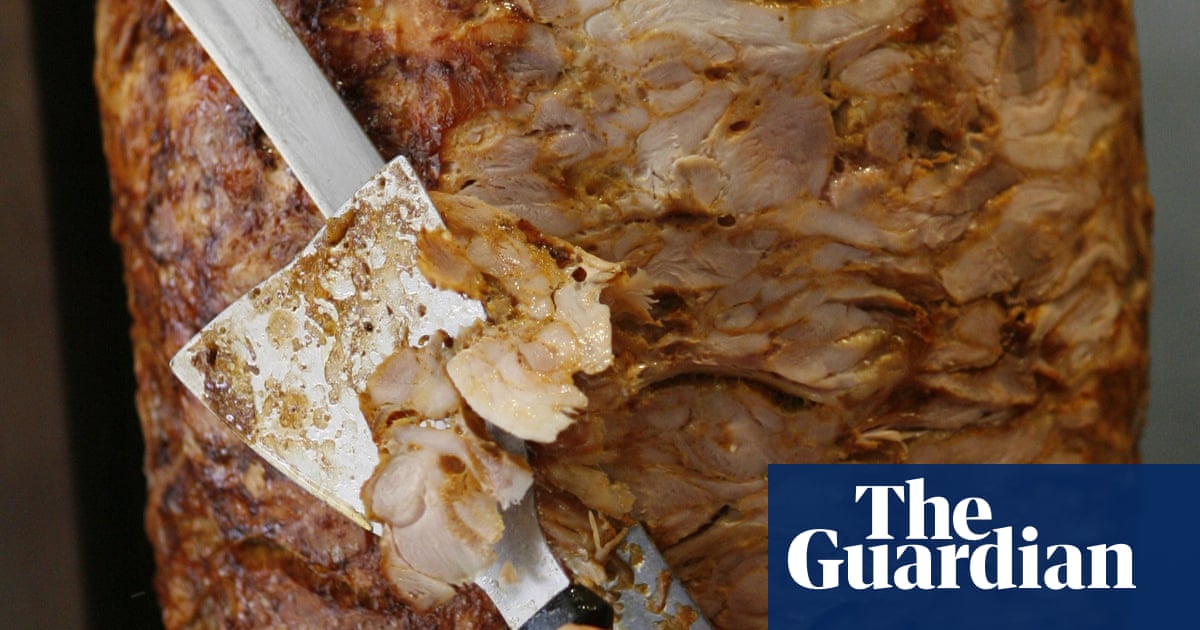
A promotional opening at a fast-food establishment in Dortmund, western Germany, escalated into significant disorder on Sunday when a large crowd overwhelmed the premises. The incident began as an attempt by customers to secure a limited-time introductory offer for a doner kebab priced at one euro. This price point represents a stark contrast to current market rates, where the average cost typically ranges between seven and nine euros. The disparity has turned the popular street food into a visible indicator of inflationary pressures affecting everyday consumers.
The shop owner had advertised the special rate in advance, anticipating high interest but reportedly underestimating the scale of the response. Estimates regarding the size of the gathering vary significantly. The proprietor stated that approximately one thousand individuals were present at the scene. In contrast, law enforcement officials placed the number of participants closer to three hundred. Regardless of the exact count, the volume of people quickly exceeded the capacity of the private security guards hired to manage the event.
As the situation deteriorated, the owner contacted local authorities for assistance. Police arrival did not immediately restore order; instead, officers became targets of aggression from within the crowd. A spokesperson for the Dortmund police reported that responders were pelted with a variety of objects, including bottles, stones, fireworks, an electric scooter, and even a chair. The severity of the assault prompted the deployment of reinforcements, bringing the total number of officers on site to roughly one hundred, supported by aerial surveillance via helicopter.
Local police leadership has condemned the violence in strong terms. Tim Frommeyer, the head of Dortmund’s police force, issued a statement rejecting any characterization of the perpetrators as merely adventurous youths or minor troublemakers. He described the actions as criminal behavior and suggested that some participants may have intended to attack law enforcement from the outset. Frommeyer linked this incident to a broader pattern of unrest observed at recent rallies and demonstrations across the region.
The aftermath included several arrests and potential legal consequences for those involved. One individual was detained after being found in possession of a blank-firing pistol. Numerous others face charges related to breaching the peace, causing property damage, and insulting public officials. The shop owner has indicated that he will donate any remaining food inventory to a local charity supporting homeless individuals. Authorities have not yet determined whether the proprietor will face any legal scrutiny regarding his role in organizing the event.
The economic context of the incident highlights deeper societal shifts in Germany. Until around 2020, doner kebabs were generally priced between three and four euros. The subsequent steep increase is largely attributed to rising energy and food production costs. This inflation has transformed a staple meal, consumed more than 1.3 billion times annually, into a symbol of financial strain for many households. The dramatic price gap likely fueled the intense demand for the discounted offer.
Beyond the immediate economic factors, the doner kebab holds cultural significance as an immigrant success story in Germany. Adapted by Turkish guest workers in West Berlin more than five decades ago, it has become a ubiquitous part of the national culinary landscape. However, recent years have seen diplomatic friction regarding its classification. Two years ago, a dispute arose when Istanbul sought European recognition for the term as a guaranteed traditional specialty.
German officials opposed the application, arguing that strict production standards would create bureaucratic hurdles and further drive up prices. Concerns were raised about regulations governing meat sourcing, spice blends, and even cutting tools. The International Döner Federation based in Istanbul eventually withdrew its application last autumn. While this regulatory battle has paused, the recent violence in Dortmund illustrates how economic anxiety can quickly manifest in public disorder when affordable essentials become scarce or perceived as inaccessible.
Sources behind this briefing
Go to the original reporting
- The Guardian World↗Dortmund police attacked as crowd storms kebab shop for €1 doner


