The short version
- Celtic lost their Champions League play-off tie to LASK despite holding a commanding four-goal advantage from the first leg.
- Manager Martin O'Neill admitted the team was far from ready for elite European competition and accepted blame for the defeat.
- The loss forces Celtic into the Europa League qualifiers and eliminates potential transfer revenue that would have aided squad rebuilding.
Celtic’s campaign in the Champions League play-offs ended in dramatic fashion on Tuesday night, as the Scottish champions surrendered a four-goal aggregate lead to lose 5-4 against LASK. The defeat at the Raiffeisen Arena marked one of the most significant setbacks in the club’s recent European history, surpassing even the penalty shootout loss to Kairat Almaty the previous year. What began as a comfortable position turned into a chaotic second half where Celtic appeared unable to contain their opponents or mount a coherent defensive response.
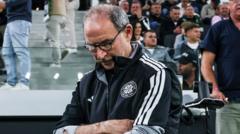
Martin O'Neill, the manager tasked with guiding the team through this critical phase, offered no excuses in the immediate aftermath. He acknowledged that the squad is significantly distant from being a finished product capable of competing at the highest level. Comparing the situation to his own past disappointment in the 2003 UEFA Cup final, O'Neill emphasized that while that was a final worth winning, this was a qualifying match that should have been secured. His frank admission highlighted the severity of the collapse and the personal weight he carries for the result.
The implications of this loss extend far beyond pride or sporting disappointment. Qualification for the Champions League group stage carries substantial financial benefits and prestige, both of which are now out of reach. O'Neill noted that the absence of Champions League football will likely deter potential transfer targets who might have been attracted by the prospect of playing in Europe’s premier competition. The club must now navigate the remainder of the transfer window without the influx of funds that a successful qualification would have provided, complicating efforts to strengthen the roster.
Captain Callum McGregor echoed the manager’s sentiments, stating that the team received what they deserved for their performance. He described the side as passive and fearful throughout the match, failing to impose themselves on the game even after taking an early lead in the second leg. McGregor emphasized that there are no external excuses to be made, placing the burden squarely on the players’ shoulders. His comments underscored a sense of collective accountability and the need for the squad to demonstrate resilience in the face of such a stark failure.
Former club figures provided additional perspective on the nature of the defeat. Scott Brown, a former captain, noted that while the start was promising, the subsequent collapse was inevitable given the team’s inability to maintain control. He acknowledged LASK’s superior physicality and willingness in key areas, suggesting they deserved their progression. Neil Lennon, a former manager, described Celtic as looking exhausted and fragile in duels, indicating that LASK dominated both physically and tactically. Stiliyan Petrov, another former midfielder, pointed to a shared responsibility across the entire organization for failing to protect such a significant advantage.
The collapse has reignited questions about whether the current squad possesses the depth and quality required for sustained success in domestic and European competitions. O'Neill had previously stabilized the team after previous managerial exits, guiding them to league and cup titles last season. However, this performance suggests that those achievements may not have been built on a foundation robust enough for higher stakes challenges. The fragility displayed against LASK indicates underlying issues that cannot be ignored as the season progresses.
Looking ahead, Celtic must now shift their focus to the Europa League qualifiers and the domestic league campaign. The psychological impact of such a heavy defeat will require careful management from O'Neill and his staff. Rebuilding confidence and addressing the tactical vulnerabilities exposed in Austria will be paramount. The club faces a difficult period where they must prove their character and ability to bounce back, as McGregor suggested is part of Celtic’s identity.
Financial constraints loom large over the coming months. Without the substantial revenue from Champions League participation, the club’s ability to attract top-tier talent will be severely limited. This financial reality adds pressure on O'Neill to maximize the potential of existing players and make shrewd decisions in the transfer market. The collapse serves as a harsh reminder of the gap between Celtic and Europe’s elite, setting a challenging tone for the rest of the season.
As the dust settles on this disastrous evening, the narrative shifts from celebration to introspection. The team must confront the reality that their current form is insufficient for European ambitions. O'Neill’s leadership will be tested as he works to restore faith among supporters and players alike. The path forward requires not just tactical adjustments but a fundamental reassessment of the squad’s readiness for high-pressure environments.
In summary, Celtic’s defeat to LASK represents more than just a loss; it is a wake-up call for an organization accustomed to dominance in Scotland but struggling on the continental stage. The combination of financial setbacks, managerial accountability, and player performance issues creates a complex challenge. How the club responds in the coming weeks will define its trajectory for the remainder of the season and beyond.
Sources behind this briefing
Go to the original reporting
- BBC News↗O'Neill takes responsibility with nowhere to hide for Celtic

