The short version
- Dallas McInerney, chief executive of Catholic Schools NSW, denied intentionally deleting evidence during testimony before the Independent Commission Against Corruption.
- Investigators allege the device reset occurred after McInerney was asked to produce messages concerning political donations and factional meetings.
- McInerney attributed the data loss to a security warning from his bank regarding a compromised account, providing a case file number to support his claim.
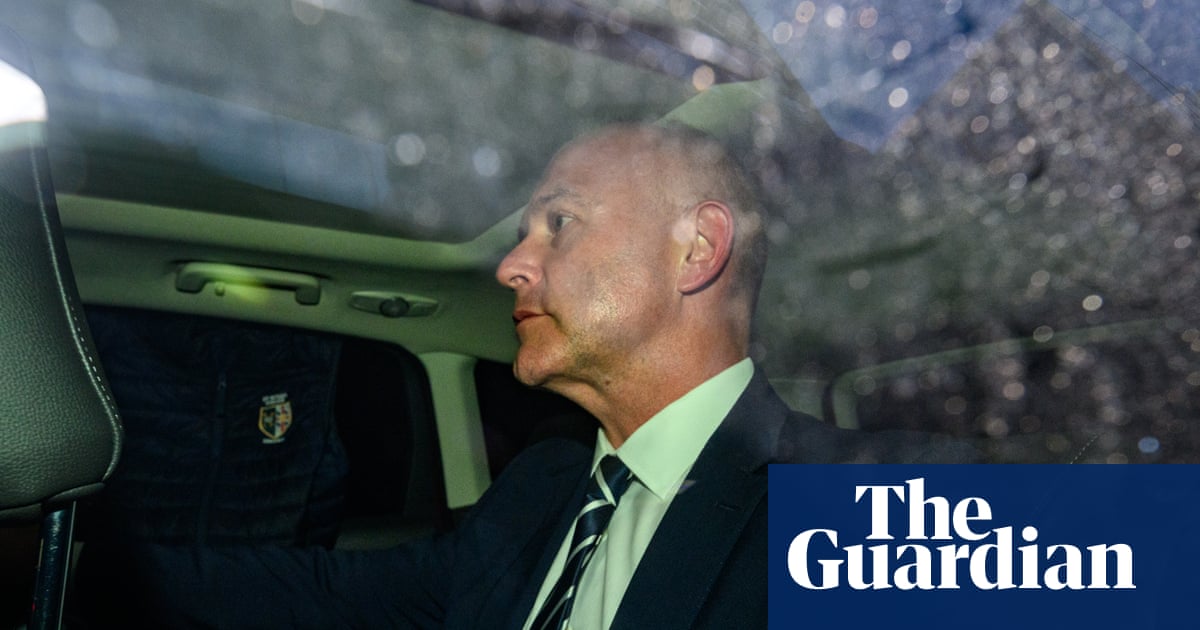
The chief executive of Catholic Schools NSW has denied allegations that he deliberately erased digital evidence relevant to an ongoing corruption investigation. Dallas McInerney appeared before the Independent Commission Against Corruption on Wednesday, where he addressed questions regarding a factory reset performed on his work phone and iPad over the preceding weekend. The inquiry focuses on allegations of improper conduct involving political donations and factional activities within the New South Wales Liberal Party.
Counsel assisting Dr Peggy Dwyer SC suggested that the timing of the device reset was suspicious, characterizing it as a transparent attempt to remove critical information from the commission’s reach. McInerney had previously provided messages exchanged with Jean-Claude Perrottet in 2021 but faced scrutiny when asked about communications with other individuals associated with the Reformer faction. Dwyer argued that the reset wiped data that would have been essential for understanding the scope of alleged corruption.
McInerney rejected the suggestion that he acted to obstruct the investigation. He stated that the decision to reset his devices was prompted by a security alert from National Australia Bank, which informed him that his account had been compromised by an unknown merchant. He emphasized that he possesses a case file number related to this banking incident and offered to share it with the commission to substantiate his claim of a legitimate security concern.
The executive explained that he performed the reset on both his phone and an iPad, which remained in his possession before being surrendered to Catholic Schools NSW. He noted that he realized he was unlikely to return to the organization, implying that the reset was part of standard procedure for securing personal data rather than a targeted effort to hide specific communications. McInerney pointed out that the inquiry had been ongoing for several weeks, arguing that if he intended to commit malfeasance, he would have had ample opportunity to do so earlier.
Testimony also covered McInerney’s interactions with Christian Ellis and Jeremy Greenwood, who operated the lobbying firm Beckington. The commission heard that Ellis and Greenwood were involved in fundraising efforts for an organization linked to federal Liberal Party member Angus Taylor. Messages between McInerney and Ellis from 2020 revealed discussions about arranging a meeting between Ellis and Taylor, who was serving as federal energy minister at the time.
Ellis had initially requested assistance in securing the meeting, describing his persistence as pestering. McInerney responded by acknowledging that such pressure is often necessary to achieve results, stating he was actively pursuing Taylor for the arrangement. The exchange included Ellis thanking McInerney and referring to him as a legend after the meeting was secured. Dwyer suggested these communications indicated success in Ellis’s efforts to discuss his factional position with Taylor.
McInerney accepted that the messages demonstrated his role in facilitating the meeting but maintained that the discussion was anchored in a presentation on the hydrogen industry. He expressed uncertainty about whether the meeting related to other clients of Ellis or specific funding arrangements for the Reformers. When asked about an email referencing Dallas sorting out dollar arrangements with Angus Taylor, McInerney acknowledged the reference to Taylor but denied recalling any such discussions with Ellis.
The inquiry highlighted connections between Beckington and fundraising activities in Taylor’s seat of Hume. An organization described as the Hume Foundation or Hume Forum was identified as raising funds for Taylor and the Liberal Party. McInerney rejected suggestions that support for these fundraising efforts was provided through the retainer Catholic Schools NSW held with Beckington. He maintained that his involvement was limited to professional lobbying duties.
Angus Taylor is not named in the commission’s allegations and has consistently denied making payments to the Reformers. He has declined to provide commentary on the investigation or answer questions regarding his knowledge of the group’s activities. The commission continues to examine the extent of financial flows and political coordination between lobbying firms, educational institutions, and political factions.
The proceedings underscore the complexities of tracing informal political networks and the challenges investigators face when digital evidence is altered or removed. McInerney’s defense relies on the legitimacy of his banking security concerns, while the commission seeks to determine whether the data loss impacted its ability to assess potential corruption. Further testimony and document reviews are expected as the inquiry progresses.
Sources behind this briefing
Go to the original reporting
- The Guardian World↗Catholic schools chief denies wiping critical evidence after performing factory reset on phone, Icac hears

