The short version
- Senator Bill Cassidy labeled President Trump’s proposal to replace combined MMR vaccines with six individual shots as dangerous and costly for families.
- The CDC website has been altered under Robert F. Kennedy Jr.’s leadership to cast doubt on the scientific consensus that vaccines do not cause autism.
- Cassidy faces criticism for supporting these appointments despite his medical background and previous votes against Trump in impeachment proceedings.
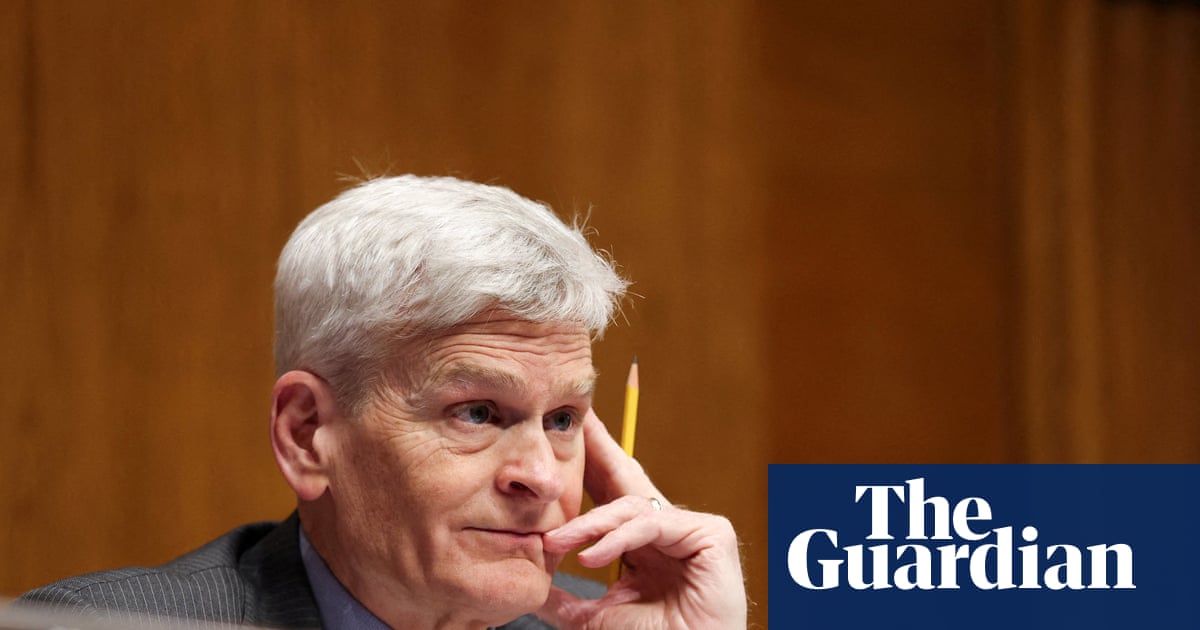
Outgoing Louisiana Senator Bill Cassidy has publicly rebuked President Donald Trump’s recent directives regarding childhood vaccination protocols, describing the administration’s stance as fundamentally flawed. The former physician, who recently lost his re-election bid to a candidate endorsed by Trump, characterized the president’s claims about the safety of the combined measles, mumps, and rubella vaccine as both irrational and harmful. Cassidy argued that these statements actively undermine public confidence in immunization programs, a concern that has intensified since the confirmation of Robert F. Kennedy Jr. as health secretary earlier this year.
The controversy centers on Trump’s call to eliminate the standard two-dose MMR regimen in favor of administering three separate vaccines for each disease. The president has likened the combined shot to a nuclear weapon, suggesting it poses lethal risks that individual doses would avoid. Cassidy dismissed this comparison during a recent television interview, noting that the logistical and financial burdens of such a change would be significant. He pointed out that parents would need to visit doctors six times instead of two, resulting in more injections for children and higher costs for insurance providers, which could ultimately drive up premiums.
Cassidy’s criticism comes at a time when his political standing is complex. Although he voted to confirm Kennedy as health secretary, acknowledging the strong opposition from pediatricians who rely on established medical training, he has maintained that he secured assurances regarding scientific integrity. Specifically, Cassidy stated that Kennedy promised the Centers for Disease Control and Prevention would not remove statements affirming that vaccines do not cause autism. However, subsequent changes to the CDC website suggest that these assurances have not been upheld in practice.
Under Kennedy’s leadership, the CDC’s online guidance on autism and vaccines has been modified to introduce ambiguity where none previously existed. The page formerly titled “Vaccines do not cause Autism” now includes an asterisk linking to a footnote stating that the root causes of autism remain unknown. Additionally, new text at the top of the page presents two key points that challenge the established scientific consensus. One point asserts that the claim of no link is not evidence-based because studies have not definitively ruled out a possibility, while another suggests that research supporting a link has been ignored by health authorities.
These alterations to federal health information have drawn sharp criticism from medical professionals who view them as capitulations to discredited theories. The changes appear designed to appease vaccine skeptics and conspiracy theorists, potentially confusing parents seeking reliable health advice. Cassidy emphasized that Trump’s commentary does nothing to address the origins of the false link between vaccines and autism, which stems from a single paper that was ultimately retracted due to fraud and methodological errors. Instead, the current administration’s approach risks reviving myths that have been thoroughly debunked by decades of rigorous scientific study.
The senator’s position has placed him under scrutiny from various political factions. Critics argue that his willingness to confirm Trump’s nominees, including Kennedy and former criminal defense attorney Todd Blanche as attorney general, contradicts his public expressions of concern over policy directions. Cassidy cast the decisive vote for Blanche in early August, a move that some view as inconsistent with his earlier stance against Trump during the 2021 impeachment proceedings related to the Capitol attack. This tension highlights the difficult balancing act faced by lawmakers who must navigate party loyalty while addressing substantive policy disagreements.
The broader implications of these changes extend beyond immediate political maneuvering. By altering official health guidance and promoting unproven theories about vaccine safety, the administration risks eroding trust in public health institutions. Parents may become hesitant to vaccinate their children if they encounter conflicting information from government sources. This hesitation could lead to decreased vaccination rates, increasing the vulnerability of communities to preventable diseases such as measles and mumps. The potential for outbreaks poses a serious threat to public health, particularly among young children who are most susceptible to these illnesses.
As the debate continues, the focus remains on the intersection of politics and public health policy. Cassidy’s condemnation underscores the growing divide between scientific consensus and political rhetoric. While he acknowledges the challenges of combating misinformation, his insistence on the importance of evidence-based medicine serves as a reminder of the stakes involved. The coming months will likely see further developments in how these policies are implemented and their impact on vaccination rates across the country. Observers will be watching closely to determine whether these changes lead to measurable declines in immunization coverage or if public trust in healthcare providers can withstand the pressure.
The situation also raises questions about the role of federal agencies in maintaining scientific integrity during periods of political transition. The CDC’s historical role as a trusted source of health information has been compromised by recent edits that introduce doubt into well-established findings. Restoring confidence in these institutions will require clear communication and a commitment to transparency. Until then, families and healthcare providers may find themselves navigating an increasingly confusing landscape where political agendas appear to influence medical advice.
In summary, the clash between Senator Cassidy and President Trump over vaccine policy reflects deeper tensions within American politics regarding science, authority, and public trust. The changes to the CDC website and the proposed alterations to vaccination schedules represent significant departures from standard medical practice. As these policies take effect, their consequences will be felt by millions of families, making it crucial for policymakers to prioritize evidence-based decision-making over ideological considerations.
Sources behind this briefing
Go to the original reporting
- The Guardian World↗Republican senator denounces Trump’s ‘crazy, stupid’ claims about MMR vaccine safety

