The short version
- Canada will impose duties on $20 billion of American goods starting September 8, matching the scale of recent US tariffs on Canadian products.
- Prime Minister Mark Carney criticized US officials for using insults and memes, stating such behavior undermines serious diplomatic engagement.
- US Trade Representative Jamieson Greer downplayed the impact of the dispute, suggesting Canada is more vulnerable and that negotiations have effectively ended.
Trade relations between the United States and Canada have deteriorated sharply following the collapse of recent negotiations, setting the stage for immediate economic retaliation. Canada has announced it will impose tariffs on $20 billion worth of American goods beginning on September 8. This move mirrors the scale of duties recently levied by Washington on Canadian exports, marking a significant escalation in tensions between the two neighboring economies.
The decision to retaliate comes after weeks of failed dialogue and increasing public friction between government officials in Ottawa and Washington. Prime Minister Mark Carney has publicly rebuked the administration of President Donald Trump, urging US leaders to abandon what he described as immature political posturing. Carney stated that American officials need to stop engaging in online mockery and personal insults if they wish to engage in meaningful trade discussions.
Carney characterized the recent behavior of US officials as beneath their office, suggesting that the current atmosphere prevents constructive negotiation. He emphasized that serious talks could only resume once Washington ceased its attempts to project toughness through social media memes and derogatory remarks. The Canadian leader framed this shift in tone as a prerequisite for any future diplomatic engagement regarding trade policy.
In contrast, US Trade Representative Jamieson Greer has downplayed the severity of the situation, arguing that Canada faces greater economic vulnerability than the United States. Greer told Politico that there are currently no active negotiations on trade, indicating a complete breakdown in communication channels. He suggested that the dispute is more of an emergency for Canadian officials, implying that Washington holds the stronger position in this standoff.
Greer attributed the failure of talks to what he described as unacceptable demands from Canada, specifically citing requests for lighter taxes on heavy-duty trucks. He argued that these issues torpedoed the negotiations and suggested that if Canada believes banning American goods is appropriate, the US should consider similar measures. This perspective highlights a fundamental disagreement over which side bears responsibility for the impasse.
Canadian officials offer a different explanation for the collapse, pointing to internal disagreements within the White House regarding who was directing trade talks. Carney noted that American negotiators appeared to view the French language in Canada as an irritant, a stance he rejected by affirming that linguistic rights are protected in Quebec. This cultural friction appears to have compounded the economic disputes, further straining diplomatic relations.
President Trump has continued to criticize Canada, arguing that the country seeks the benefits of statehood without accepting the responsibilities. He claimed that Canadian tariffs on American farmers had been excessive and promised an end to such practices. These comments reflect a broader narrative in Washington that frames Canada as taking advantage of its relationship with the US, despite the two nations being major trading partners.
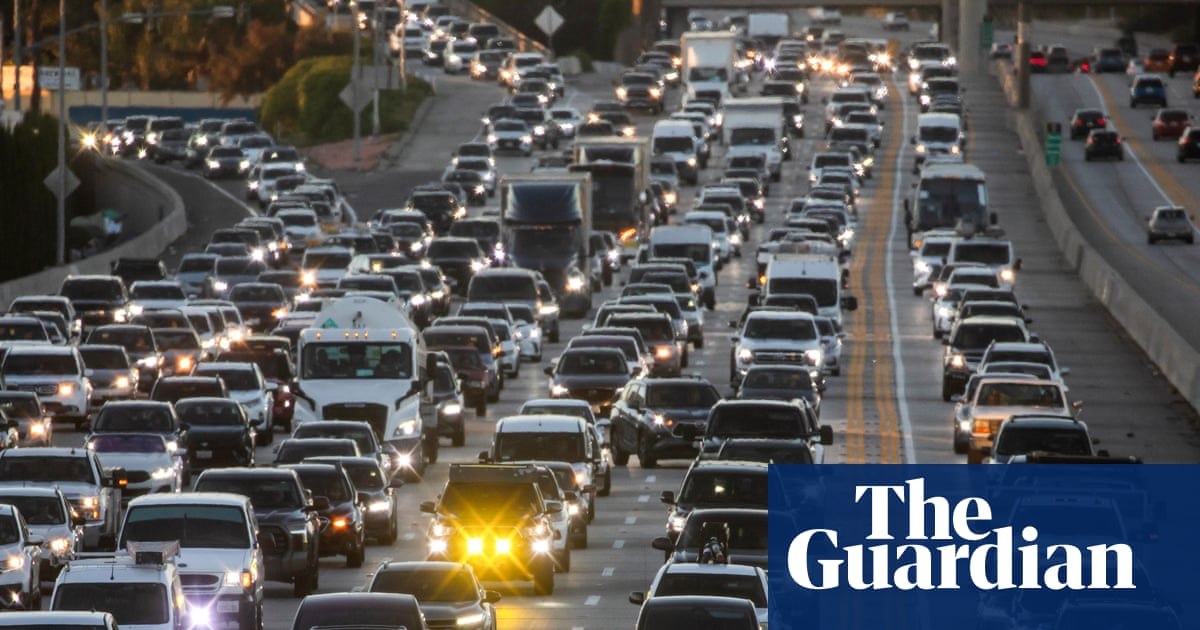
The immediate impact of these measures will be felt by consumers and businesses on both sides of the border. With $20 billion in goods targeted by retaliatory duties, everyday items are likely to see price increases or supply chain disruptions. The timing of the September 8 implementation date leaves little room for last-minute diplomatic breakthroughs before the new tariffs take effect.
Looking ahead, the path to resolution remains unclear. Greer suggested that the breakdown may have stemmed from misunderstandings about what was negotiable, questioning whether the issues were political or economic in nature. However, he also noted that the choice was not between current tariffs and duty-free trade, implying that some level of friction is inevitable. The coming weeks will test whether either side is willing to de-escalate.
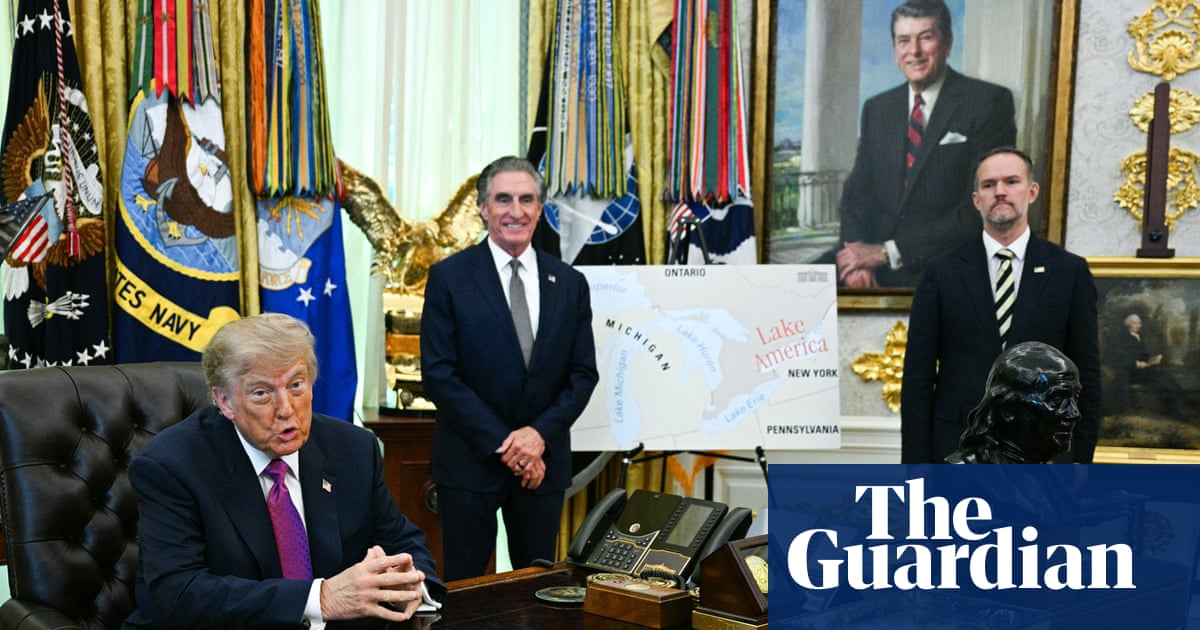
The renaming of Lake Ontario to Lake America via executive order has further inflamed tensions, with Canadian officials rejecting the move as an overreach. This symbolic gesture underscores the broader disconnect between the two governments, where political symbolism appears to be taking precedence over economic pragmatism. As both nations prepare for the financial impact of these tariffs, the diplomatic rift shows no signs of healing in the short term.
Sources behind this briefing
Go to the original reporting
- The Guardian US Politics↗Mark Carney rebukes Trump officials, urging US to ‘start being serious’ amid escalating trade war